A Space for curious minds who believe life keeps expanding.
A Space for curious minds who believe life keeps expanding.
Beyond Belfast: Hidden Places, Local Stories and a Day I Didn’t Expect
31 October 2024
I have visited Belfast a few times before — most recently during my British Isles cruise, where I met Bert, who showed me around some of the city’s highlights. This time was different.
Bert — my daughter’s husband’s father (we never quite worked out the official title!) — suggested we explore places that were equally important, but far less well known. Even better, he offered to be our local guide for the day.
And what a day it turned out to be.
Spelga Dam and the Mourne Mountains
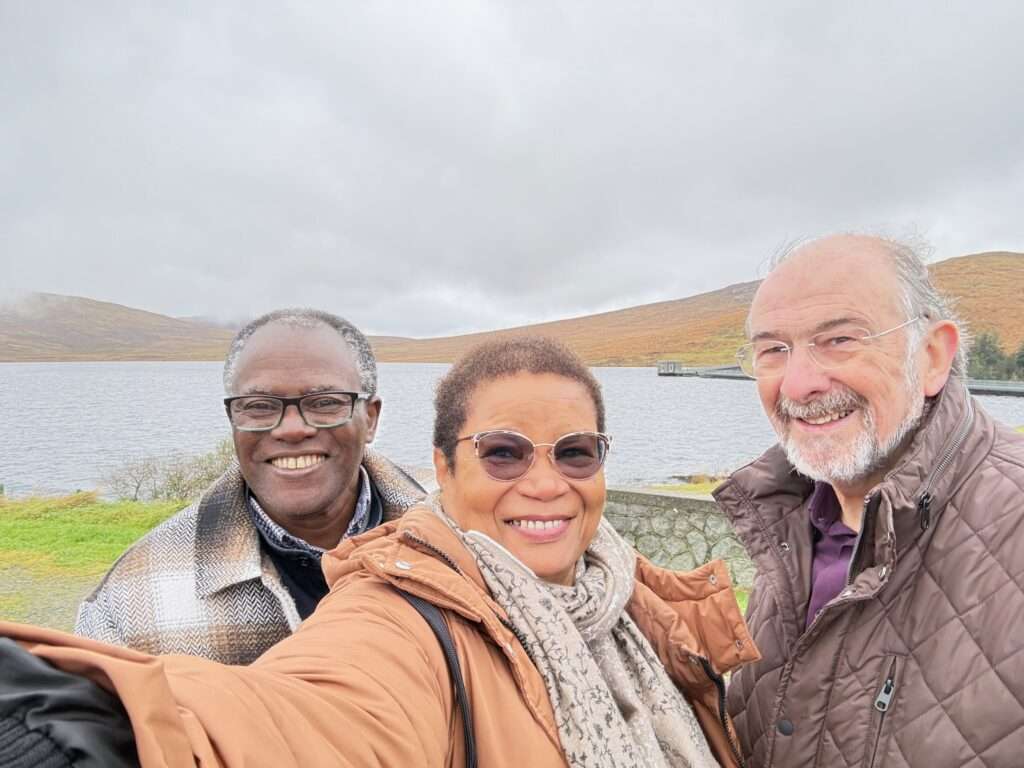
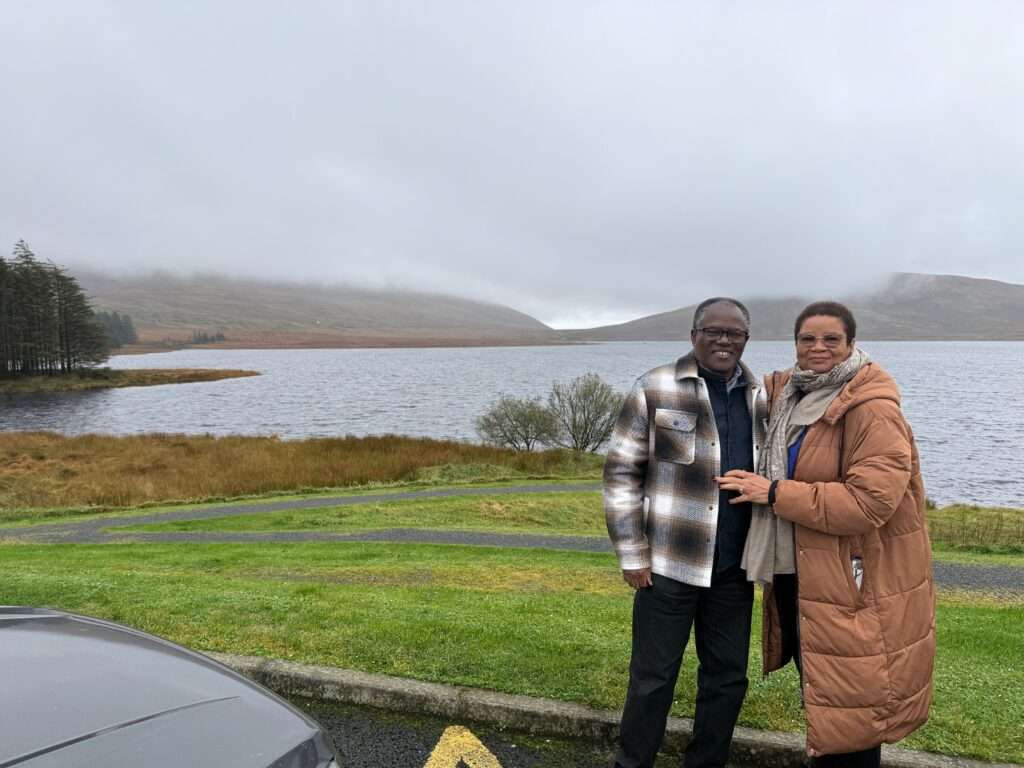
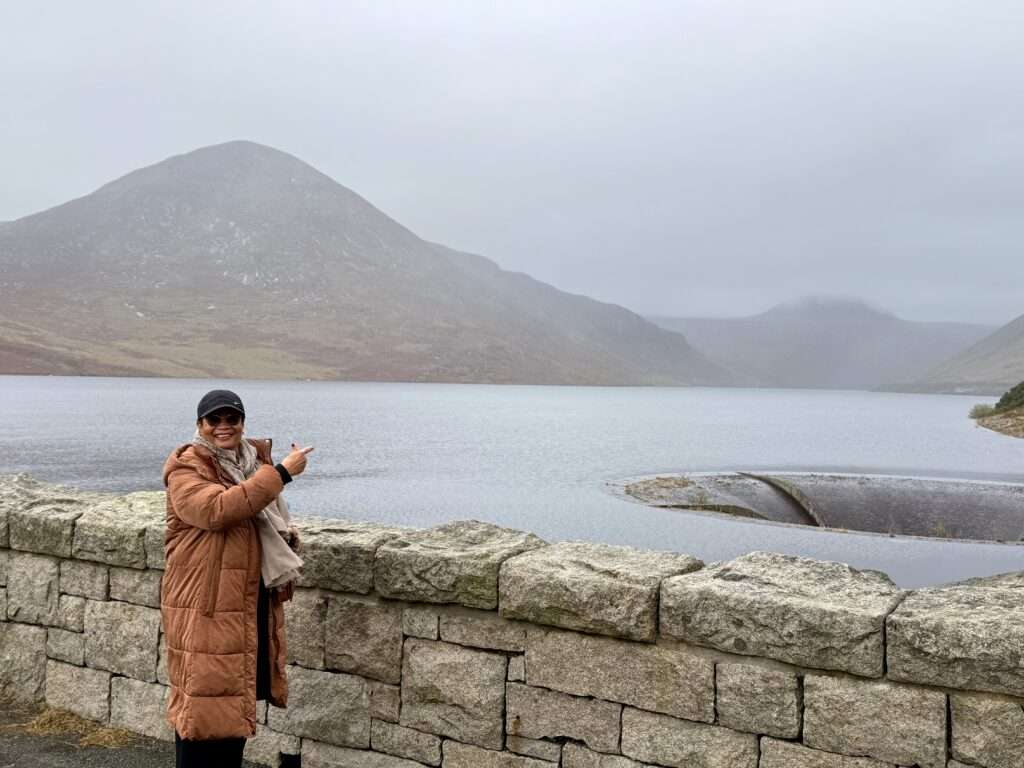
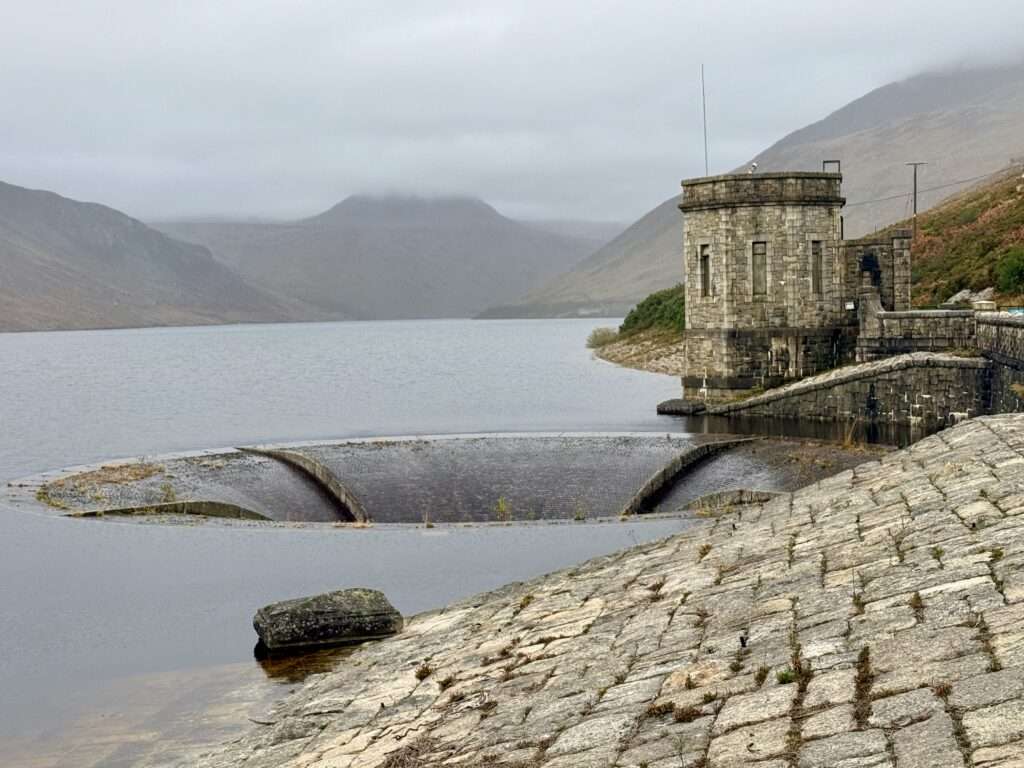
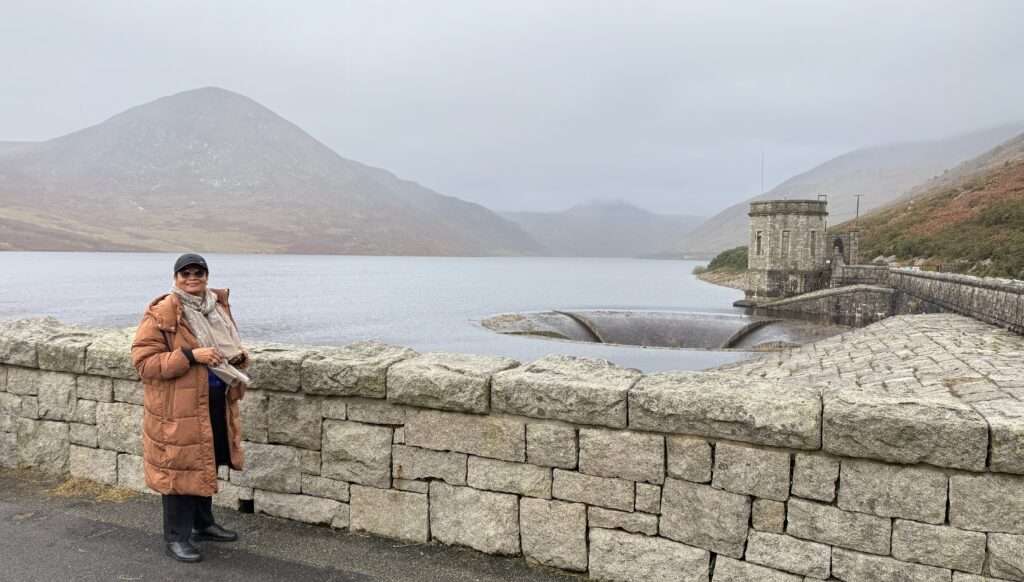
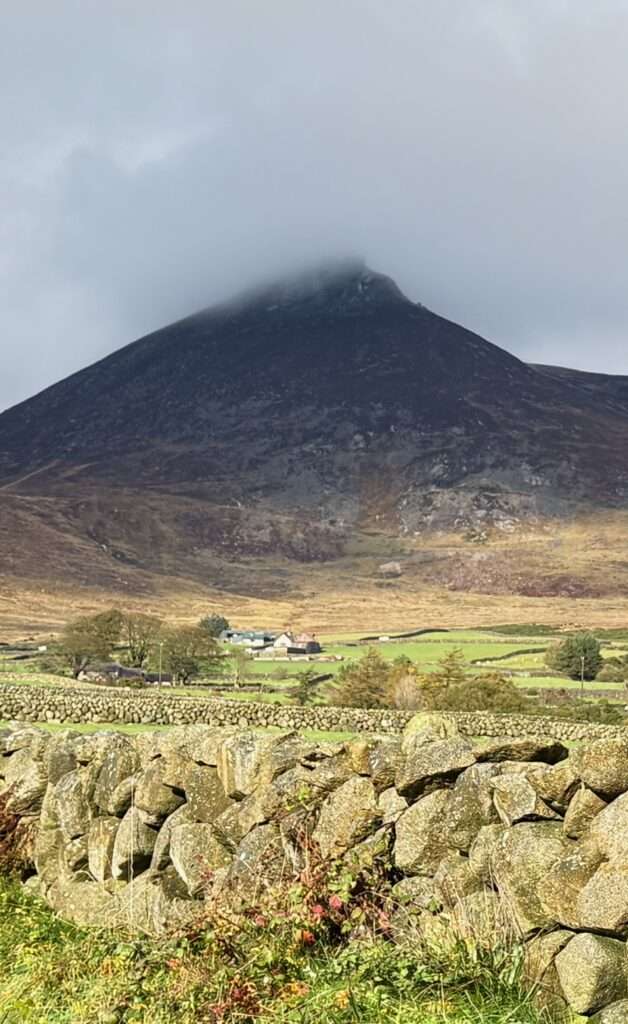
Our first stop was Spelga Dam, built to support the area’s water supply. It felt incredibly quiet and serene, especially under a cold, grey October sky.
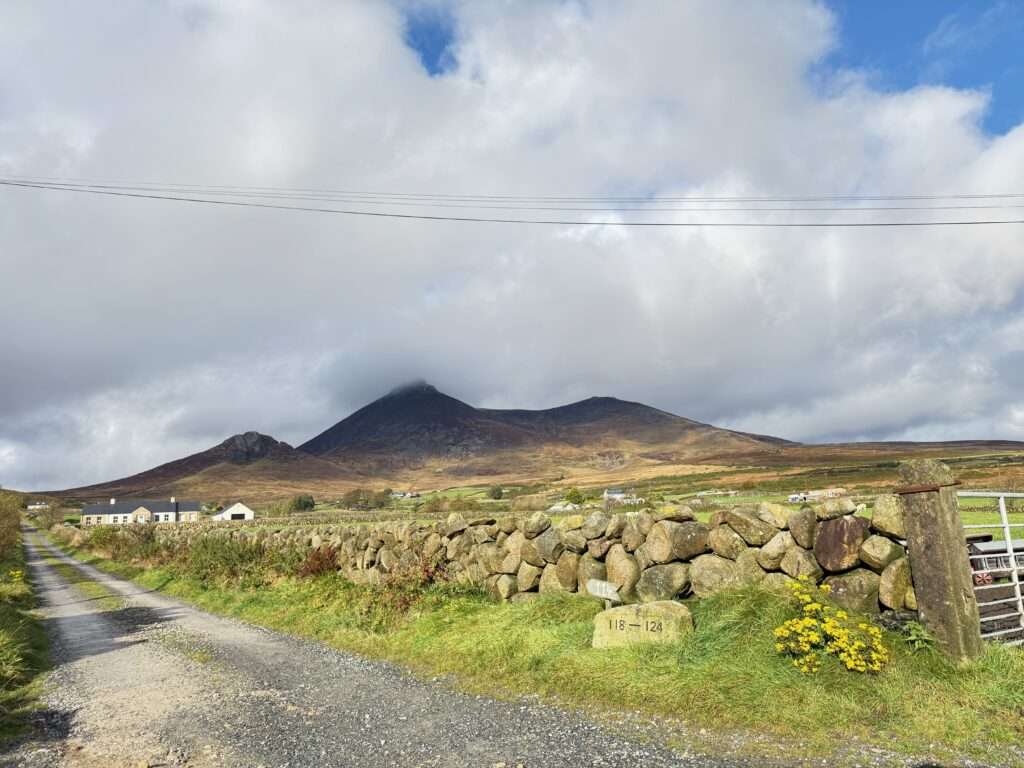
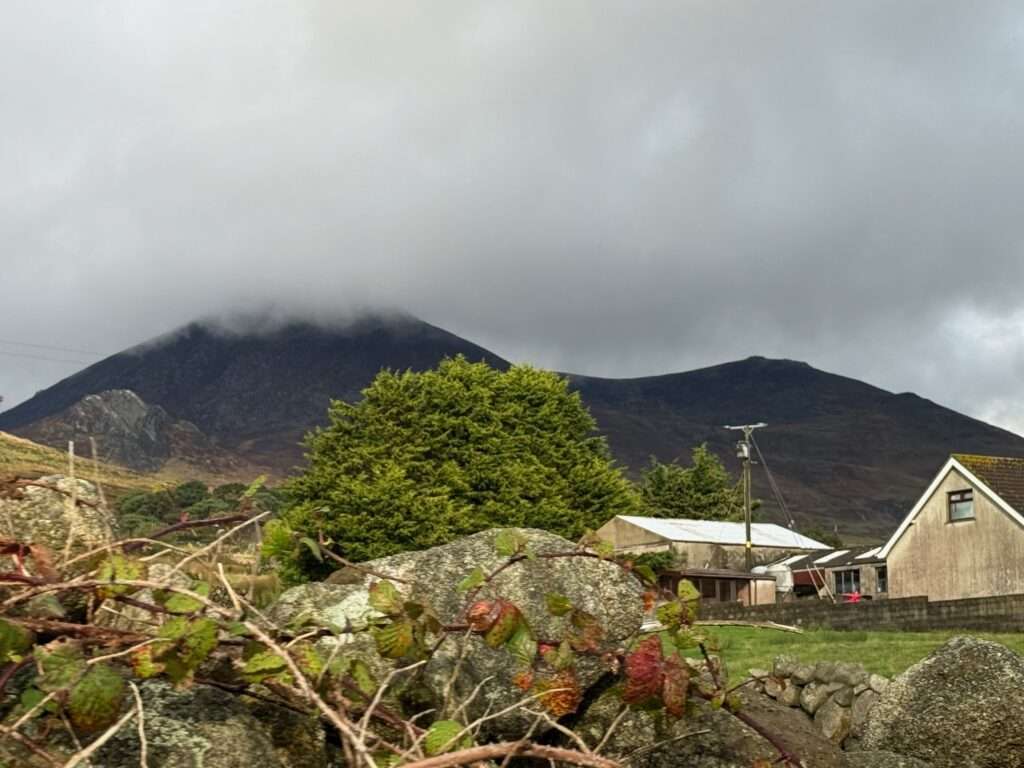
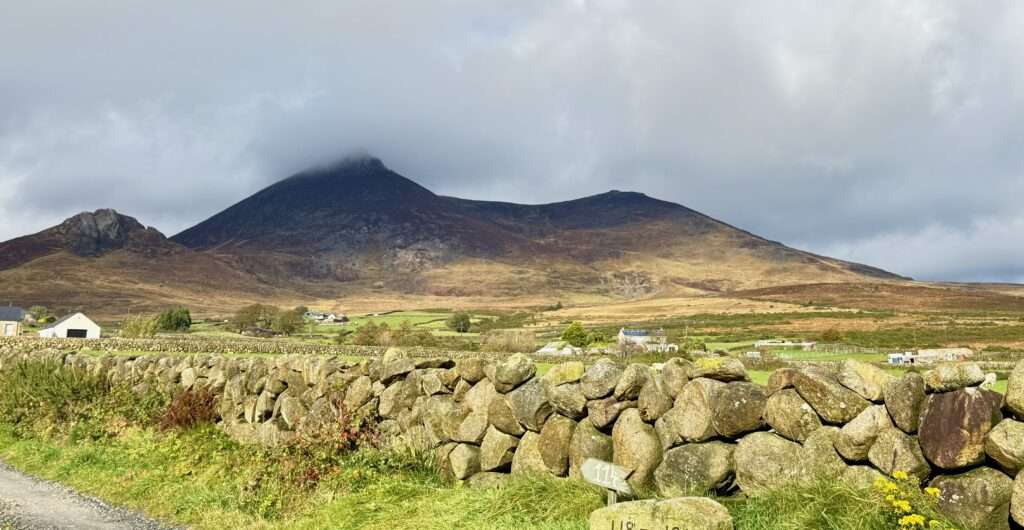
The Mourne Mountains are known for their granite — and are considered “relatively young.” I have to admit, I struggled with that idea… 56 million years doesn’t sound particularly young to me!
The landscape was constantly changing with the light. Bracken covered the mountainsides, turning a rich brown in winter and giving the hills a beautiful, almost glowing orange tone.
We could see Slieve Binnian, one of the most rugged and craggy peaks in the range — dramatic and unmistakable.
Names here tell their own stories too. The Brandy Pad path made me wonder if it once carried smuggled alcohol, while Bloody Bridge certainly sounds like it has a darker past. Whether fact or folklore, it all added to the atmosphere of the place.
Silent Valley — A Quiet Kind of Beauty
When I first heard we were visiting somewhere called Silent Valley, I wasn’t quite sure what to expect.
At first, it felt like entering a park or woodland. But after visiting the small museum near the car park, the story unfolded — the geological formation of the Mournes, and the history behind the creation of the Silent Valley Reservoir.
It is described as “a quiet place” — and it truly is.
There is even a local legend that the name comes from the fact that no birds sing in the valley. Whether true or not, the stillness is striking.
I could easily have stayed for hours, simply taking it all in. Today, Silent Valley is promoted as a place of peace, solitude, and adventure — and for me, it was a true hidden gem.
The Peace Walls — A Living History
A very different experience followed.
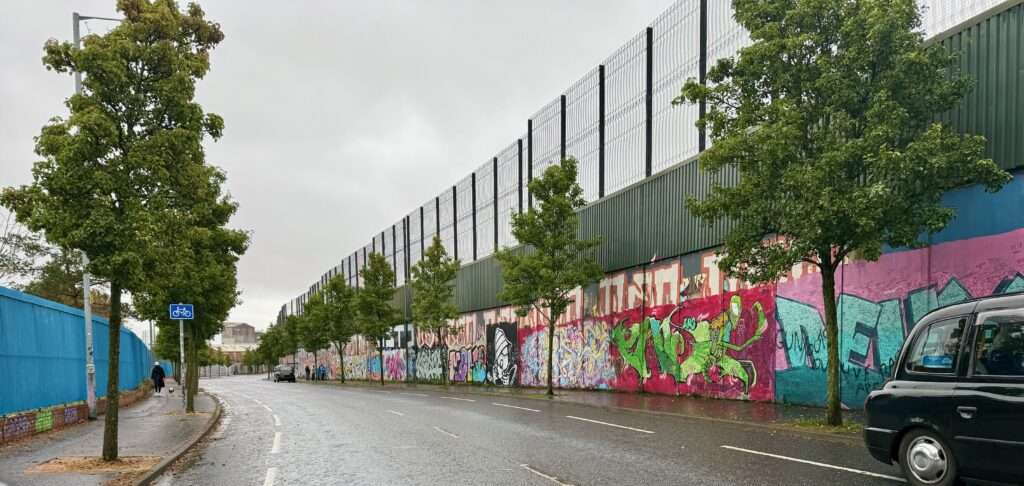
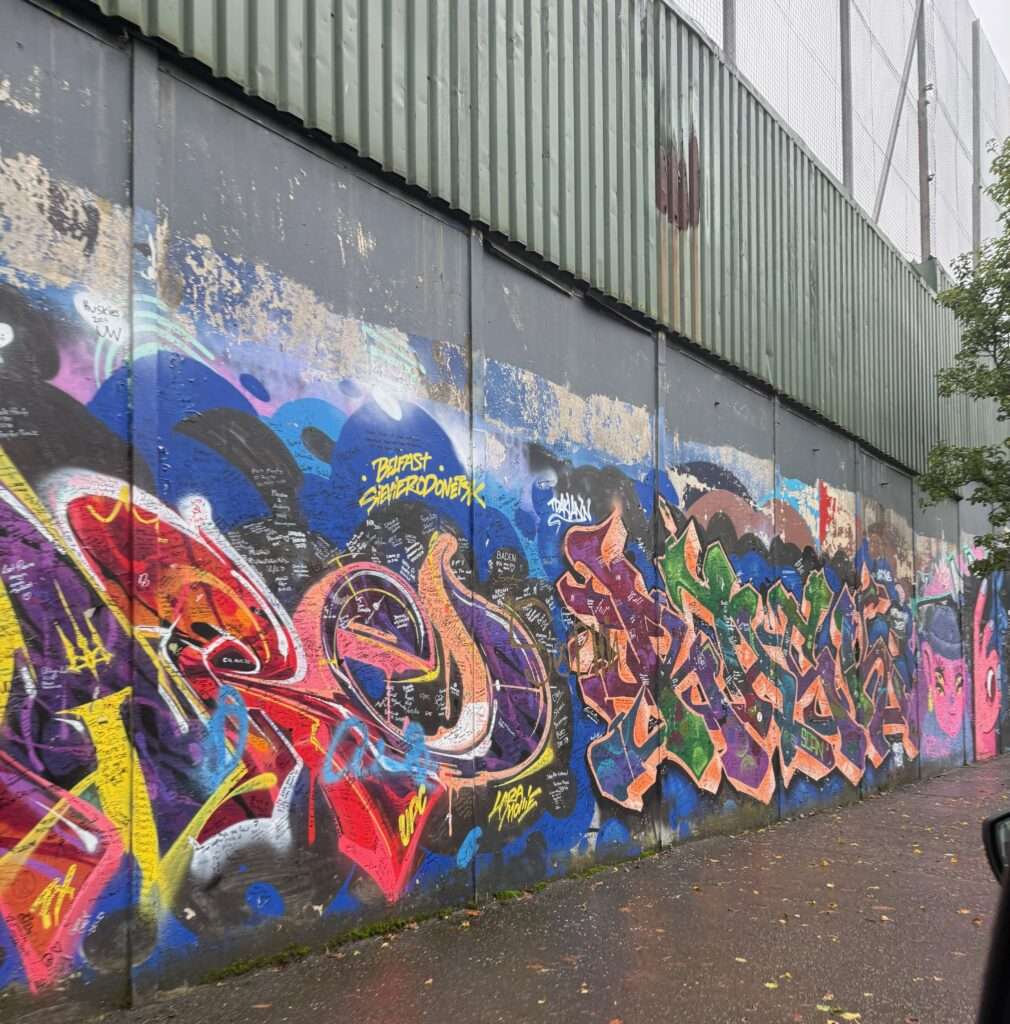
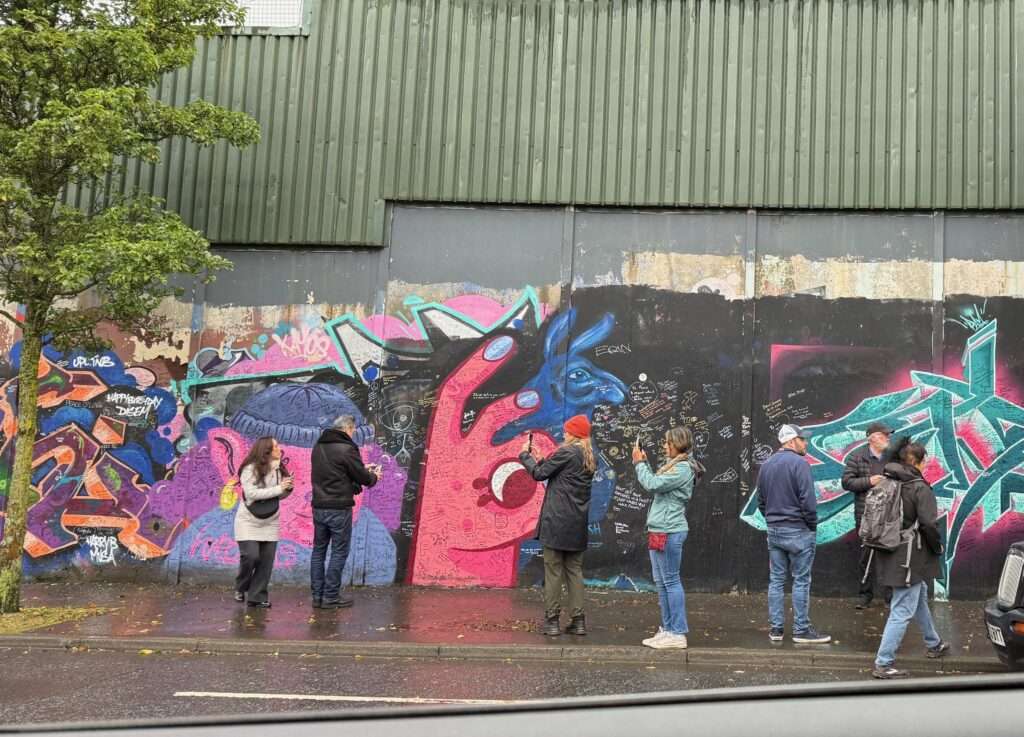
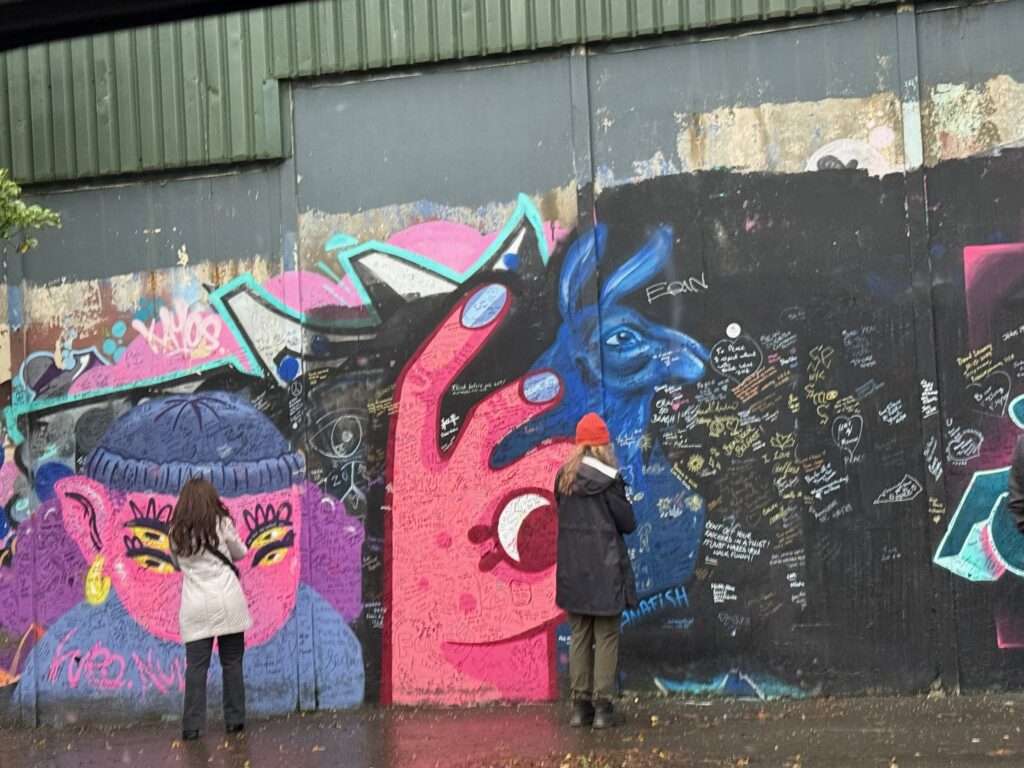
The Peace Walls, particularly around Shankill Road, are now a well-known stop for visitors — but standing there, it feels far more than a tourist attraction.
The murals tell powerful stories of The Troubles in Northern Ireland. It’s like walking through a living museum, where history is painted across walls rather than displayed behind glass.
It’s thought-provoking, emotional, and an important part of understanding Belfast.
Crumlin Road Gaol — Echoes of the Past
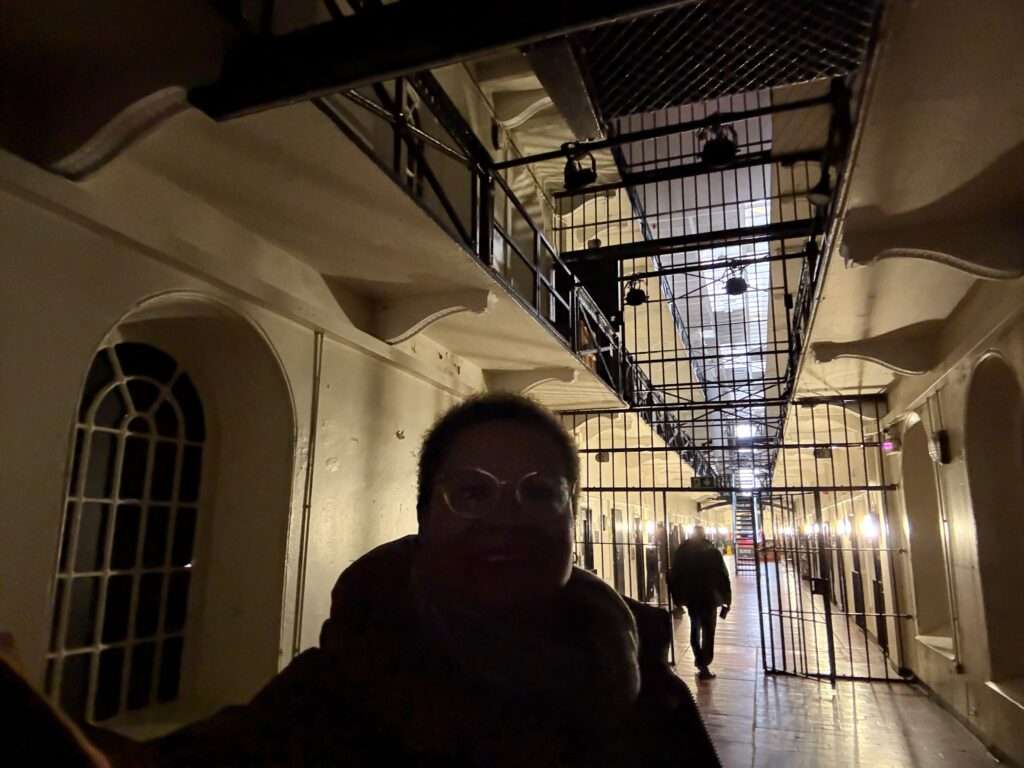
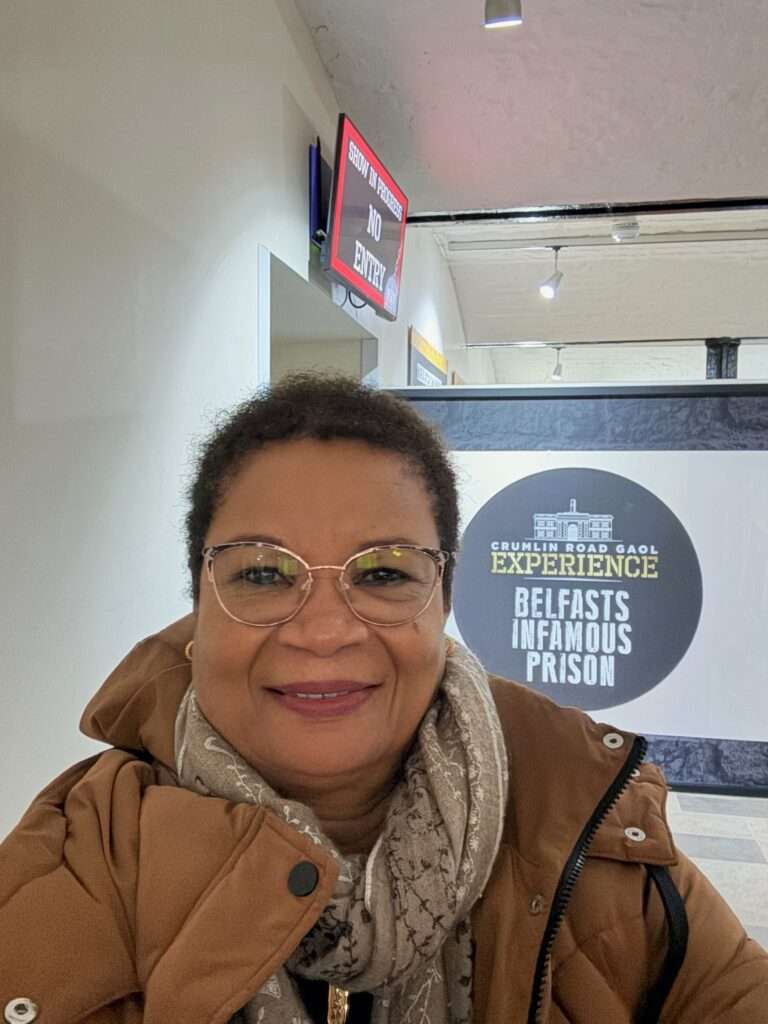
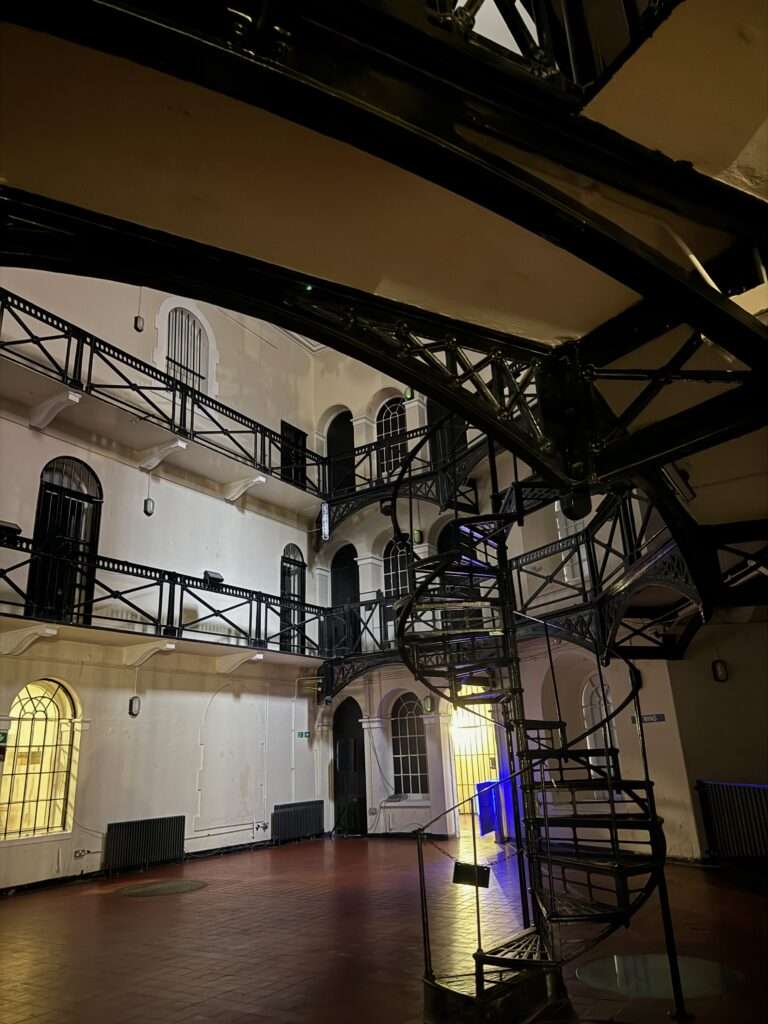
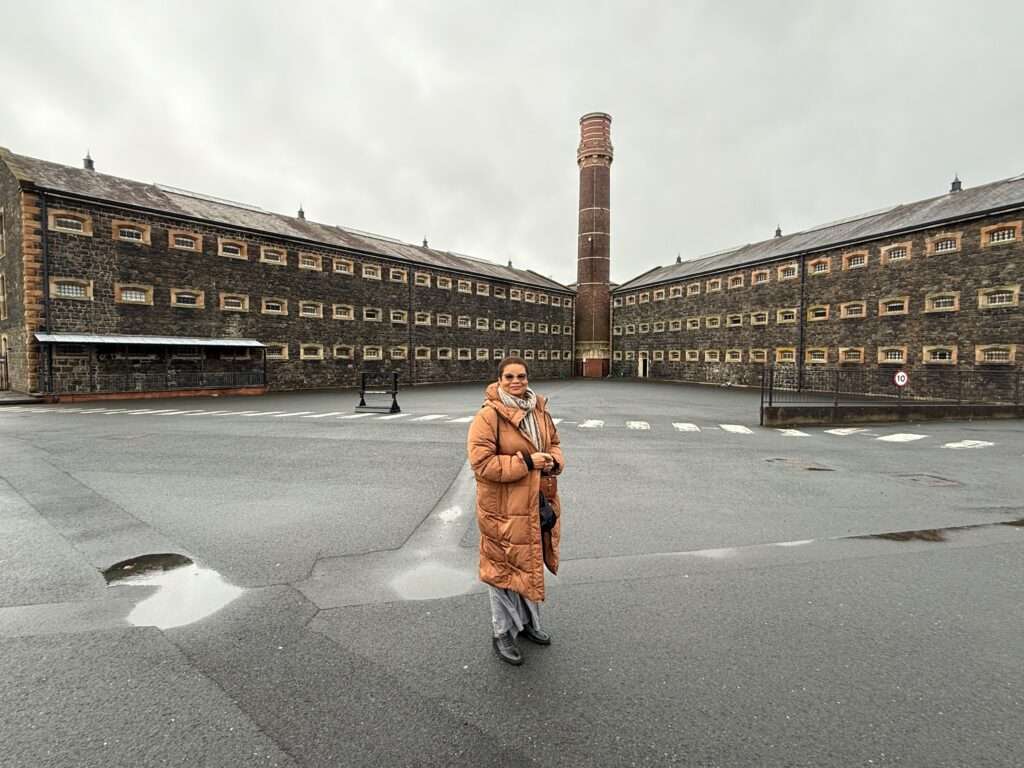
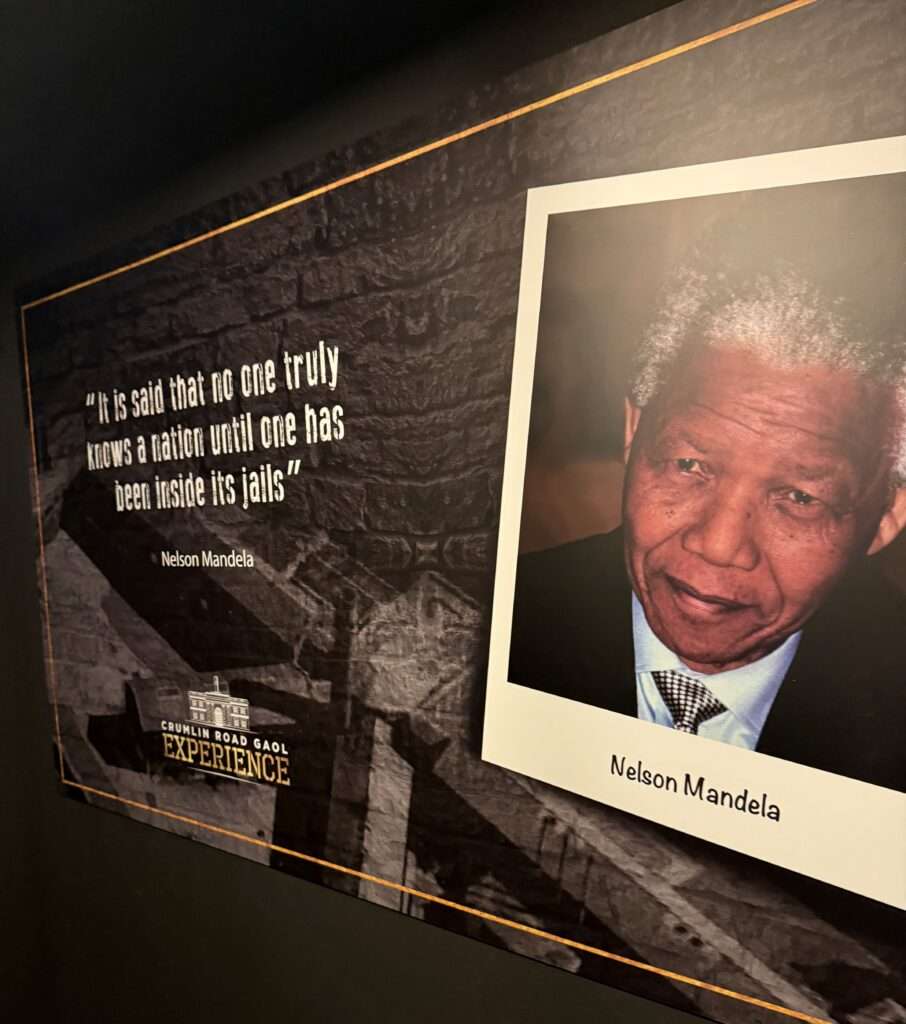
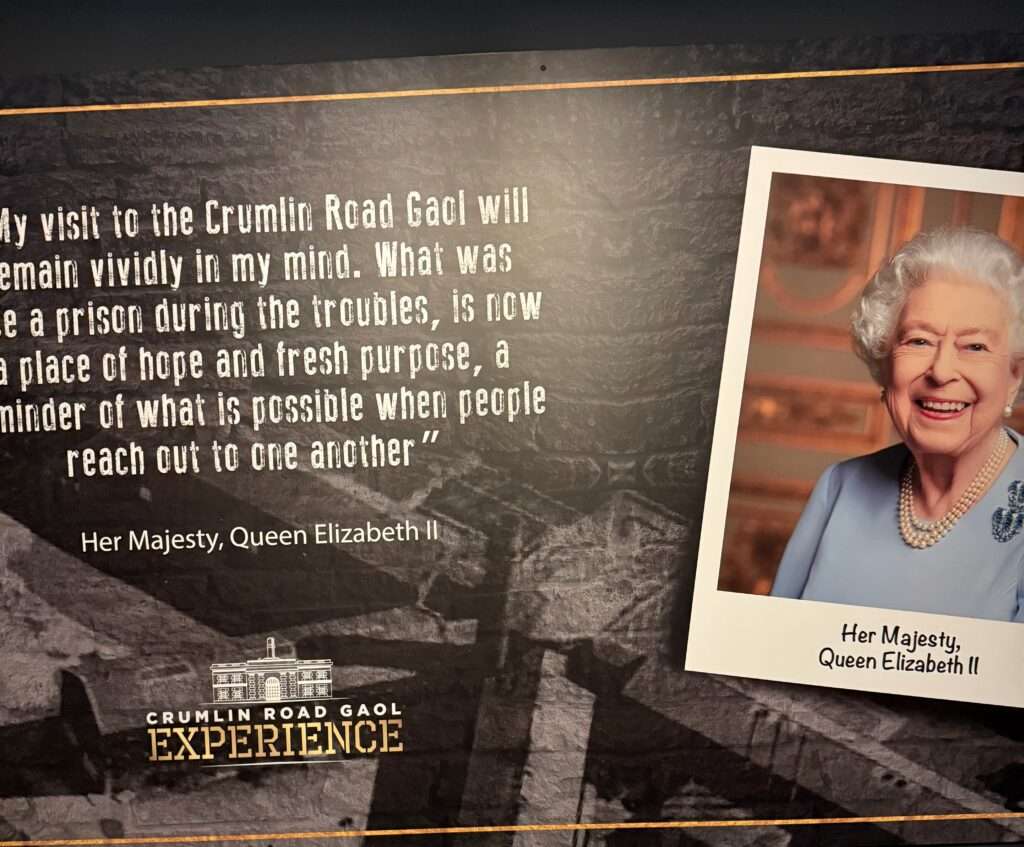
We also explored Crumlin Road Gaol, the last remaining Victorian-era prison in Northern Ireland.
The building is striking — stark, solid, and full of presence.
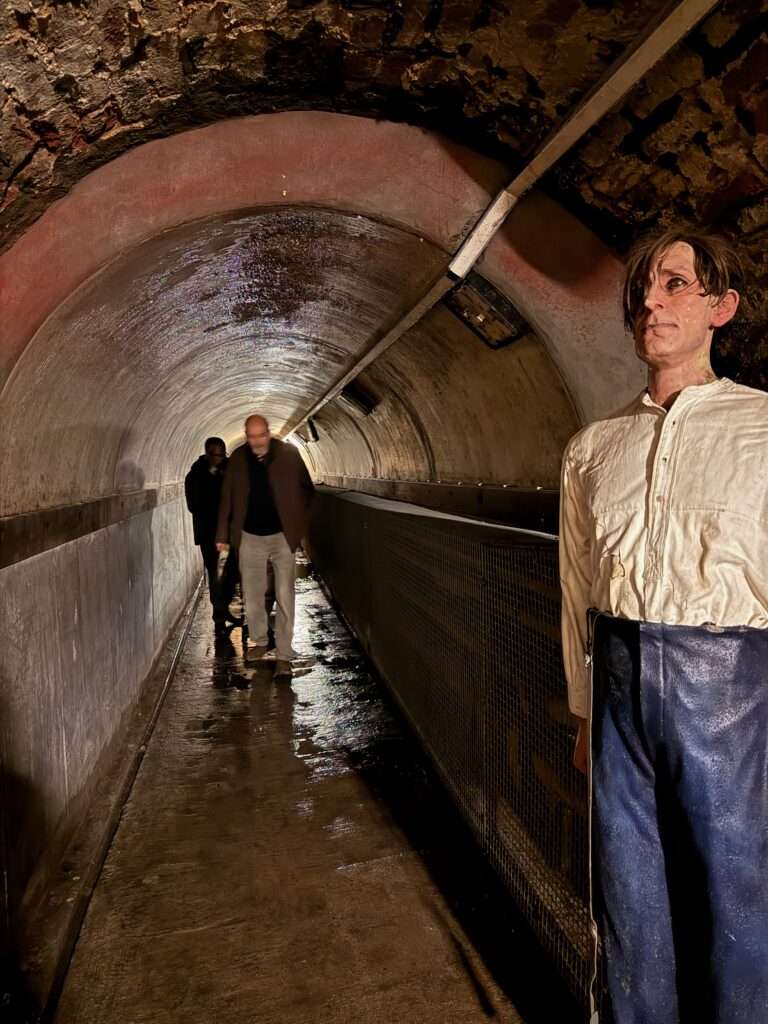
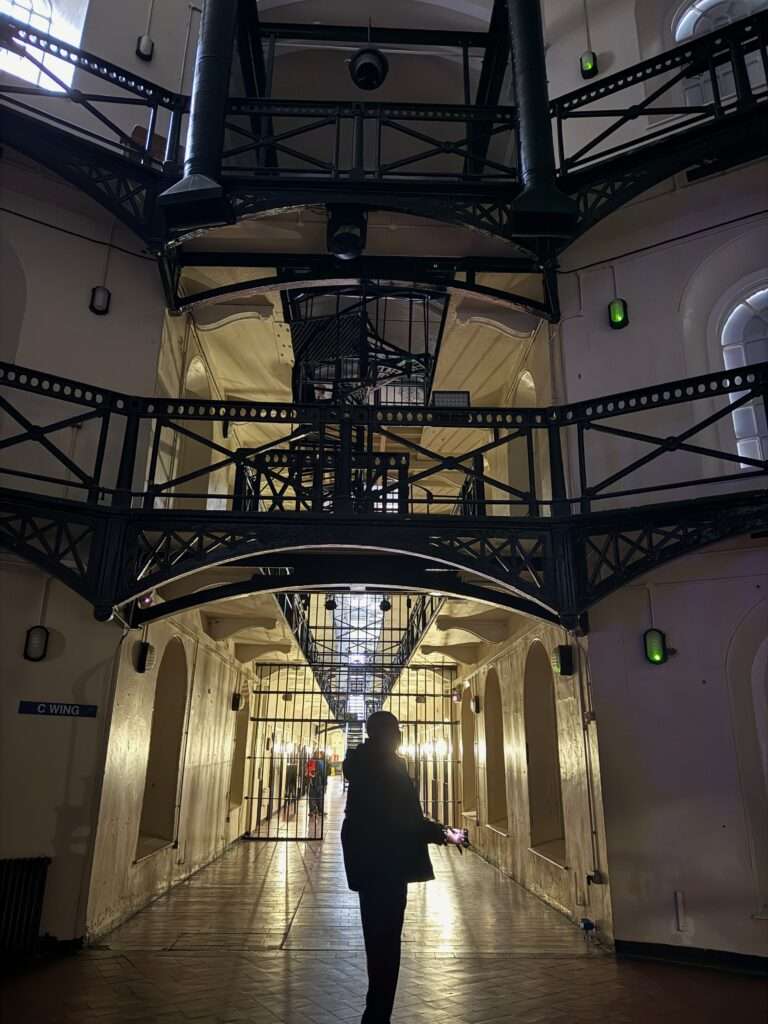
The restoration has been done beautifully, and the experience brings history to life, with sound effects and exhibits that show what prison life was really like.
Of course, I couldn’t resist taking a few photos inside!
A First for Me — Rugby at Kingspan Stadium
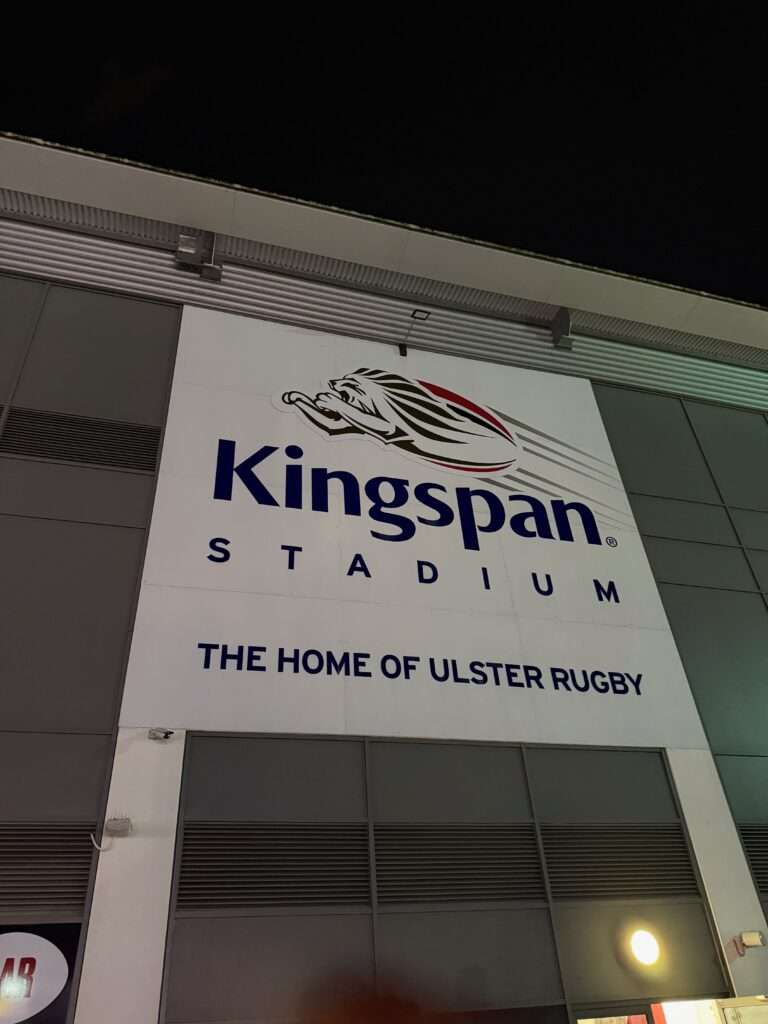
To finish the trip, we went to a rugby match at Kingspan Stadium, home of Ulster Rugby.
I had never been to a rugby match before — and I absolutely loved it.
The atmosphere was electric. I didn’t understand all the rules (far from it!), but Bert was on hand, quietly explaining what was happening and answering my many questions.
It made the whole experience even more enjoyable.
The Crown Bar
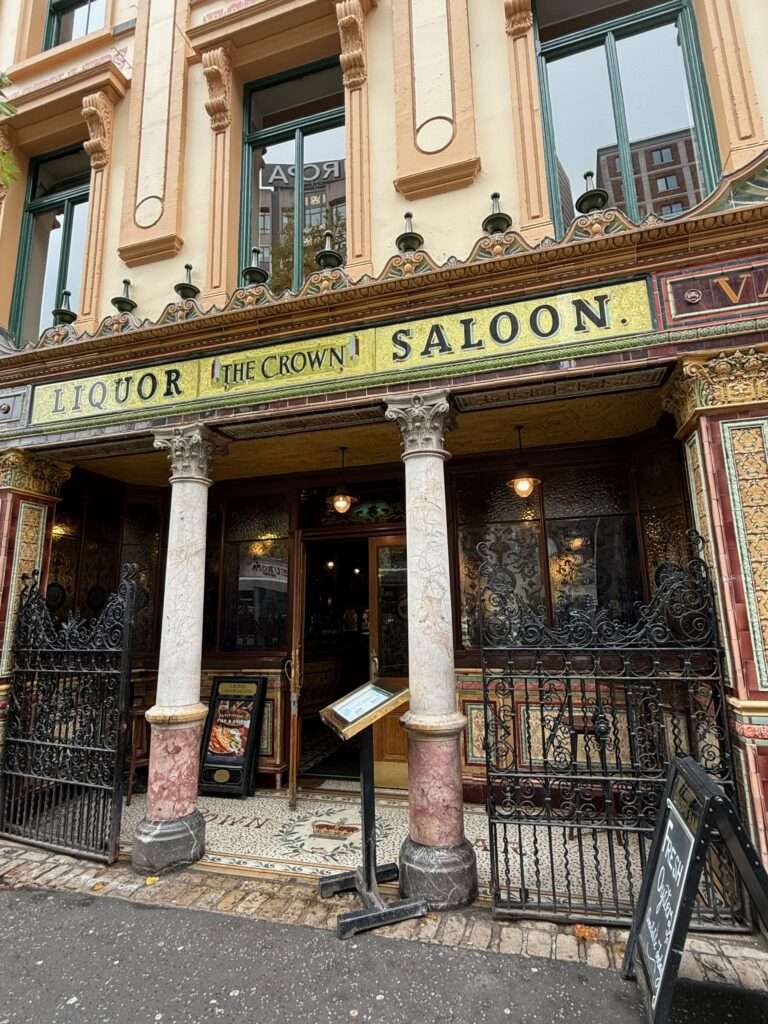
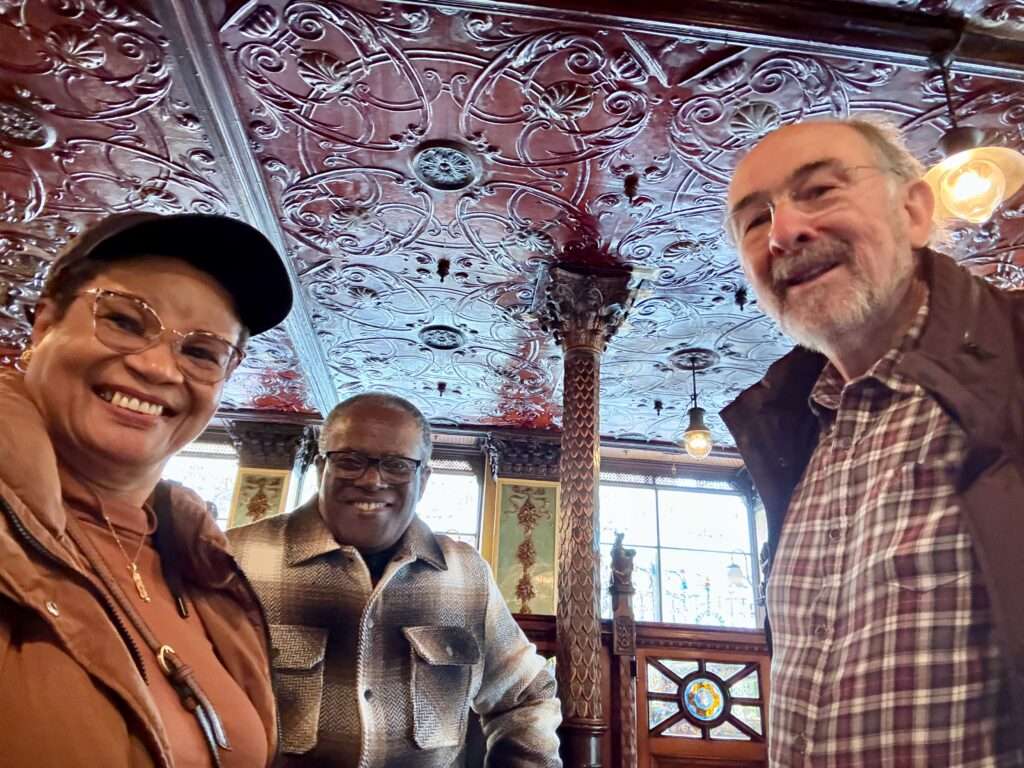
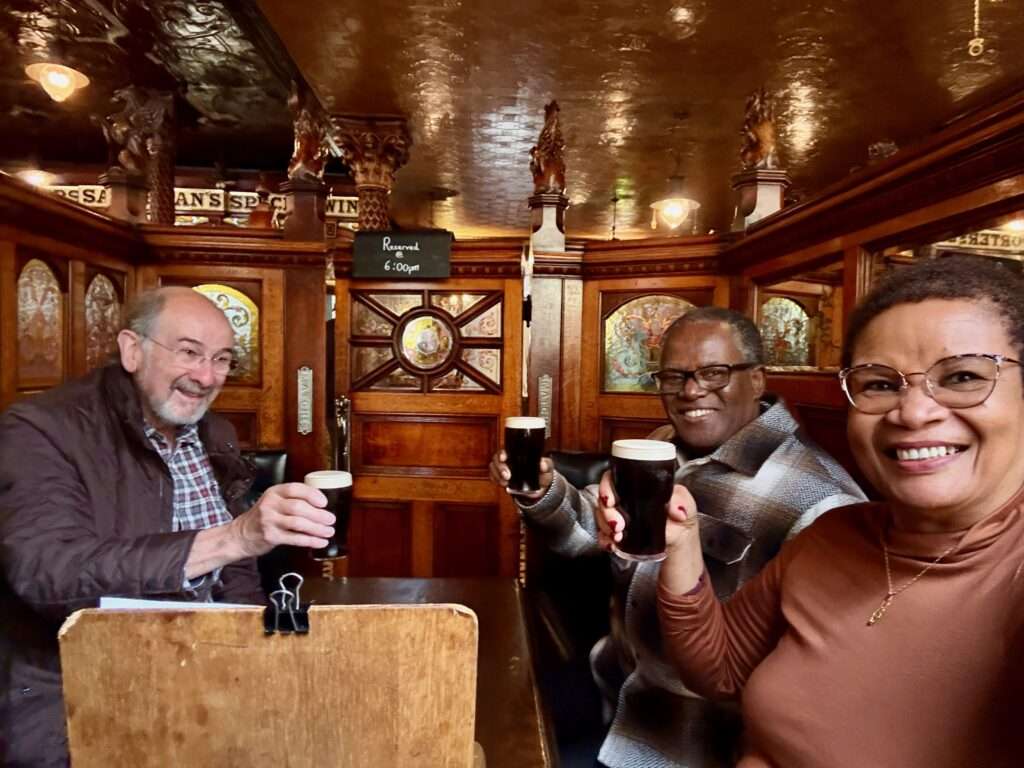
What a way to end our trip to Belfast – a nice Irish Guiness at the most famous pub in Belfast – the Crown Bar- in Great Victoria Street.
Final Thoughts
Was it worth it?
Absolutely.
This trip showed me a different side of Belfast — one shaped by local knowledge, quieter landscapes, and stories you wouldn’t necessarily find on a typical itinerary.