Chichén Itzá, Mexico — A Wonder That Left Me Thinking
13 September 2020
I visited Chichén Itzá in Mexico in early 2020, just before the world unexpectedly came to a standstill.
At the time, travel was still open, and I had already begun my journey to explore the New Seven Wonders of the World. By then, I had seen the Great Wall of China, and Machu Picchu, and I was continuing that journey here in Mexico.
Like many of my trips, I travelled solo and joined a local guided group for the visit itself — a great way to understand the history behind what you’re seeing.
First Impressions
Chichén Itzá is a vast archaeological site, made up of temples, pyramids, and ceremonial structures spread across a wide open landscape.
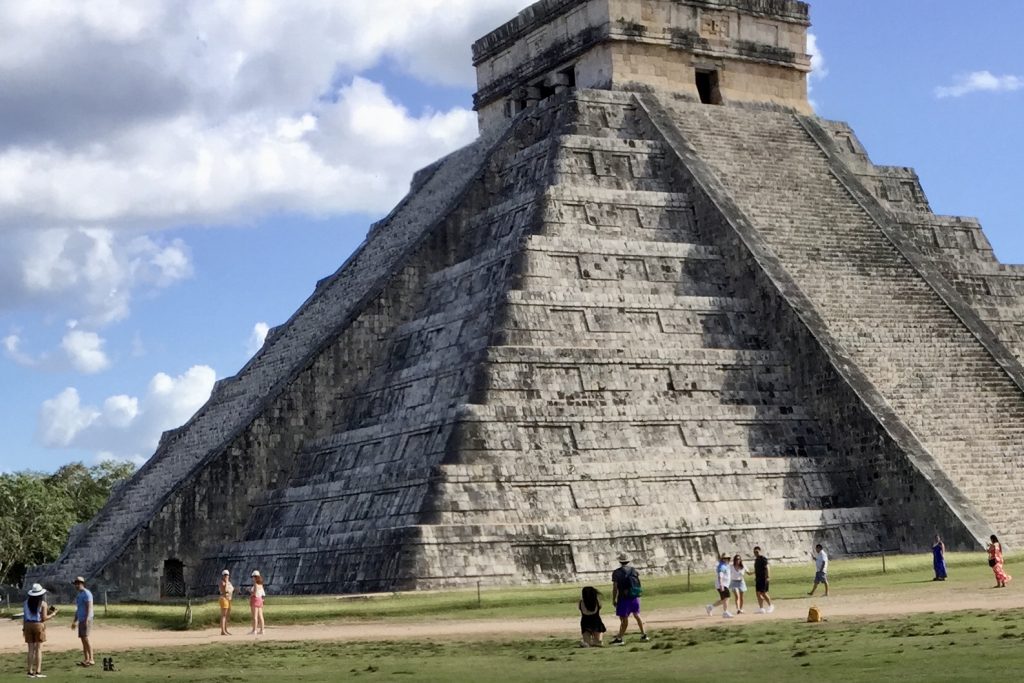
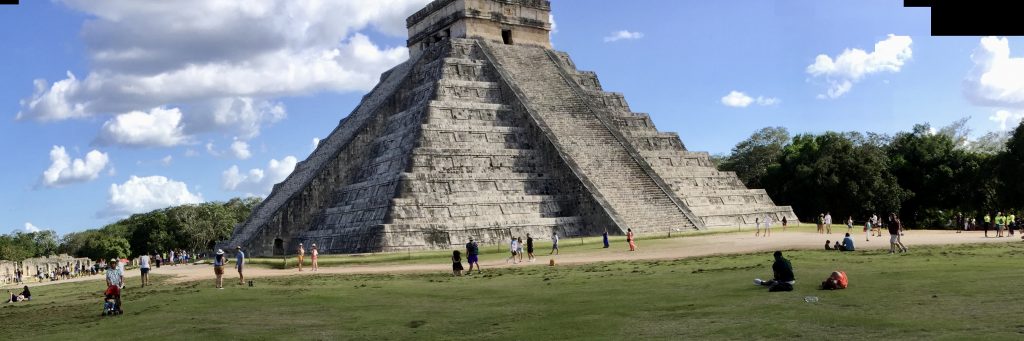
The most iconic of these is El Castillo (Temple of Kukulcan) — a striking step pyramid that dominates the site.
Built around AD 600, it is carefully designed with 365 steps, one for each day of the year reflecting the Mayans’ advanced understanding of astronomy.
Stories in Stone
The site is rich in detail and symbolism.
I was particularly intrigued by the stories behind El Castillo from the belief that it was built over a cenote (a natural sinkhole), to the discovery of another pyramid hidden within it.
One of the most fascinating features is the way the sunlight creates the illusion of a serpent moving down the pyramid during the spring and autumn equinoxes, a tribute to the feathered serpent god, Kukulcan.
I’ll admit, I had to use a bit of imagination!
The Great Ball Court
Another highlight is the Great Ball Court, an enormous space where the Mayans played ceremonial ball games. The scale alone is impressive with towering walls and stone rings set high above the playing area.
But what really caught my attention was the acoustics. A simple clap at one end of the court could be heard clearly at the other end, something I had to try for myself, of course!
The Great Ball Court
The scripted relics ran the whole length of the court. It was said to depict the victims of the various games. Very detailed stone carvings which provided lots of information for historians and archaeologists.
A Place of History… and Questions
There’s no doubt that Chichén Itzá is historically significant. It is one of the best-preserved Mayan sites and attracts millions of visitors each year.
And yet…
I found myself reflecting more than I expected.
Unlike some of the other Wonders I had visited, this one didn’t immediately leave me in awe. I appreciated the history, the knowledge, and the ingenuity but I didn’t feel the same emotional connection.
And that surprised me.
Was It Worth It?
Yes — but perhaps not in the way I expected.
Travel isn’t always about being impressed. Sometimes it’s about understanding, questioning, and seeing things from a different perspective.
Chichén Itzá is undeniably important — a place shaped by remarkable knowledge of astronomy, engineering, and culture.
But for me, it remains the Wonder that made me pause and think the most.
And perhaps… that in itself is its own kind of wonder.
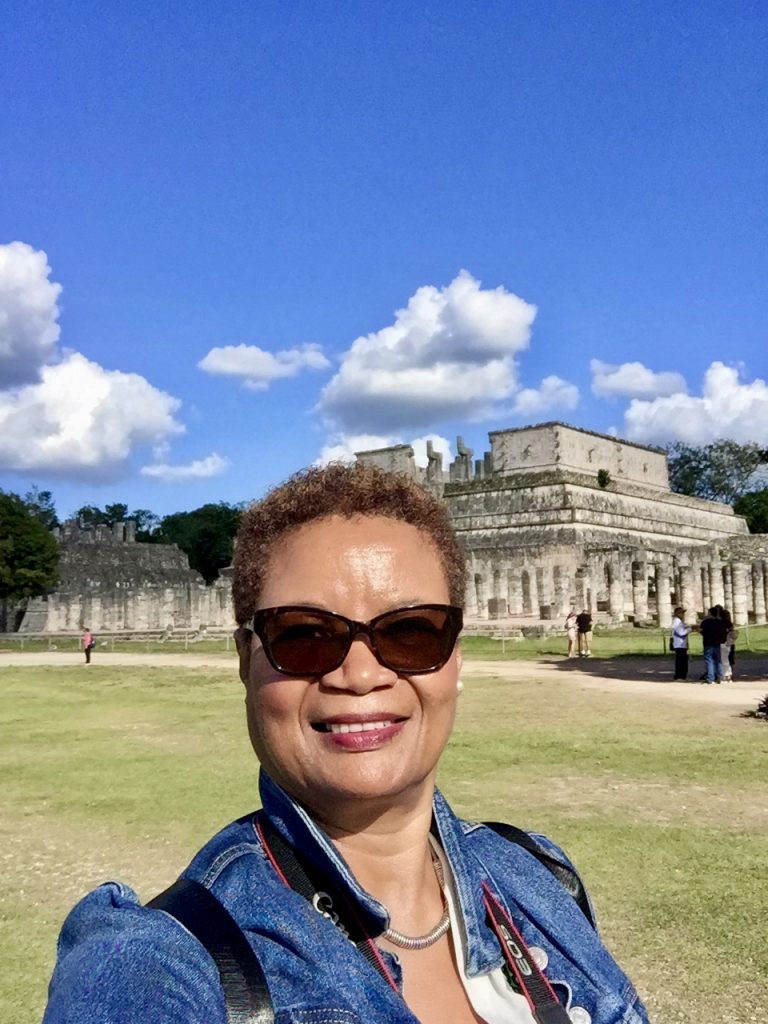
Temple of a Thousand Warriors in the background.
Mollywozherehere photo, naturally.
This was part of my journey through the Wonders of the World. You can also read about Machu Picchu and the Great Wall of China, as I continue exploring these remarkable places.
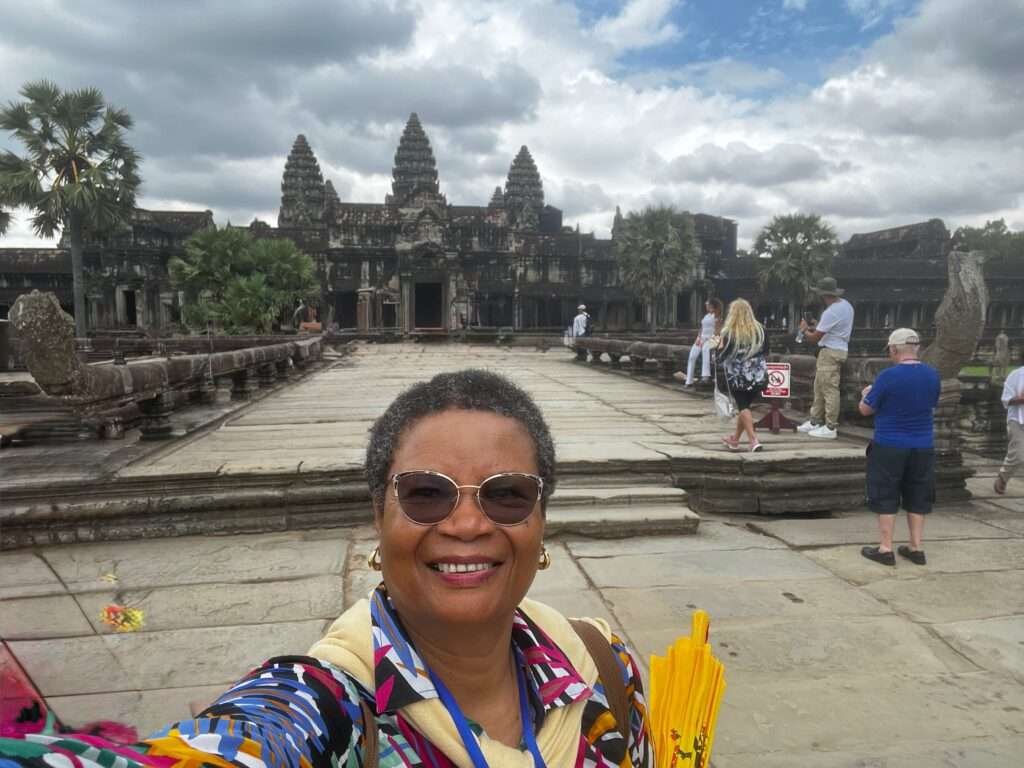
Angkor Wat may have drawn me to Cambodia, but it was only the beginning. From Phnom Penh and Tonlé Sap Lake to tuk-tuk rides, local…
4 thoughts on “Chichén Itzá, Mexico — A Wonder That Left Me Thinking”
looseleavesflower
Hi Mollywozhere,
you did it again! That is making us travel virtually in this dreary world of Covid-19 with beautiful photos and lovely stories. I liked the one about the other tourist suggesting you kneel down and ending up taking each other photo kneeling down. Lovely story on how one always finds a pair of helping ‘hands’ among other fellow beings in this world, even if it is taking a photo. Keep going. I’ll be waiting.
looseleavesflower






Hi Mollywozhere,
you did it again! That is making us travel virtually in this dreary world of Covid-19 with beautiful photos and lovely stories. I liked the one about the other tourist suggesting you kneel down and ending up taking each other photo kneeling down. Lovely story on how one always finds a pair of helping ‘hands’ among other fellow beings in this world, even if it is taking a photo. Keep going. I’ll be waiting.
looseleavesflower
Thank you Looseleavesflower for your comments. I’m glad you enjoyed reading my blog. Next issue won’t be long. Be safe and well.
Nice blog Molly.
I visited Mexico last Nov on a food holiday. I enjoyed that wonderful country and intend to return.
Well done you.
Thank you. Food holiday? Nice one. 👍