Refreshed: September 2026
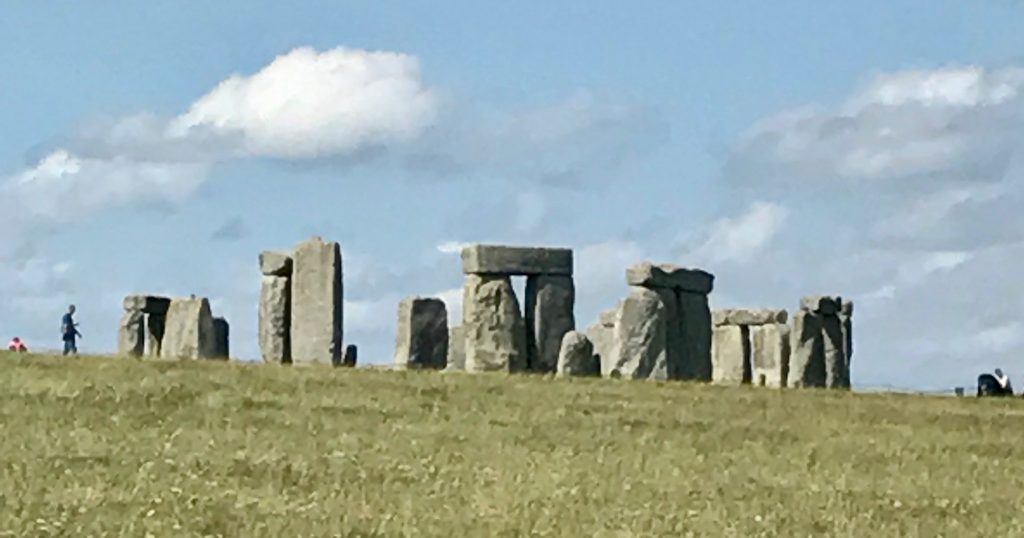
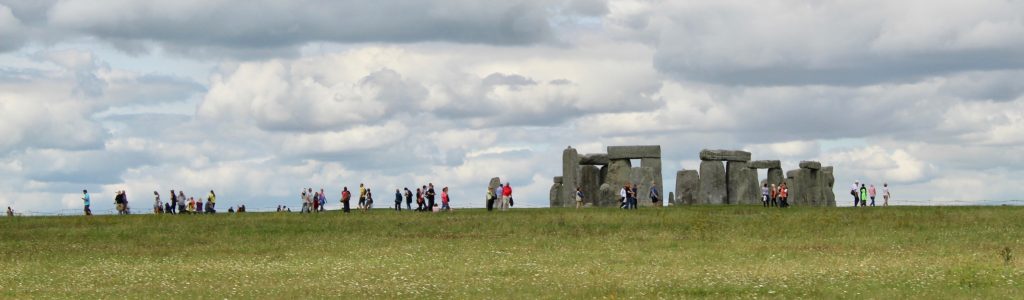
Stonehenge must be one of the most recognisable prehistoric monuments in the world. Standing on Salisbury Plain in Wiltshire, England, this extraordinary stone circle has fascinated people for thousands of years.
And despite everything archaeologists and researchers have discovered, Stonehenge still hasn’t given up all its secrets.
Construction of Stonehenge began around 5,000 years ago and took place in several stages. Some of the enormous sarsen stones weigh around 25 tonnes, while the smaller bluestones were transported from Wales – an astonishing achievement when you consider the distances involved and the tools available at the time.
What was Stonehenge for?
That is the question people have been trying to answer for centuries.
There are many theories. Stonehenge may have been used as a burial site, a place for ceremonies or healing, or for observing the movement of the sun. Its alignment with the sunrise at the summer solstice and sunset at the winter solstice is one of its most fascinating features.
But nobody knows the complete story.
Perhaps that is partly why Stonehenge continues to fascinate us. Thousands of years later, new research and discoveries continue to add to what we know – and sometimes raise even more questions.
One of my earliest memories of hearing about Stonehenge was seeing the thousands of people who gather there to mark the summer solstice. For some reason, I had assumed it wasn’t somewhere you could simply visit as a tourist.
I was wrong.
My attempt to visit Stonehenge
Stonehenge was on my list of 50 must-see places in the world, so when I was planning a holiday to Cornwall to visit Land’s End and the First and Last House, I deliberately included it on my route.
Unfortunately, my visit didn’t quite go according to plan.
The first thing that struck me as we approached Stonehenge was the amount of traffic. We seemed to spend a considerable amount of time sitting in it, and eventually I decided to abandon my plan to visit the site properly.
Instead, I saw Stonehenge from the vehicle and managed to take my photographs from there.
So there is no photograph of Mollywozhere standing proudly in front of Stonehenge on this occasion! But every photograph in this post was taken by me as we passed.
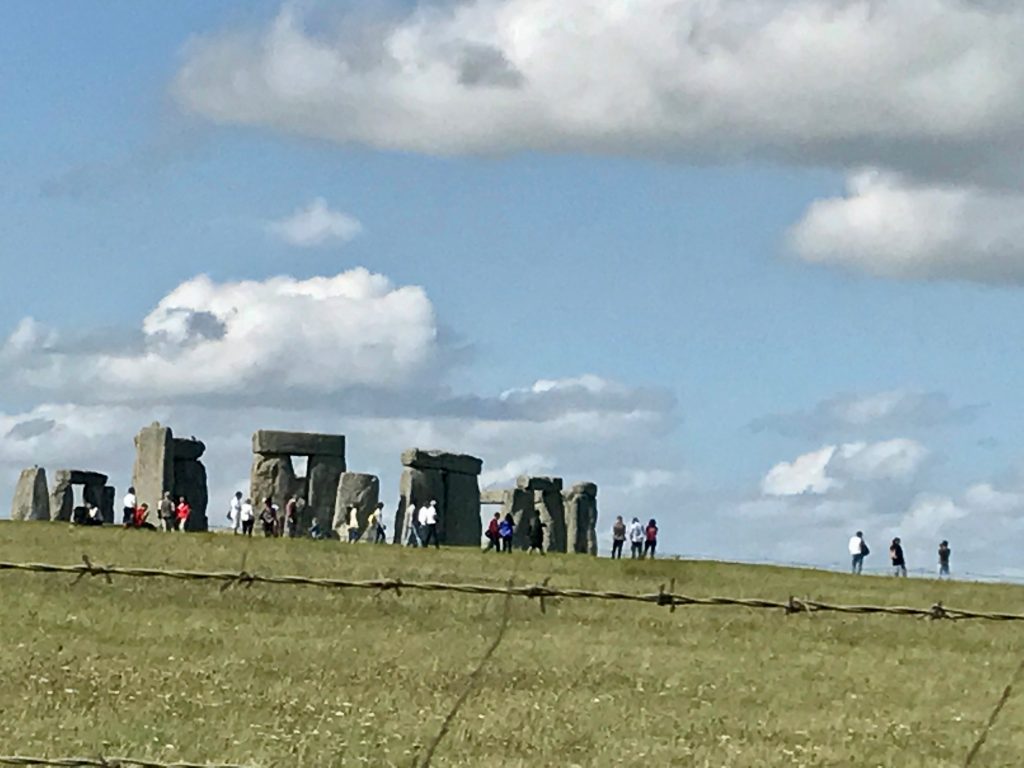
Even from a distance, however, there was something extraordinary about seeing those enormous stones standing on Salisbury Plain.
I had seen Stonehenge countless times in photographs and on television, but seeing it with my own eyes made me think about the people who built it thousands of years ago. How did they move stones weighing many tonnes? Why did they choose this particular place? And what exactly did Stonehenge mean to them?
We know considerably more about Stonehenge today than people did when I first became fascinated by it, yet some of the biggest questions remain unanswered.
And perhaps that is part of its appeal.
Stonehenge is magnificent, ancient and still shrouded in mystery.
I didn’t get the visit I had planned that day, so Stonehenge remains unfinished business for Mollywozhere. I would still like to return, walk around the site properly, visit the exhibition and give this remarkable monument the time it deserves.
Have you visited Stonehenge – or perhaps even experienced the summer solstice there? I would love to hear what you thought of it.