A Space for curious minds who believe life keeps expanding.
A Space for curious minds who believe life keeps expanding.
Cairo Highlights – Saqqara, Memphis and the Egyptian Museum
14 June 2019
Updated: March 2026
While the Great Pyramid and the Sphinx may be the headline acts, Cairo has so much more to offer. To truly appreciate Egypt’s history, it’s worth exploring beyond the Giza Plateau — and that’s exactly what I did.
With my Egyptologist guide leading the way, I discovered layers of history that brought ancient Egypt vividly to life.
Saqqara – The Step Pyramid
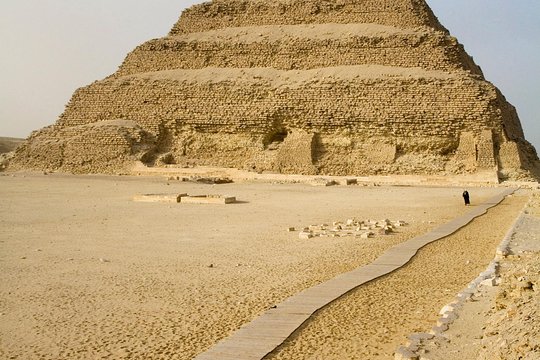
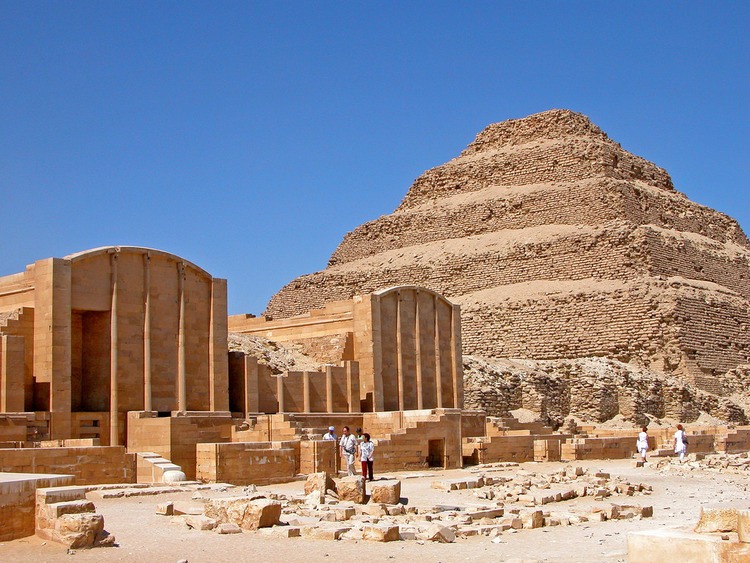
One of the most fascinating stops was Saqqara (also known as Sakkara), home to the Step Pyramid of Djoser.
Built around 2650 BC, it is considered the oldest pyramid in Egypt — and you can immediately see how different it is from the smooth-sided pyramids of Giza. Its stepped design feels like an earlier experiment in pyramid construction, offering a glimpse into how these incredible structures evolved over time.
Set within one of Egypt’s largest burial grounds, Saqqara has a quieter, more reflective atmosphere — less crowded, but equally rich in history.
The Step Pyramid of Djoser at Saqqara — the earliest pyramid design
Saqqara’s vast and peaceful burial grounds
Memphis – Egypt’s Ancient Capital
From Saqqara, we continued to Memphis, one of the earliest capitals of unified Egypt.
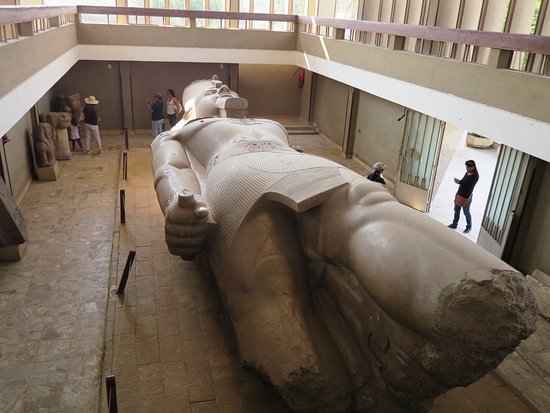
Here, I came face to face with the colossal statue of Ramesses II — and it truly stopped me in my tracks.
Lying on its back, this enormous statue is over 3,000 years old, around 30 feet high, and weighs an astonishing 83 tonnes. Walking around it, I couldn’t help but wonder how such a masterpiece was created without modern tools or technology.
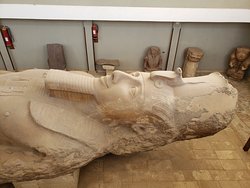
The level of detail, even after thousands of years, is remarkable. The features are strong, yet refined — almost timeless.
(Note: The statue has since been moved to the Grand Egyptian Museum.)
The colossal statue of Ramesses II in Memphis
Close-up details of the statue’s craftsmanship
The Egyptian Museum – A Treasure Trove of History
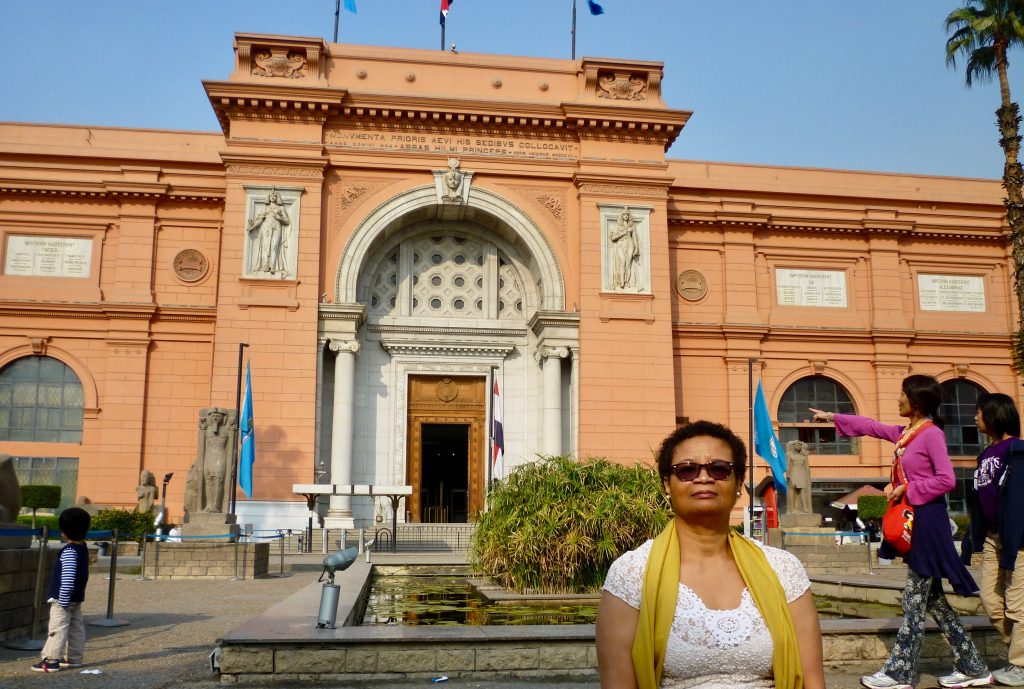
No visit to Cairo would be complete without stepping inside the Egyptian Museum of Antiquities.
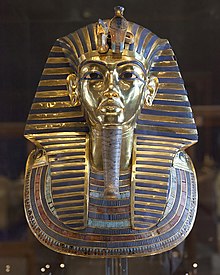
Home to over 120,000 artefacts, the museum is a treasure trove of ancient history. But the highlight — without question — is the famous golden mask of Tutankhamun.
Discovered in 1922 by Howard Carter, Tutankhamun’s tomb captivated the world. Seeing the mask in person is something else entirely — intricate, detailed, and almost surreal in its beauty.
What fascinated me most, though, were the personal items found in the tomb. From gloves and sandals to everyday objects, it painted a picture of a young king prepared for the afterlife in every possible way.
Tutankhamun became Pharaoh at just nine years old and ruled for only a short time — yet his legacy continues to draw visitors from around the world.
Photography is not permitted inside the museum, and security is understandably strict — a reminder of the immense historical value of what’s housed within.
Tutankhamun Gold Mask - courtesy of Wikki
Exterior of the Egyptian Museum in Cairo
A City Steeped in History
Cairo is a city where ancient and modern worlds collide.
From the early innovation of Saqqara to the grandeur of Memphis and the treasures of the museum, every stop adds another layer to the story of Egypt.
And while the pyramids may be the icons, it’s these additional experiences that truly deepen your understanding of this extraordinary civilisation.