The Hermitage Museum, St Petersburg — Masterpieces & Highlights
3 February 2019
Updated: April 2026 — refreshed with clearer highlights and structure.
One of the highlights of my visit to Russia was the magnificent Winter Palace and the State Hermitage Museum in St Petersburg. As the second largest museum in the world after the Louvre in Paris, it certainly lives up to its reputation.
Founded by Catherine the Great and home to over three million works of art, the Hermitage is vast. With only a few hours to explore, I chose to focus on the pieces that truly caught my eye,and those that stayed with me long after I left.
Seeing these works again reminded me of my time in Florence, where Renaissance art first captured my imagination.
Jordan Staircase
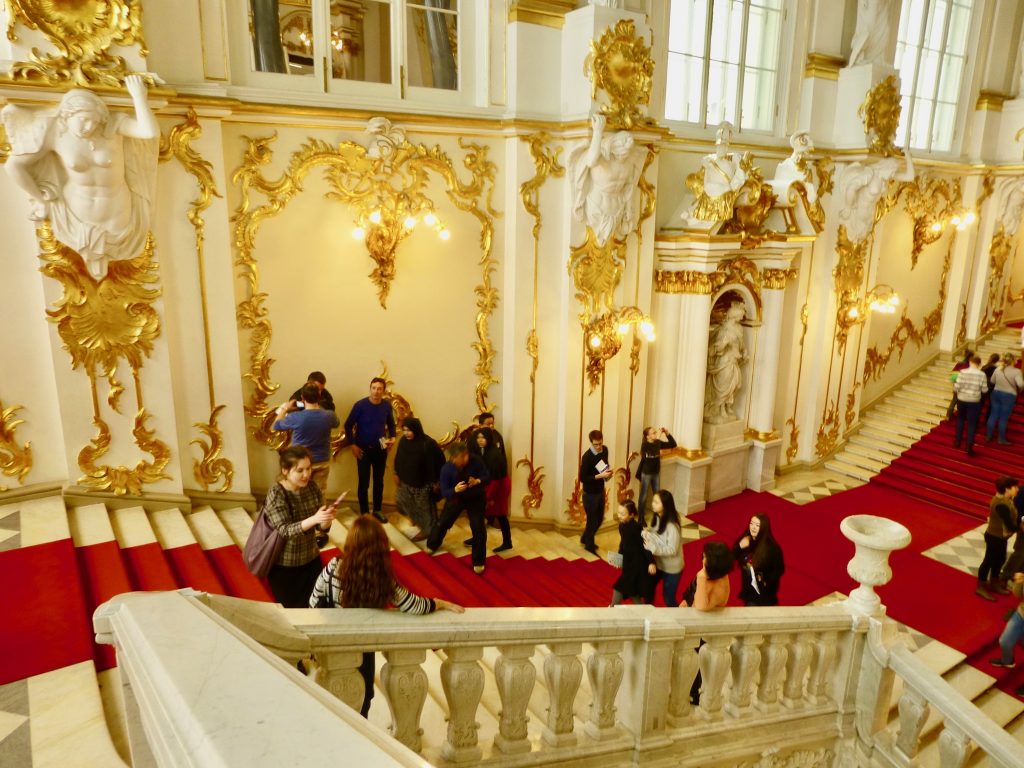
As you enter the museum complex, the first thing that hits you is the famous Jordan Staircase of the Winter Palace. Everyone marvelled at the grandeur of the entrance. So did we.
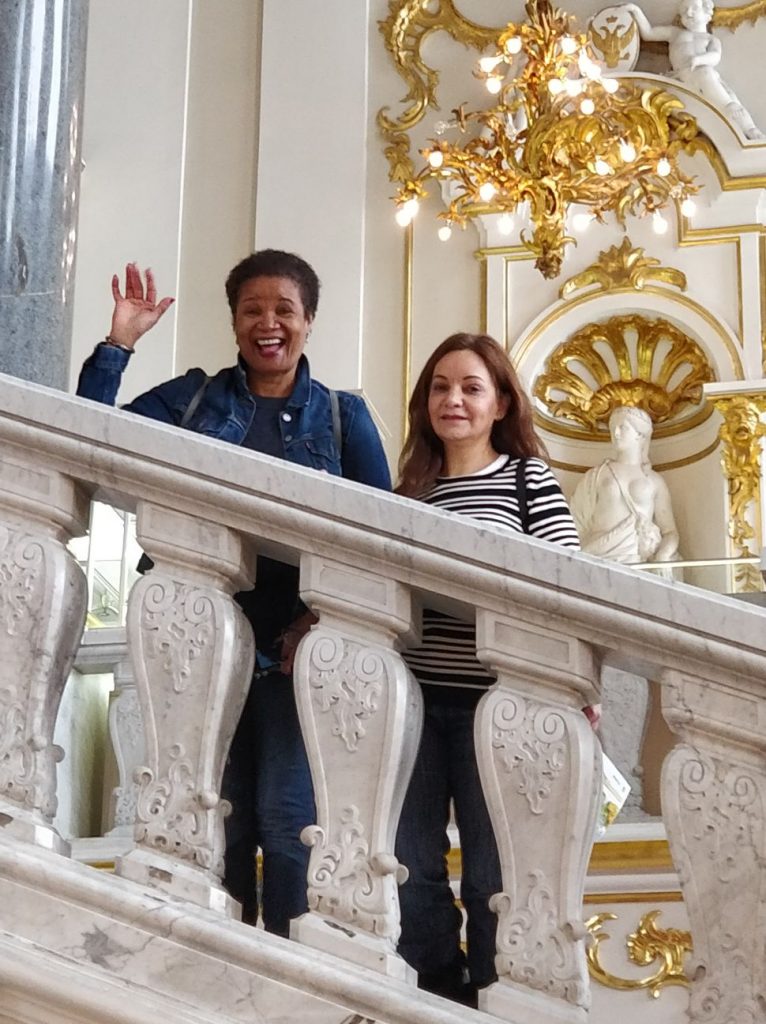
My friend and I couldn’t resist taking photos from every possible angle! It is a magnificent staircase – breathtaking!
Mollywozhere's royal wave!
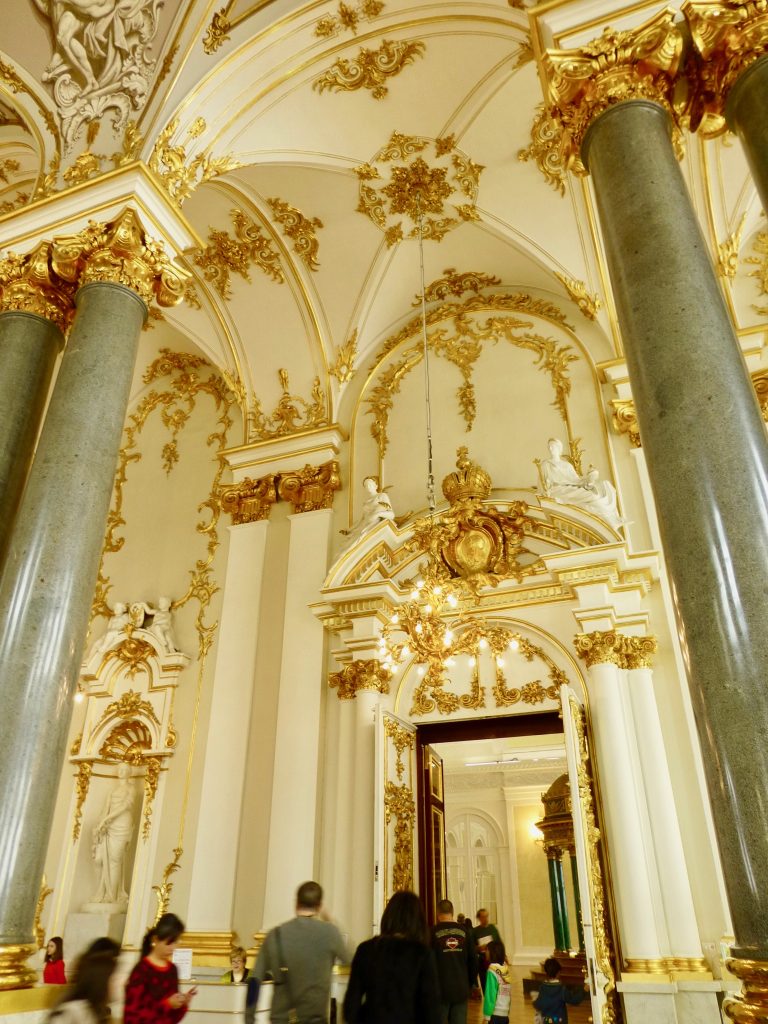
Jordan staircase's ceiling
Must-See Highlights in the Hermitage
Sculptures
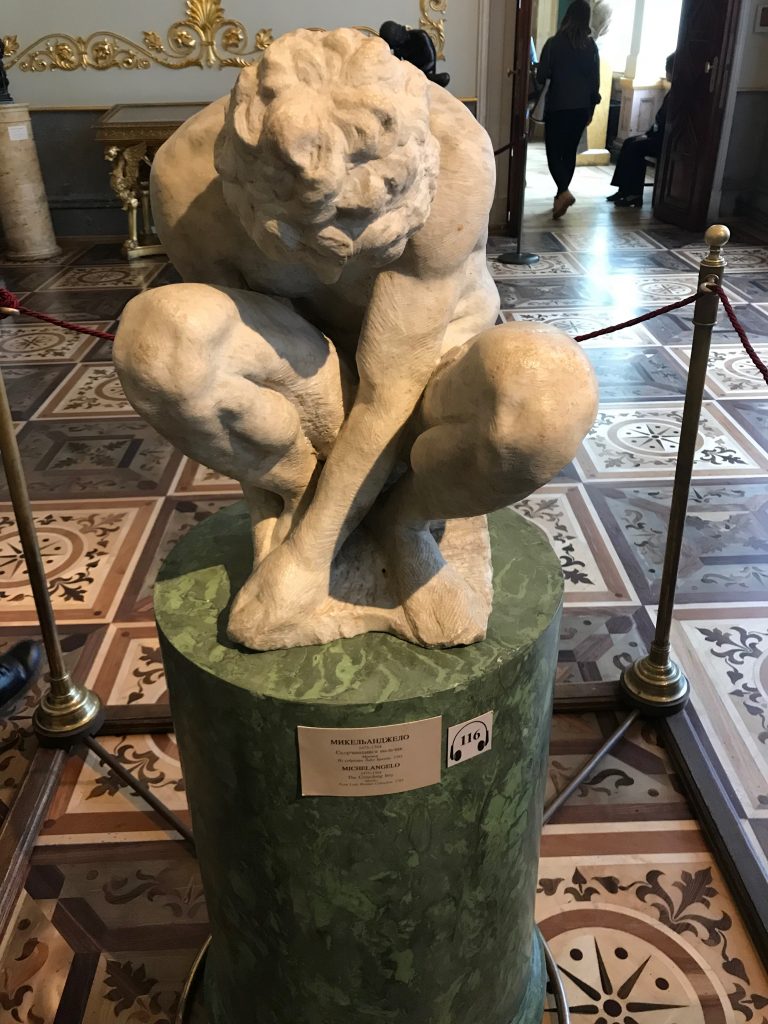
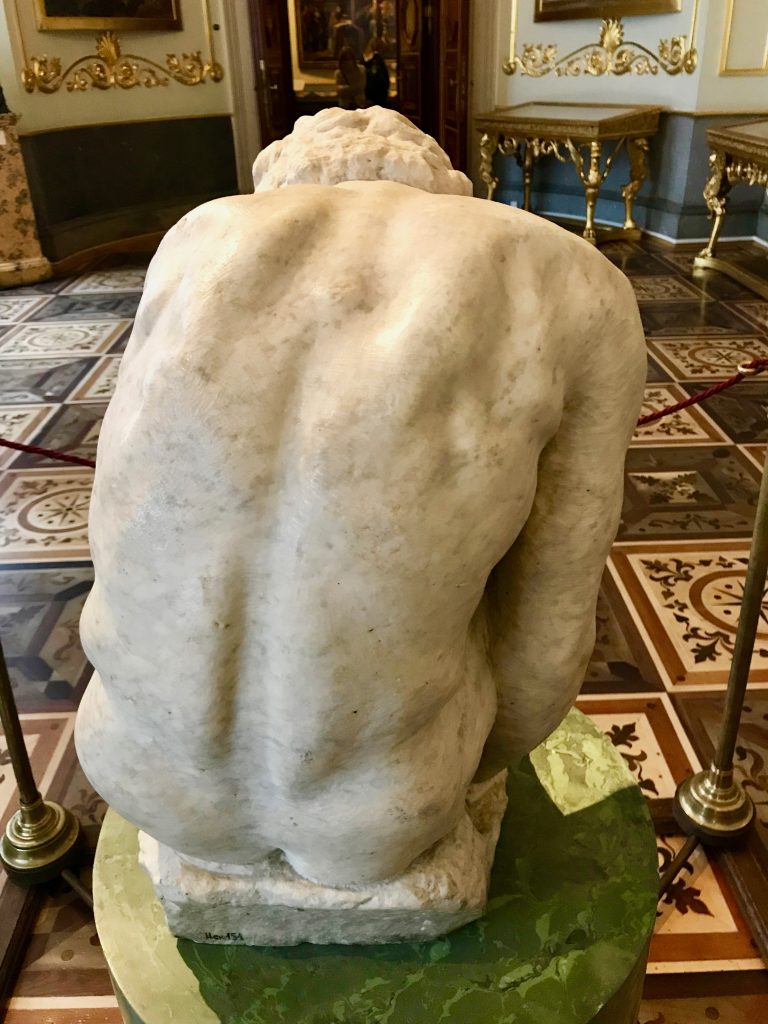
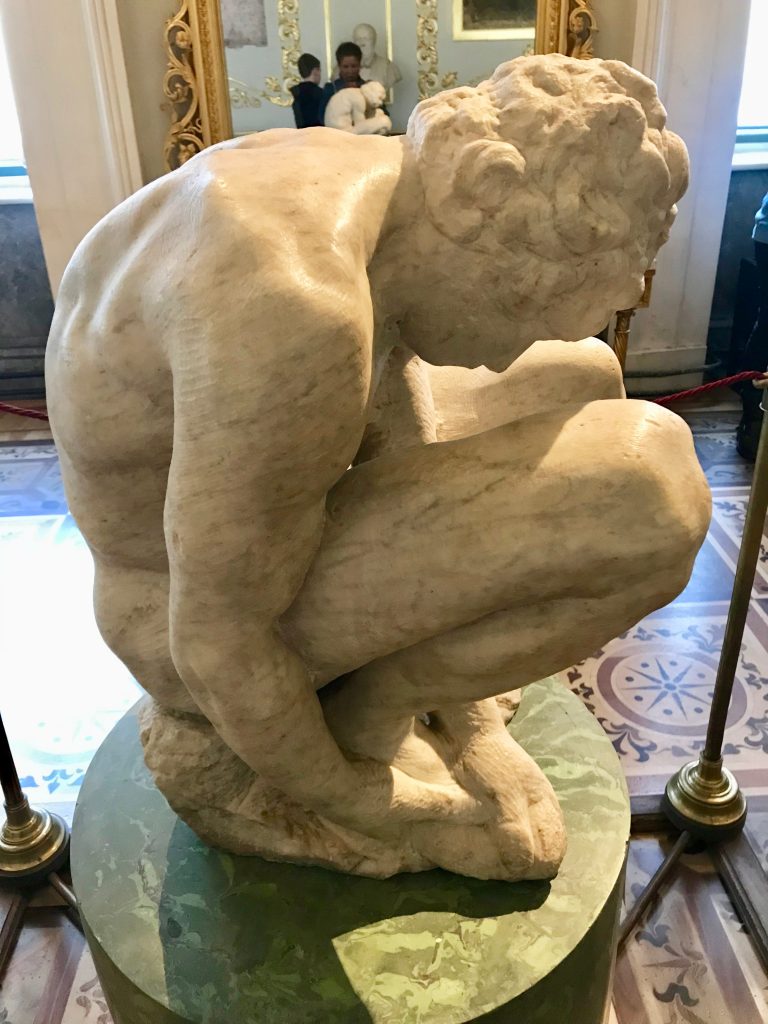
The Crouching Boy- by Michelangelo
This unfinished sculpture by Michelangelo is one of the Hermitage’s most captivating pieces. Despite being incomplete, the detail is extraordinary, even the muscles in the back seem to come alive. I found myself walking around it, taking in every angle. I absolutely loved it.
Renaissance & Italian Masters
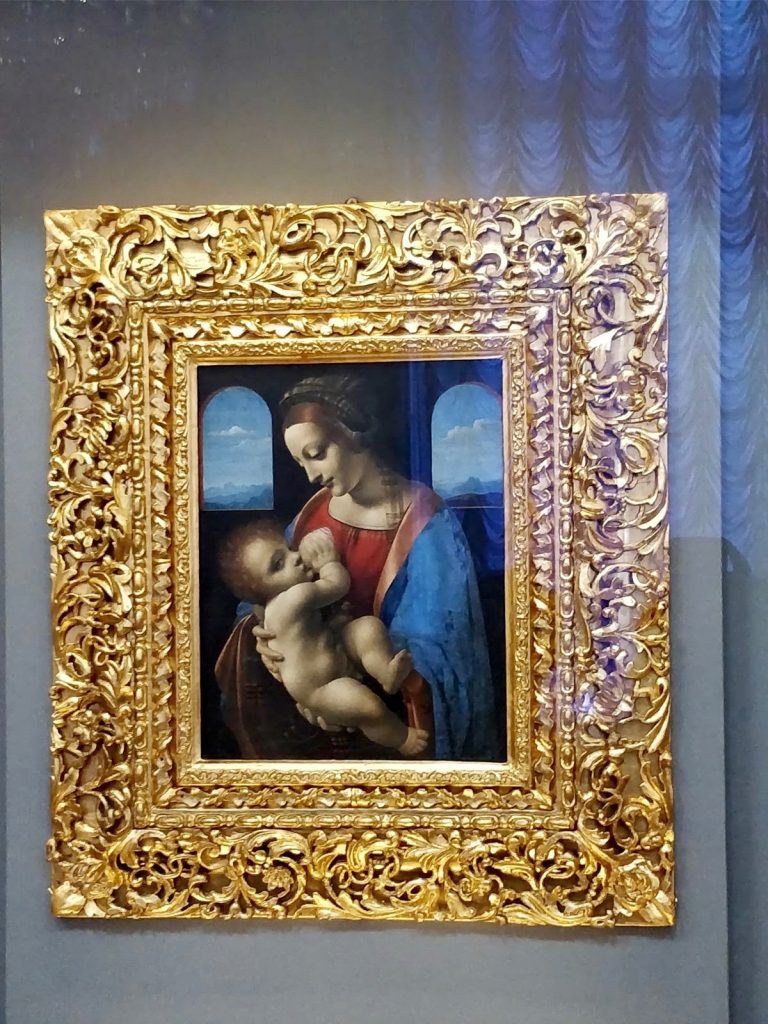
Madonna and Child by Leonardo Da Vinci
These timeless works reflect the beauty, balance, and quiet emotion of the Italian Renaissance.
This is a truly beautiful painting — simple, yet deeply moving. It stood out to me for its softness and sense of connection between mother and child. It felt calm, intimate, and full of quiet emotion. I could have stayed here much longer.
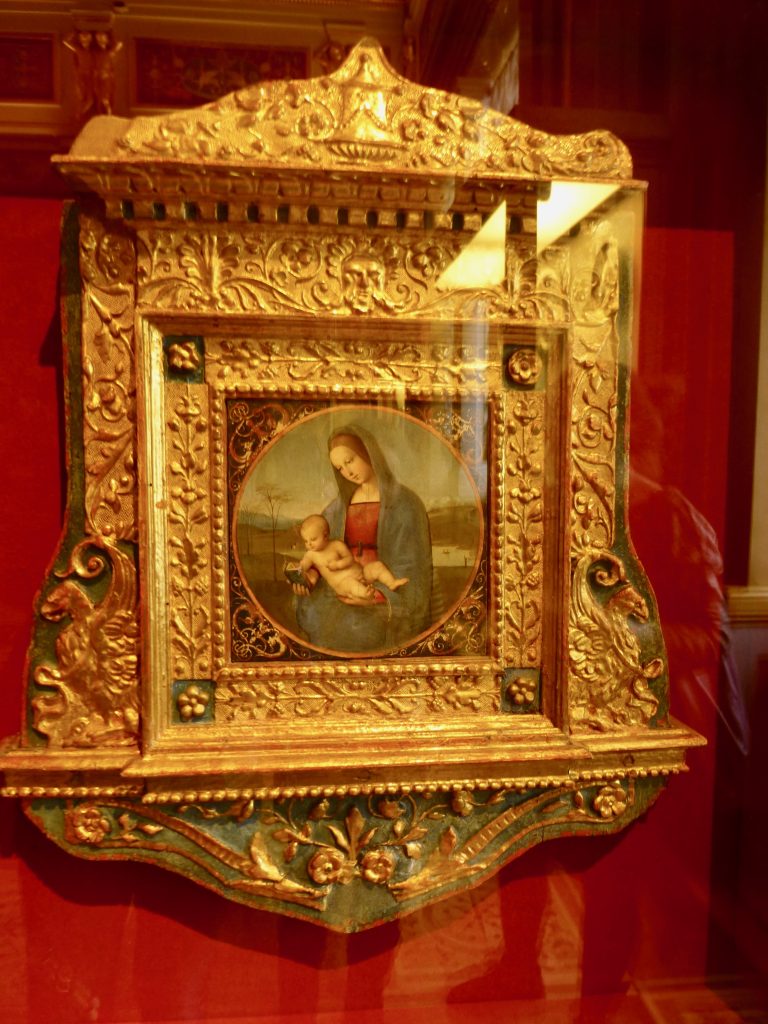
Conestabile Madonna by Raphael
Conestabile Madonna by Raphael
One of Raphael’s early works, this small and delicate painting has a gentle charm of its own. It was originally acquired in 1870 and later became part of the Hermitage collection. Despite its size, it draws you in.There’s a simplicity and grace that makes it quietly captivating.
Masterpieces That Stayed With Me
These were the works I found myself returning to,each one completely captivating.
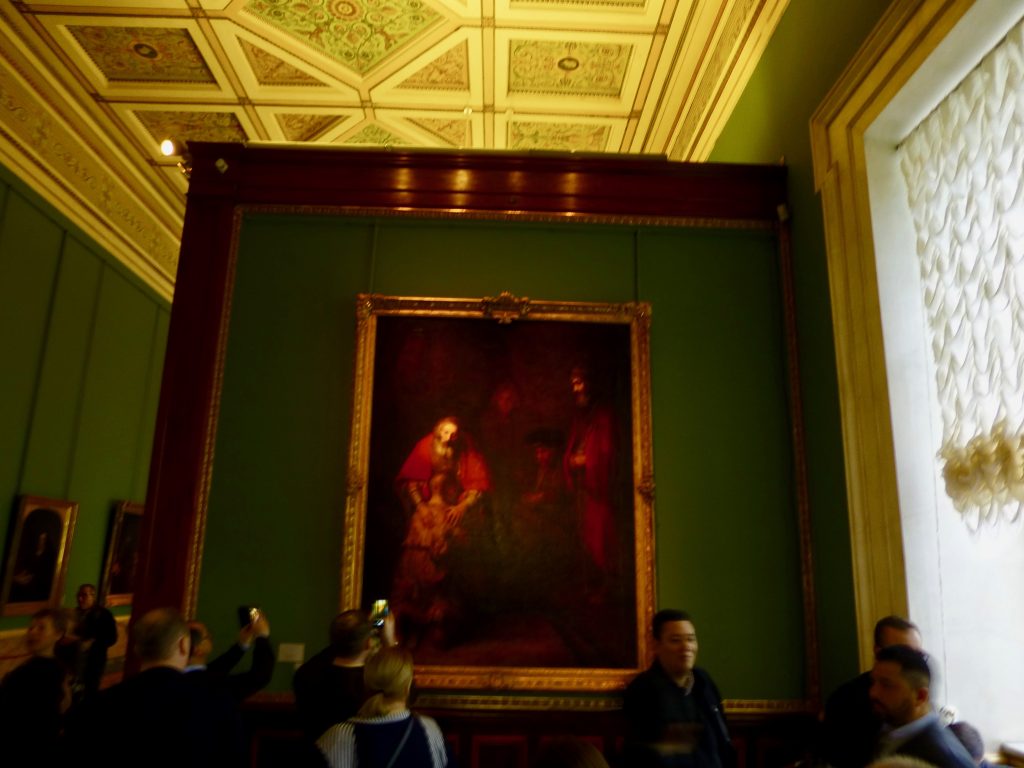
The Return of the Prodigal Son by Rembrandt
This is said to be one of Rembrandt’s final works, and it is widely regarded as one of the greatest paintings in the Hermitage. Standing in front of it, I could immediately see why.It draws you in quietly, yet powerfully. It was stunning, and it didn’t fail to attract a constant crowd of admirers. I found myself standing here longer than I expected. My photo doesn’t do it justice.
The Return of the Prodigal Son by Rembrandt
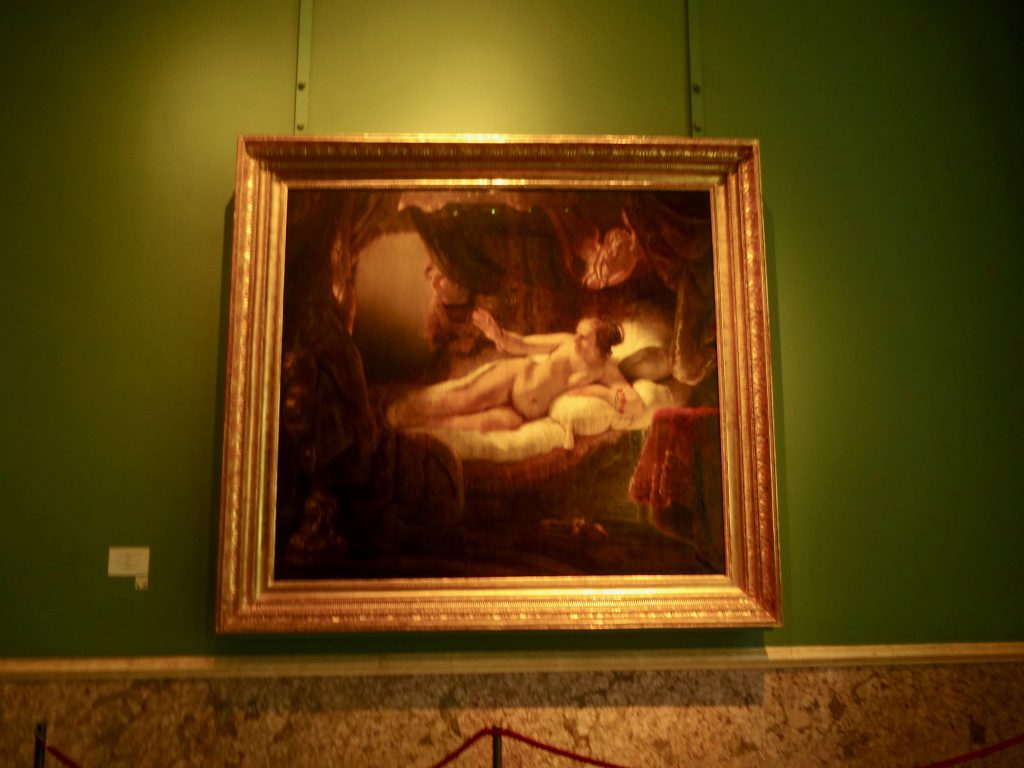
Danaë by Rembrandt
One of Rembrandt’s most famous and striking works, Danaë has a fascinating history. It was purchased by Catherine the Great in 1770 and has been part of the Hermitage collection ever since. The painting was sadly vandalised in 1985 and took 12 years to restore.It is now protected by armoured glass. Even so, it remains a beautiful and compelling masterpiece.
Danaë by Rembrandt
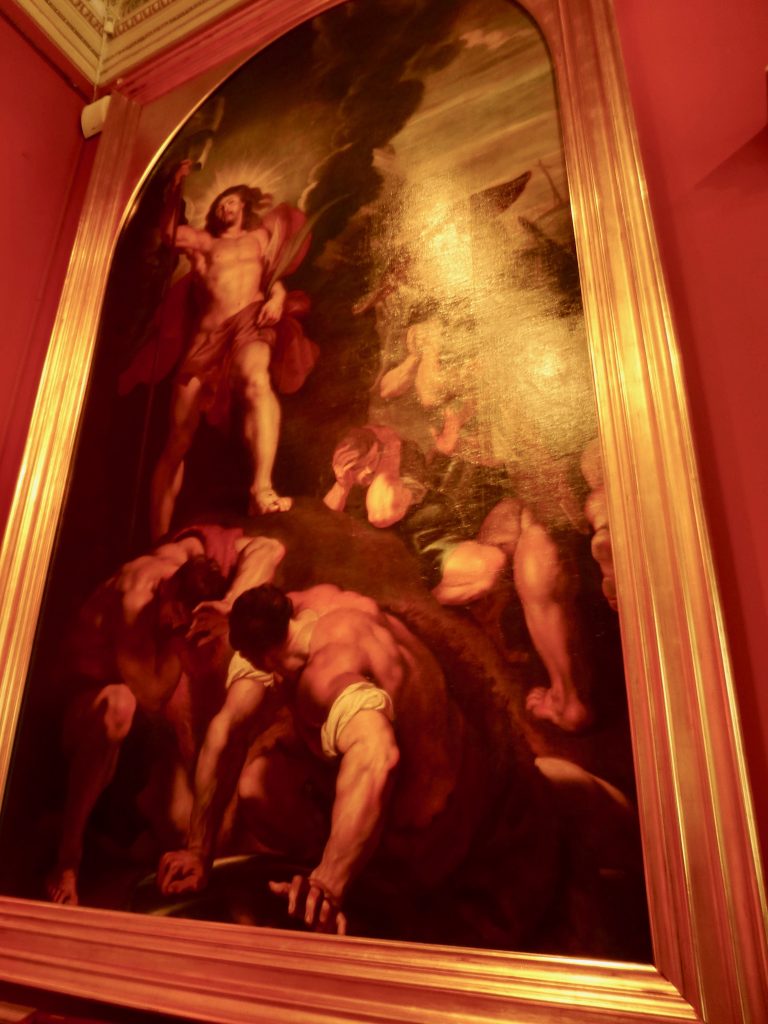
The Resurrection of Christ by Rubens
The Resurrection of Christ by Rubens
Catherine II purchased this painting in 1610 and it is reported that The Resurrection was never completed. The Hermitage restored it, and this took around 3 years to do. It is a huge and beautiful painting. The light in the room reflected on it even without using a flash.
Spanish Masters
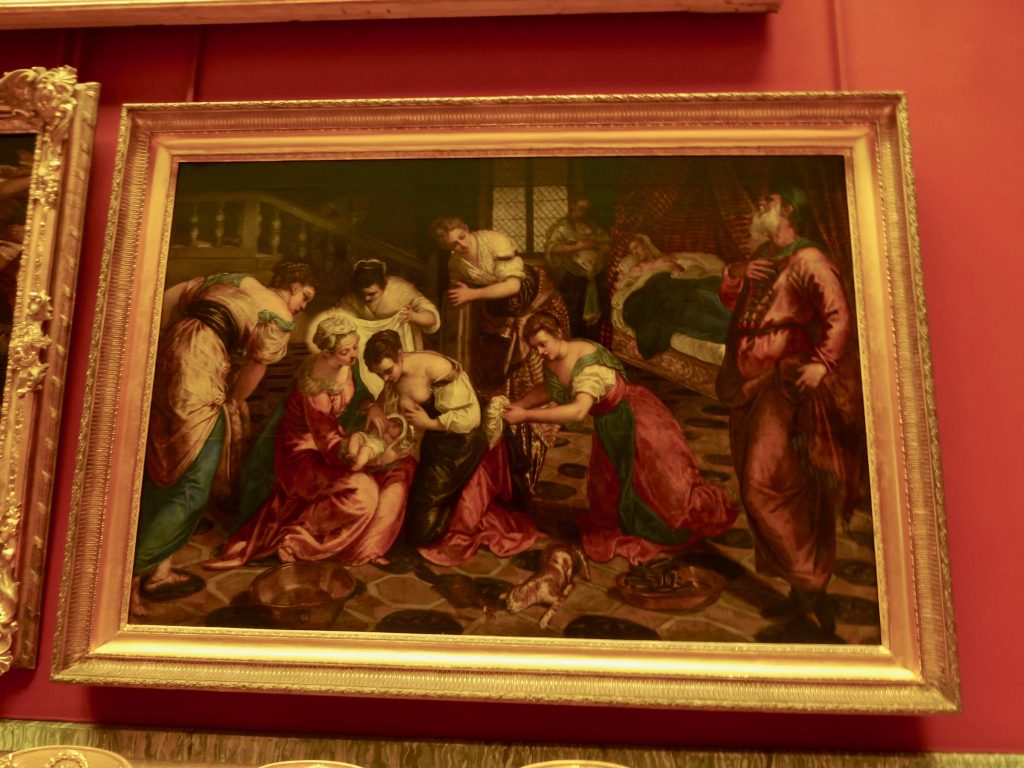
The birth of Saint John the Baptist by Jacopo Robusti
The birth of Saint John the Baptist by Jacopo Robusti
This is truly a beautiful painting, and the only one in the Hermitage Museum by this Painter who is reported as the last great master of the Italian Renaissance. He is also called Jacopo Tintoretto. The rest of his works remain in Venice.
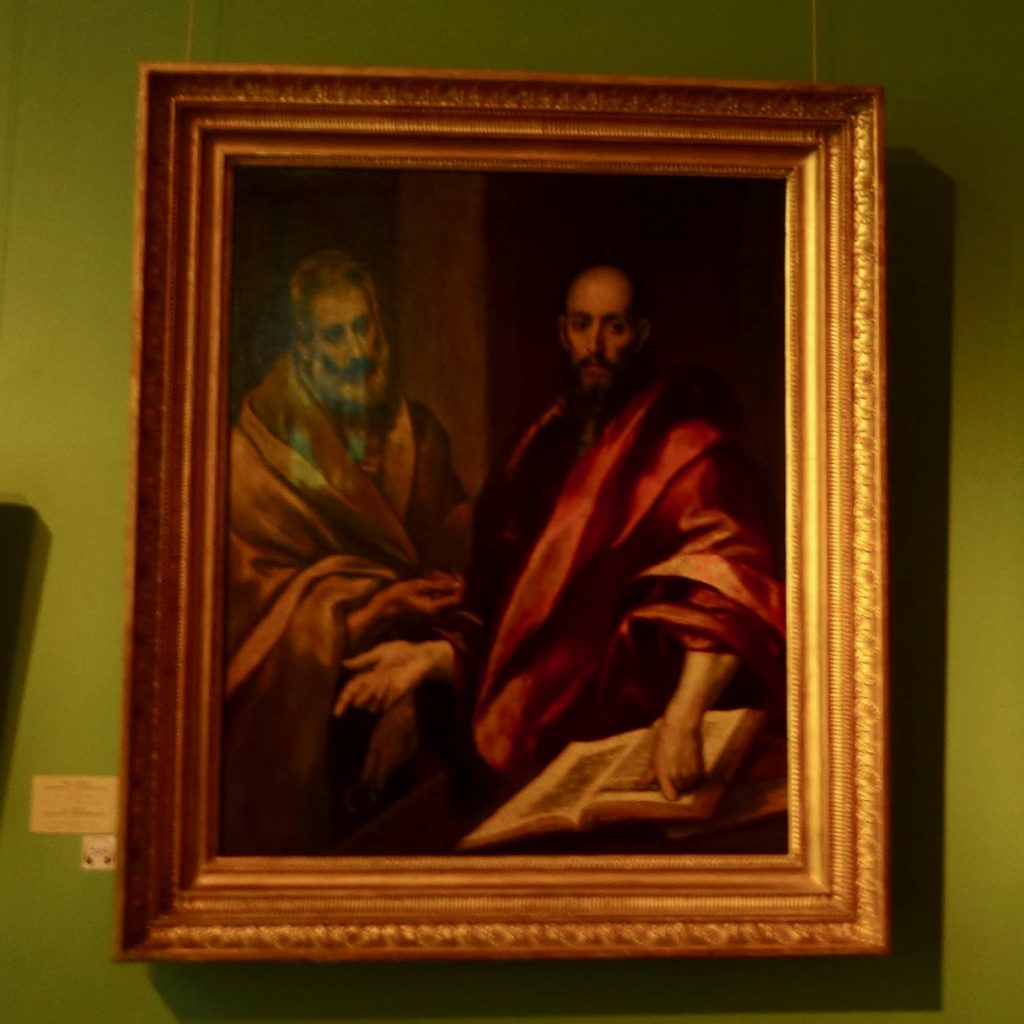
Saints Peter and Paul the Apostles by El Greco
This striking painting is displayed in the Spanish Cabinet of the New Hermitage Museum — a smaller, more intimate room tucked beside the grand galleries.
The contrast between the two figures immediately draws you in. Their poses feel open to interpretation. Some see a clear distinction in strength — Paul, wrapped in a bold red cloak, appearing more dominant, while Peter, in softer tones, feels quieter and more subdued.
For me, it tells a slightly different story.
I see Peter as wise, calm, and reflective — a man grounded in experience. Beside him, Paul feels more ambitious, perhaps even eager to prove himself — an educated man asserting his place and importance.
And that’s what makes this painting so compelling. It invites you to look a little longer and decide for yourself.
What do you see?
Let’s Stay Connected!
Never miss a single story. Sign up for my newsletter, and let’s find out where the next adventure takes us. Inspiring you to experience the world, one journey at a time.
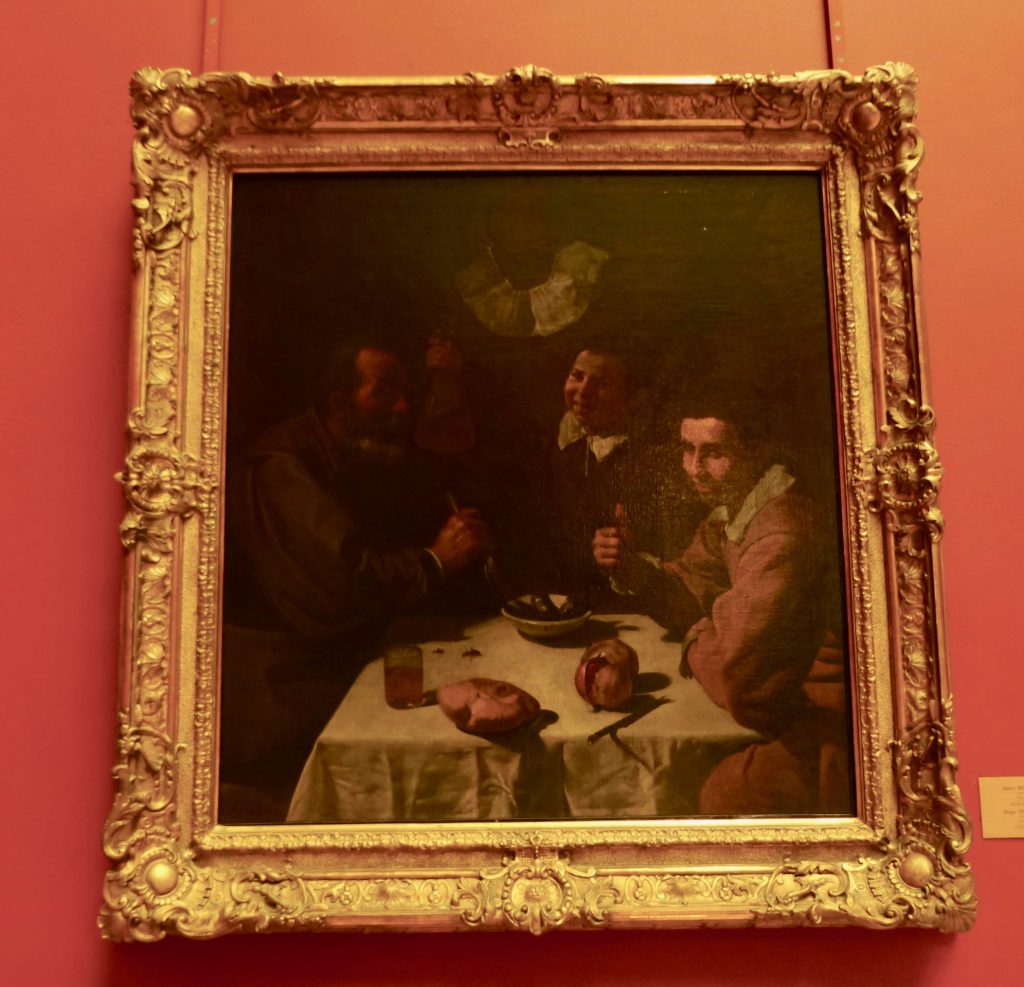
The Lunch by Velázquez
Our tour guide drew our attention to this painting and asked a simple question: what do you see? It quickly became a point of interest, attracting several curious visitors.
At first glance, it’s a simple scene — three people sharing a modest meal. An older man sits on the left, a younger man on the right. Between them, in the background, a boy pours wine into a jug.
But look a little closer.
Just behind the boy, there appears to be another figure… or is there? It’s actually a clever play of light and shadow — a subtle illusion that makes you question what you’re seeing.
I love paintings like this — simple, yet quietly intriguing.
Do you see it too?
Saints Peter and Paul The Apostles by El Greco
The Lunch by Velázquez
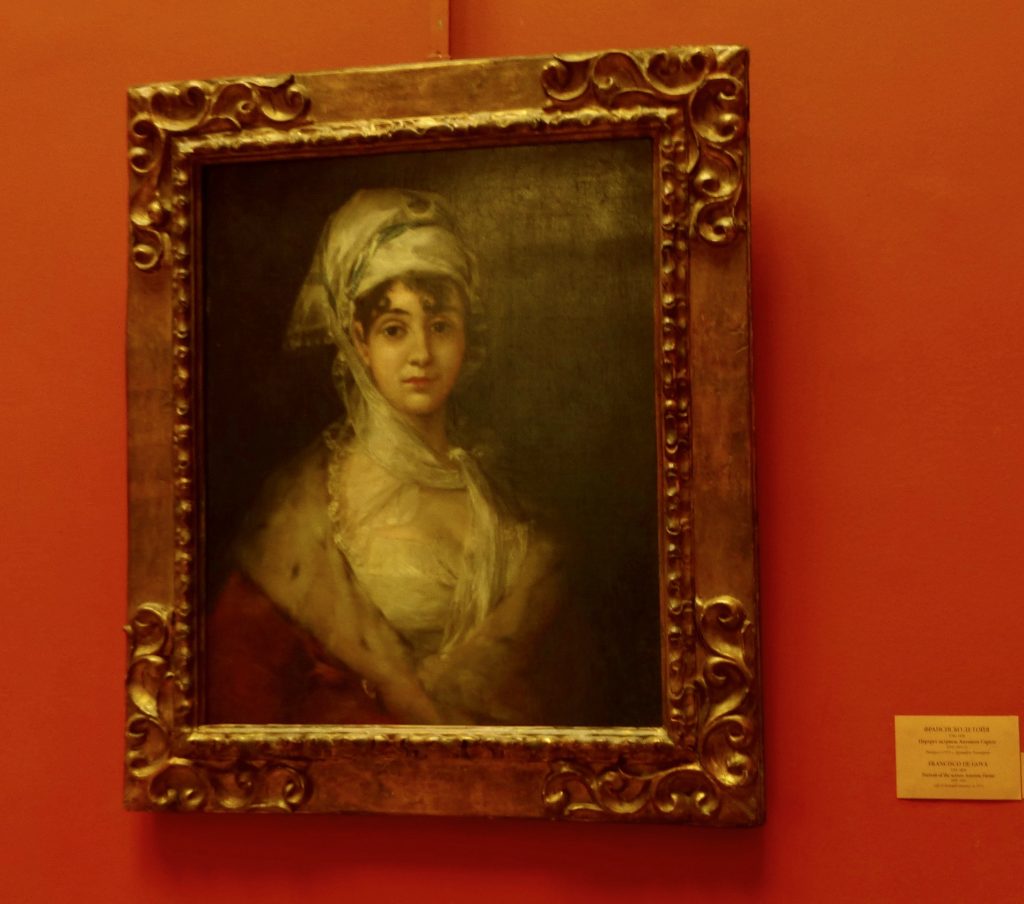
Portrait of Antonia Zárate by Goya
This is the only painting by Goya in a Russian collection, now housed in the Hermitage Museum, and it’s one that stayed with me.
There’s something quietly captivating about her.
Her expression feels both playful and poised,perhaps even a little seductive, yet with a hint of innocence. It’s hard to define, and that’s exactly what draws you in.
I found myself standing there longer than I expected, simply taking it in.
Sometimes, a painting doesn’t need to be grand or dramatic. It just needs to hold your attention. And this one certainly does.
Portrait of Antonia Zárate by Goya
Unique & Unexpected Highlights
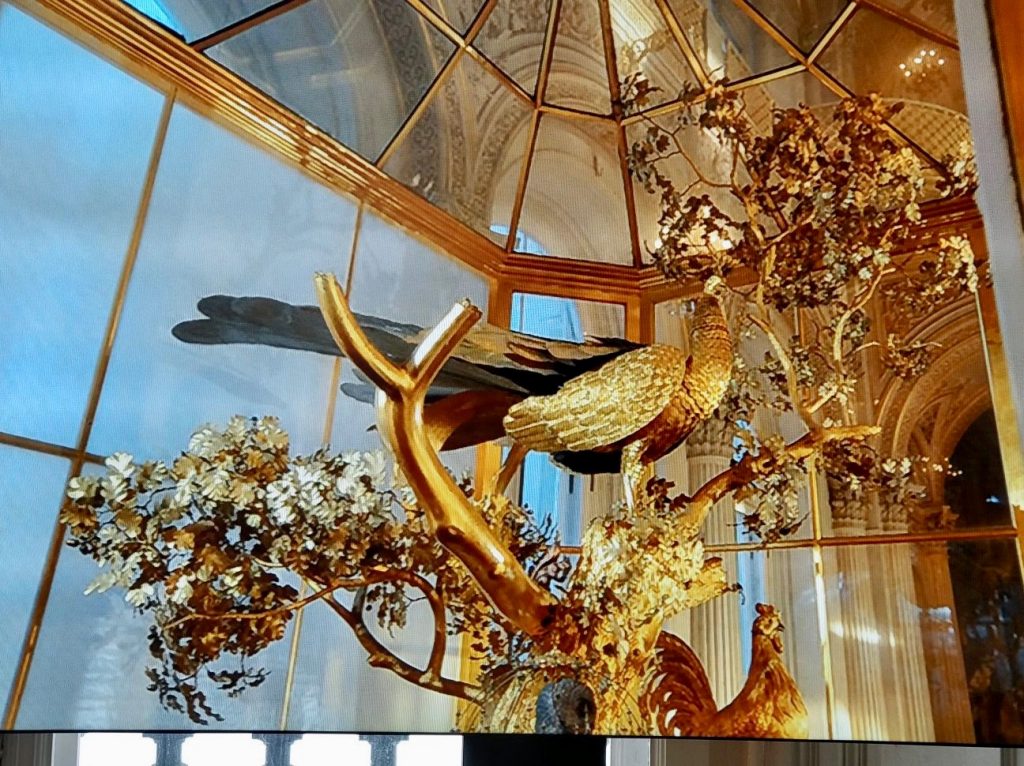
The Peacock Clock
This famous clock is located in the Pavilion Hall of the Small Hermitage and is truly something special. Created by the English clockmaker James Cox, it features three mechanical golden birds — a peacock, a rooster, and an owl.
We were lucky enough to see it in motion, and it was mesmerising. As the hour struck, the peacock slowly unfurled its magnificent tail, drawing a quiet sense of wonder from everyone watching. It was one of those unexpected moments that stayed with me long after the visit.
The Famous Peacock Clock
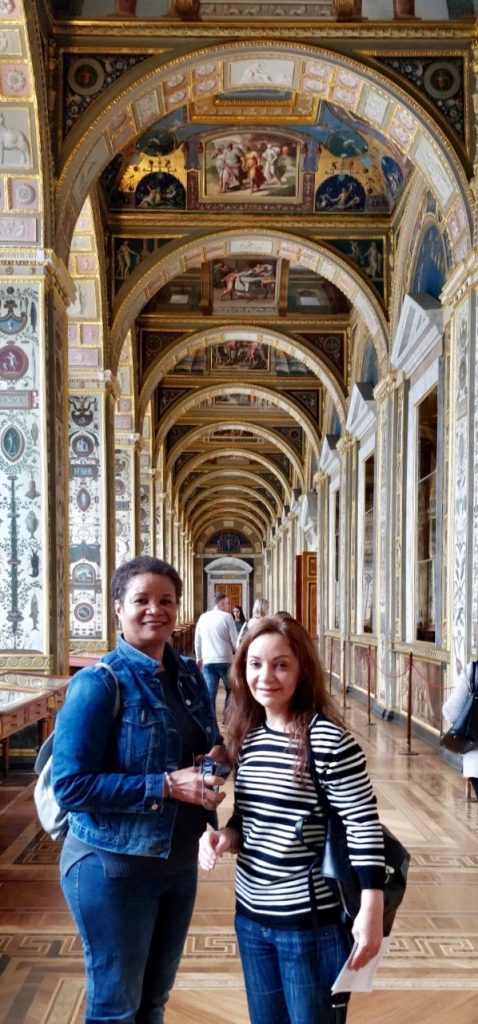
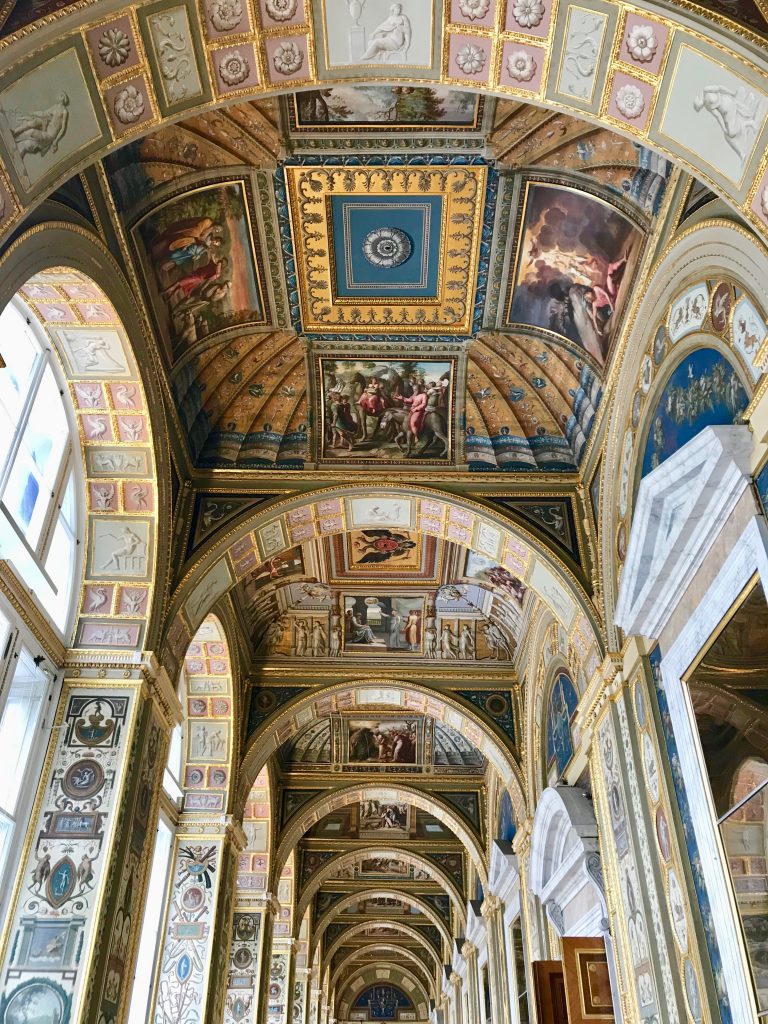
The Raphael Loggias
The Loggias of the New Hermitage was created for Catherine II in the 1780s and it is a copy of the one in the Vatican Palace in Rome that was frescoed from sketches by Raphael. The vaults of the gallery contain a cycle of paintings on subjects from the Holy Scriptures, that are collectively know as “Raphael’s Bible”. It was very beautiful but there was a lot to take in!
The Raphael Loggias
The Raphael Loggias
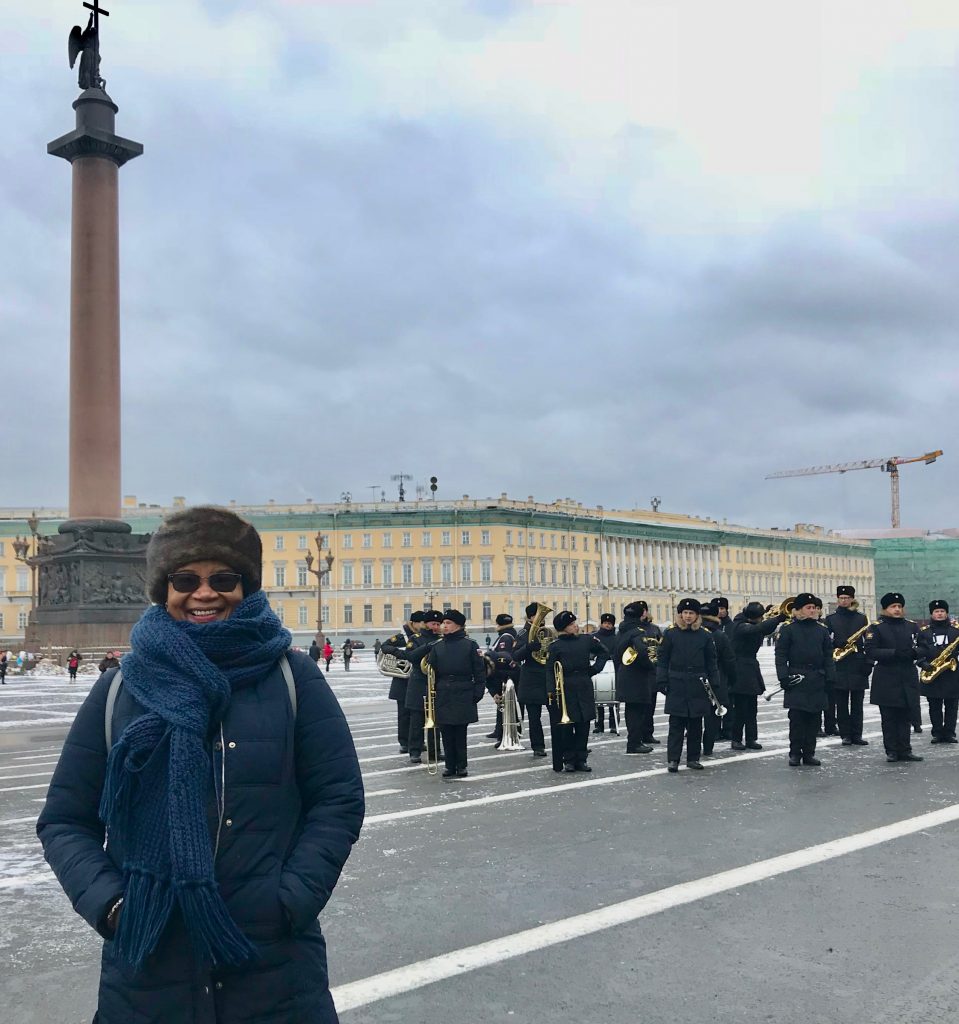
As we stepped out onto Palace Square, we were treated to an unexpected surprise — a military band rehearsing for Russia’s Victory Day celebrations. It added a wonderful sense of atmosphere to the visit, and no one seemed to mind us stopping to watch and take photos. Moments like these are often the ones that stay with you.
Closing thoughts
If you are an art lover — or simply appreciate beautiful things — the Hermitage Museum is an experience not to be missed. I only scratched the surface, and there is so much more to explore. It is a place I would happily return to.



Nice pictures They are Historical Memorable and good adventure God Bless.
Thank you. 🙏🏼