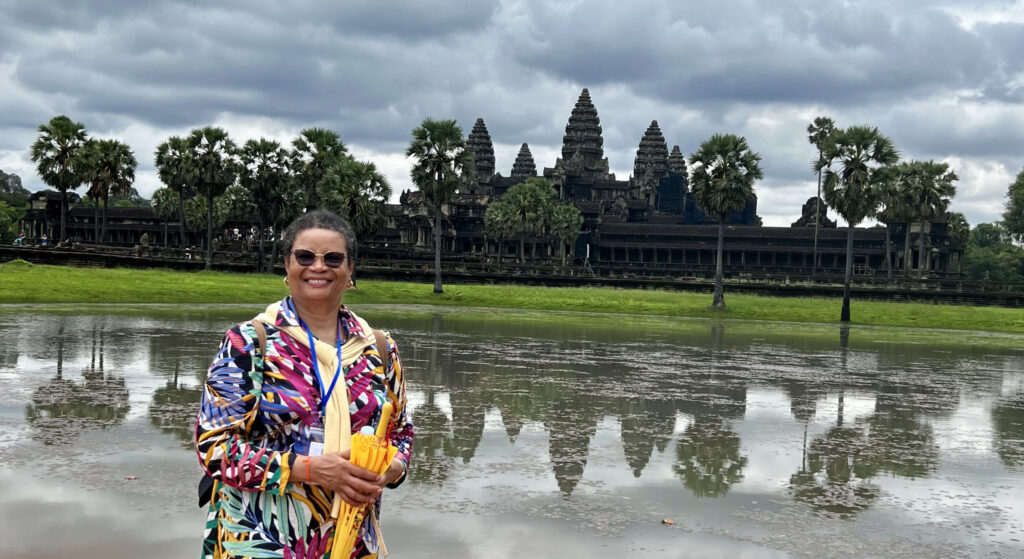
Some places have a reputation so legendary that you wonder whether reality can possibly live up to the photographs. Angkor Wat was one of those places for me.
Often described as the eighth wonder of the world, this vast temple complex had been on my travel wish list for years. As the largest religious monument ever built and the crowning achievement of the Khmer Empire, it attracts millions of visitors every year. I wanted to discover for myself what makes this extraordinary place so unforgettable.
Exploring the Angkor Complex
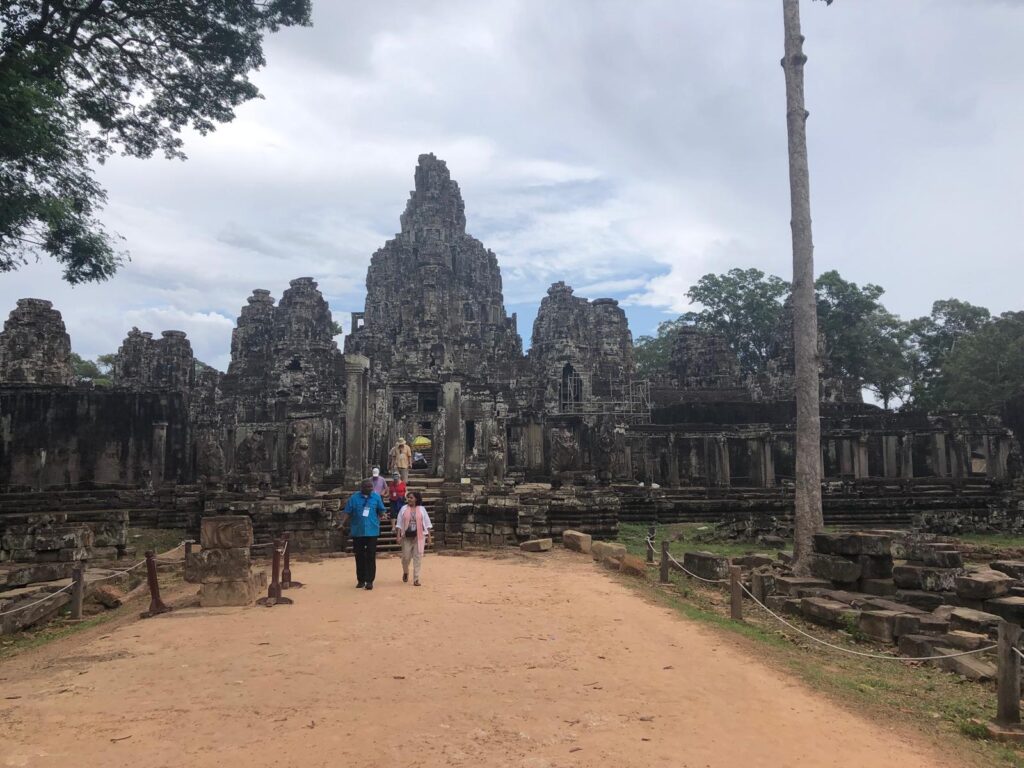
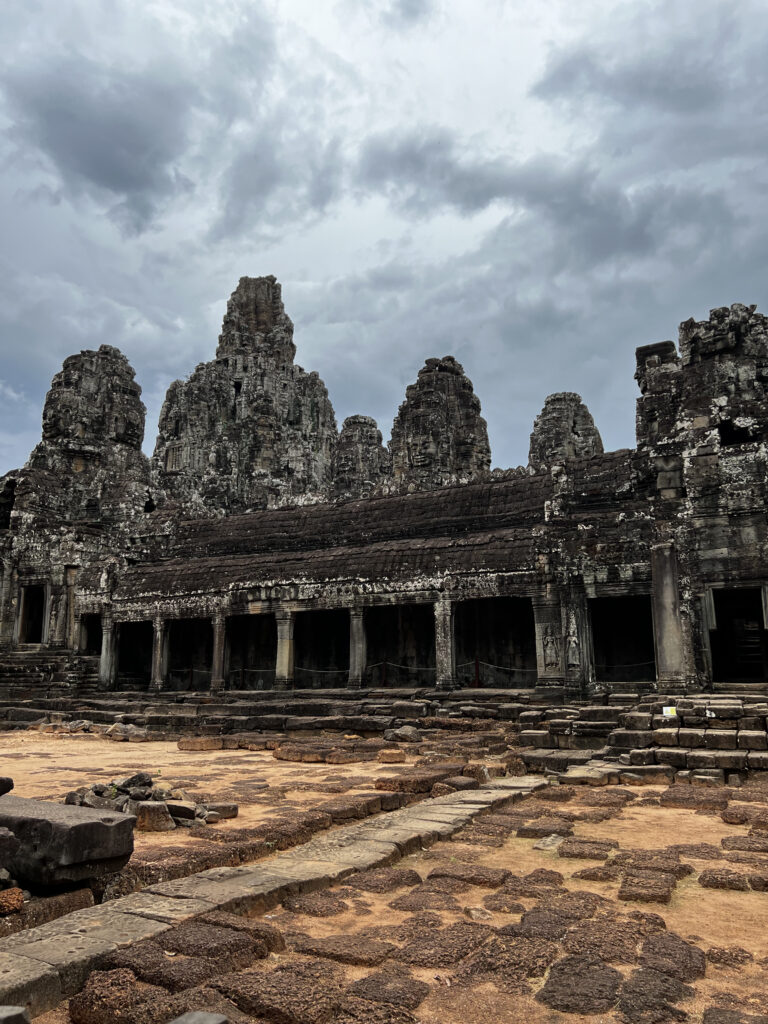
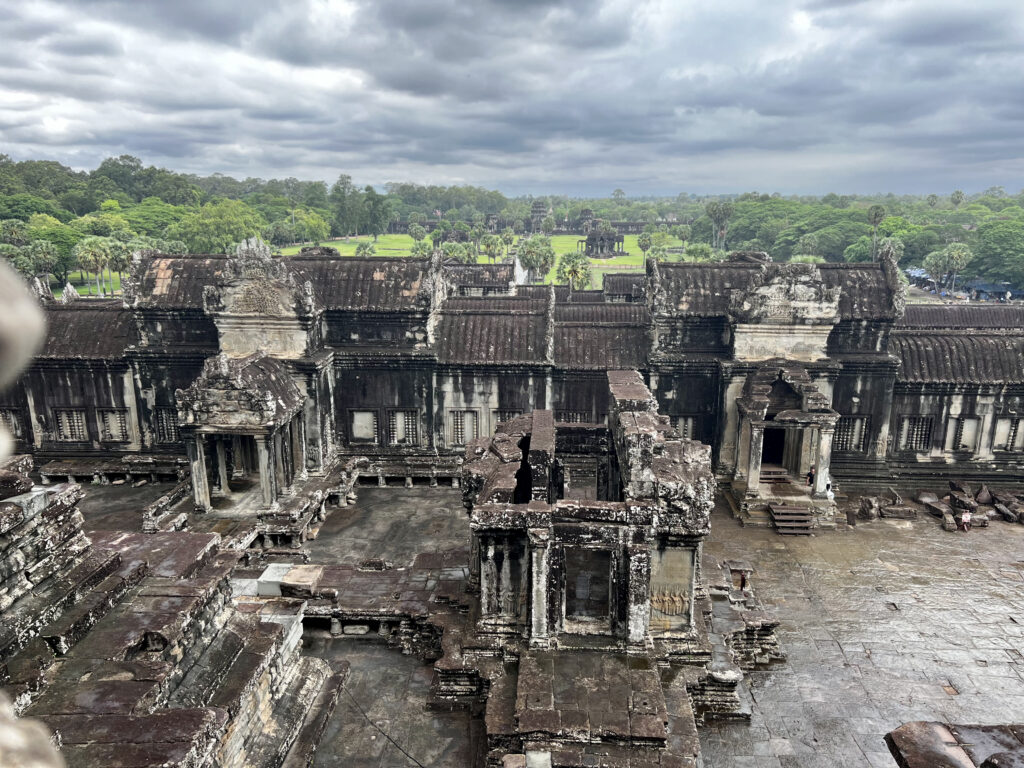
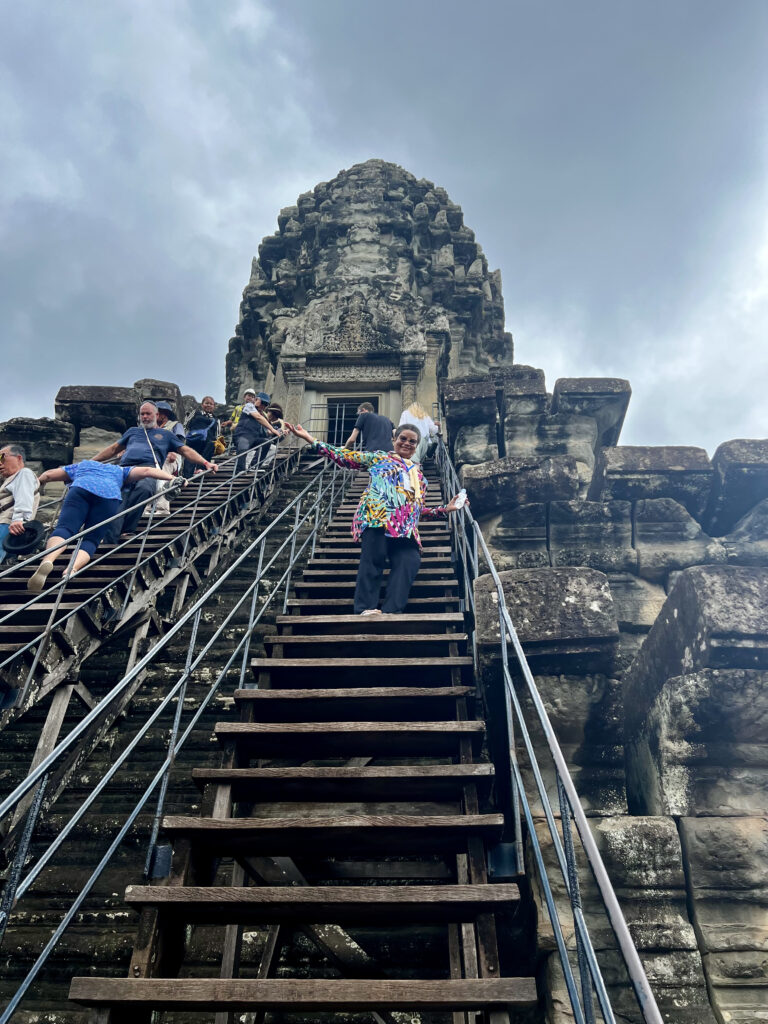
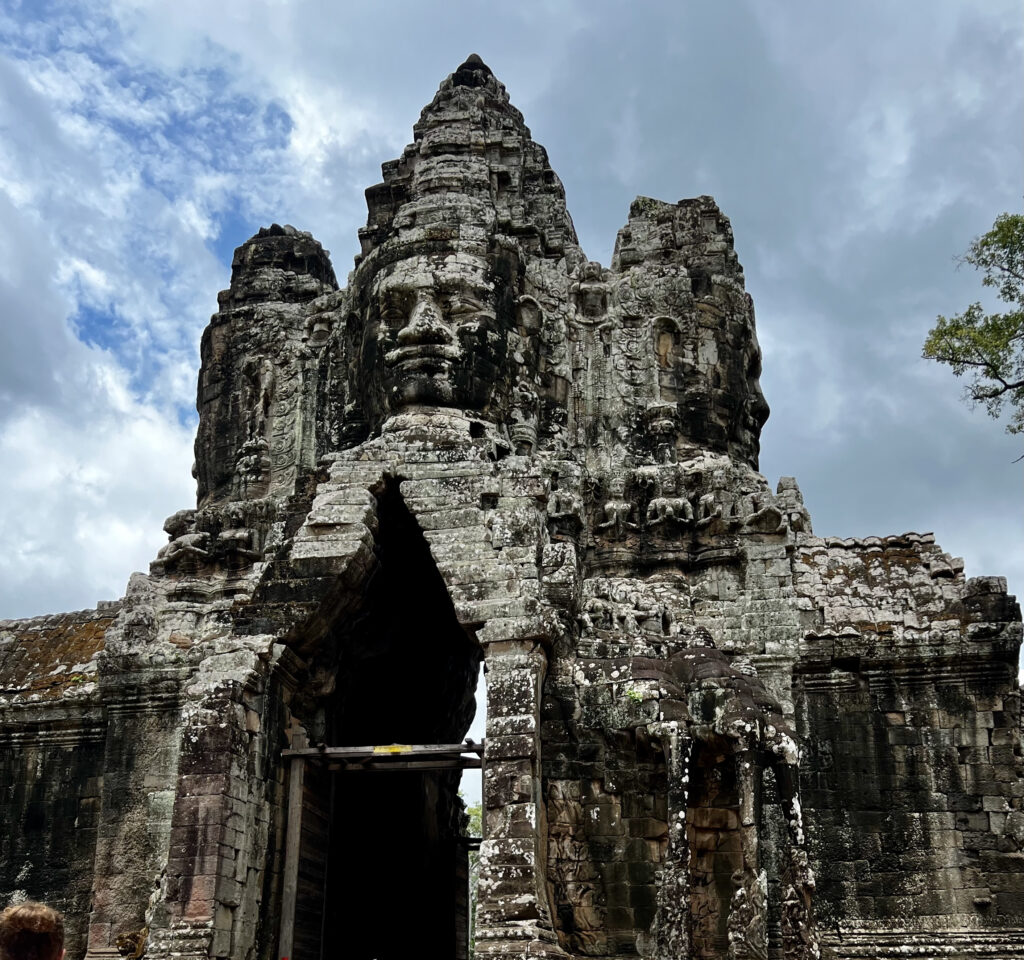
Spread across more than 400 acres within the Angkor Archaeological Park, Angkor Wat is far more than a single temple. Together with remarkable sites such as Bayon, Ta Prohm and Angkor Thom, it offers an extraordinary journey through Cambodia’s history, culture and architecture.
We dedicated an entire day to exploring the complex. Although we arrived early, we just missed the famous sunrise. Even so, watching the temples gradually emerge in the soft morning light was an unforgettable way to begin the day.
Having a knowledgeable local guide made an enormous difference. He brought the ancient stones to life, explaining the stories behind the temples, the symbolism carved into the walls, and the history of one of Southeast Asia’s greatest civilisations.
The Incredible Bas Reliefs
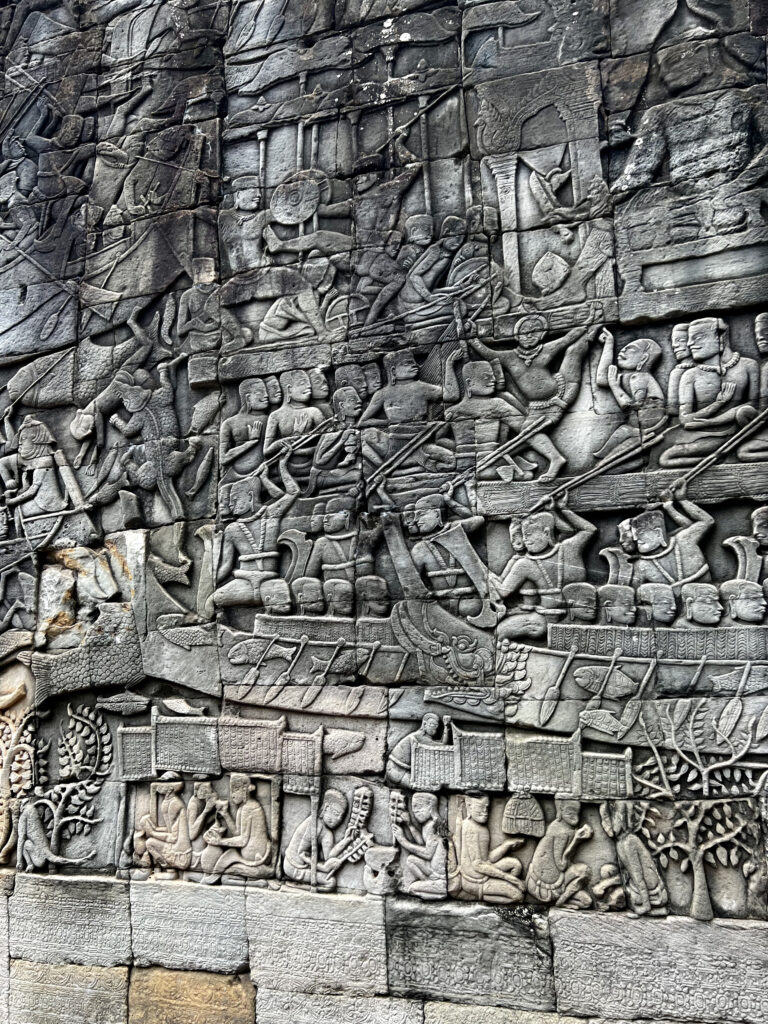
Of everything inside Angkor Wat, I found the magnificent bas reliefs the most fascinating. These intricate stone carvings stretch for hundreds of metres along the temple walls and are remarkable both for their artistic beauty and the stories they tell.
Every panel seemed to reveal another chapter of Khmer history, mythology or everyday life. Our guide pointed out scenes of royal processions, fierce battles and religious ceremonies, helping us appreciate details we would almost certainly have missed on our own.
One of the most famous carvings depicts the Hindu legend of the Churning of the Ocean of Milk, where gods and demons work together to obtain the elixir of immortality. Standing in front of these carvings, it was difficult to imagine they had survived for more than 800 years.
A Personal Blessing from a Monk
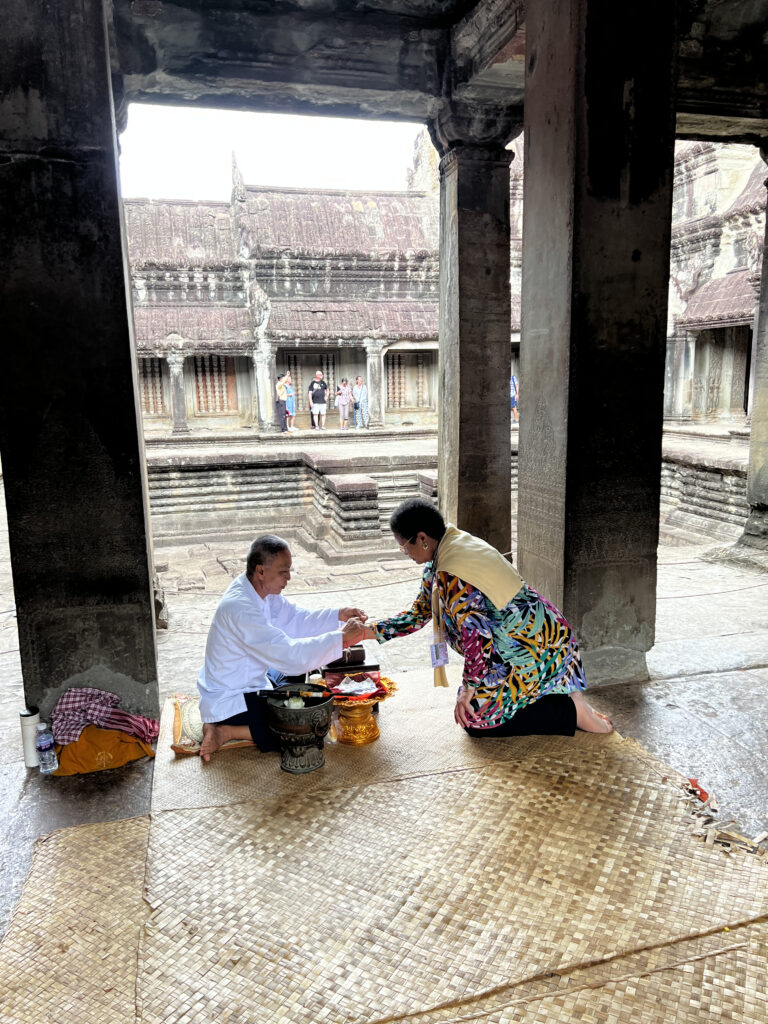
One experience I hadn’t expected was taking part in a private blessing ceremony with a local Buddhist monk. Kneeling quietly on a mat while he chanted prayers and sprinkled holy water over me felt surprisingly peaceful. Afterwards, he tied a sacred thread around my wrist, a traditional symbol of protection and good fortune.
Whether you believe in the spiritual meaning or simply appreciate the tradition, it became one of those memorable travel moments that stays with you long after you’ve returned home.
Watching Angkor Change with Time (restoration)
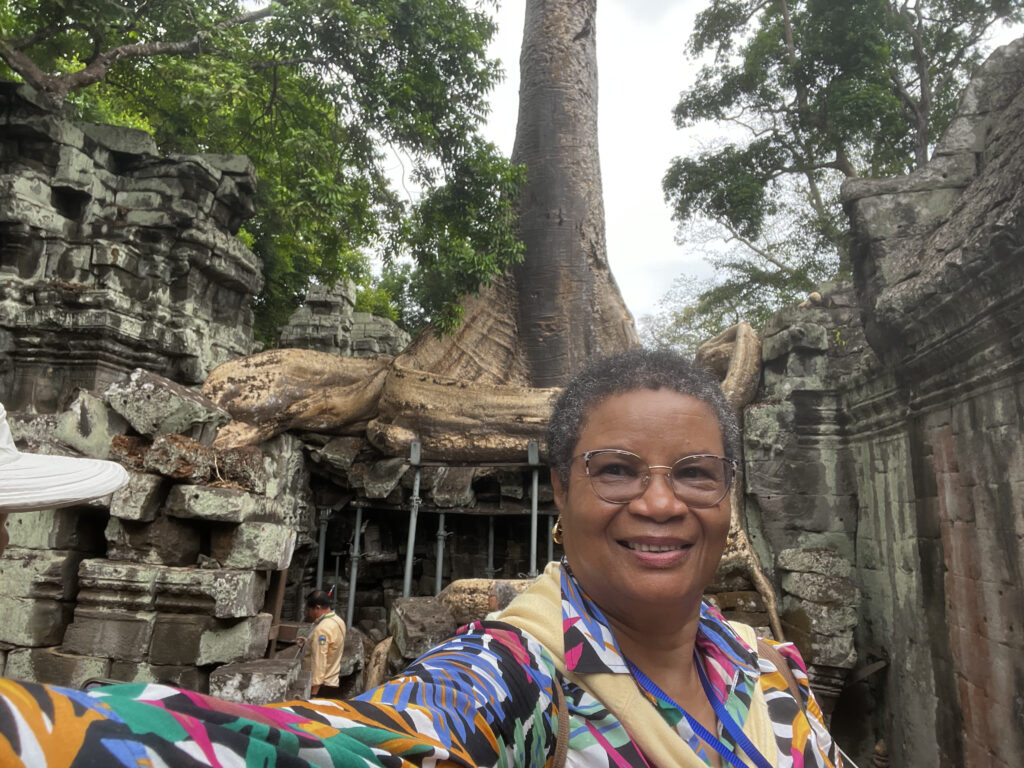
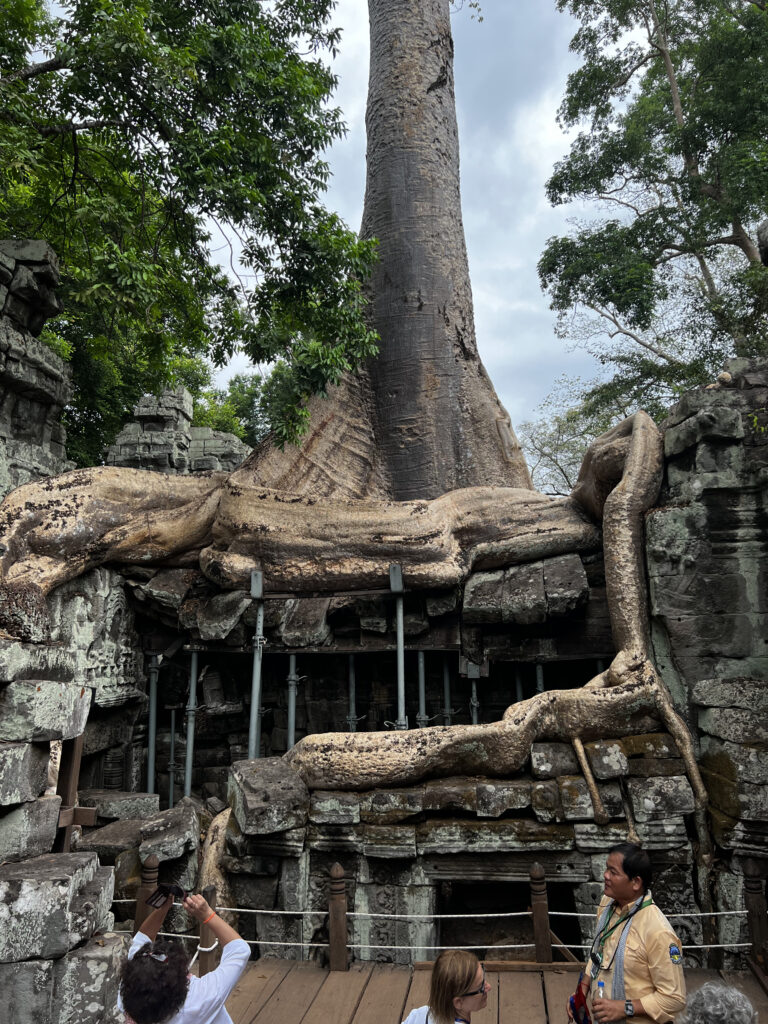
As I explored the site, I could also see evidence of the enormous conservation work taking place throughout the complex. Restoring monuments on this scale is an ongoing challenge, yet the work is carried out with great care to preserve both the historical authenticity and cultural significance of this UNESCO World Heritage Site for future generations.
When Nature Takes Over: The Giant Tree Roots
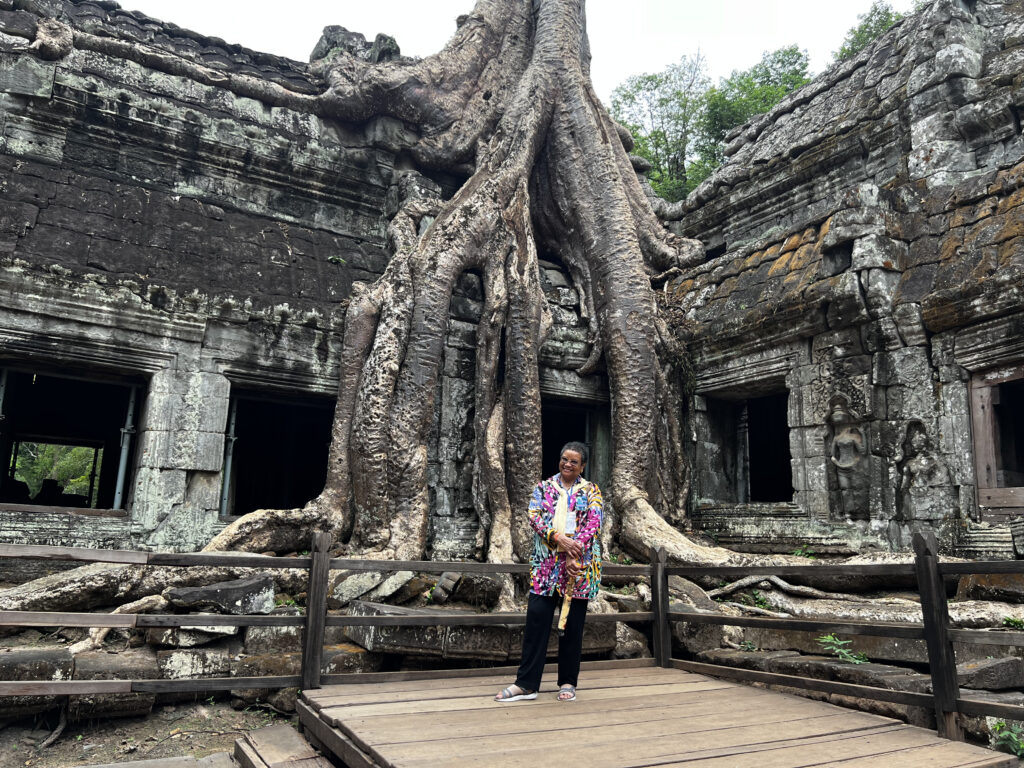
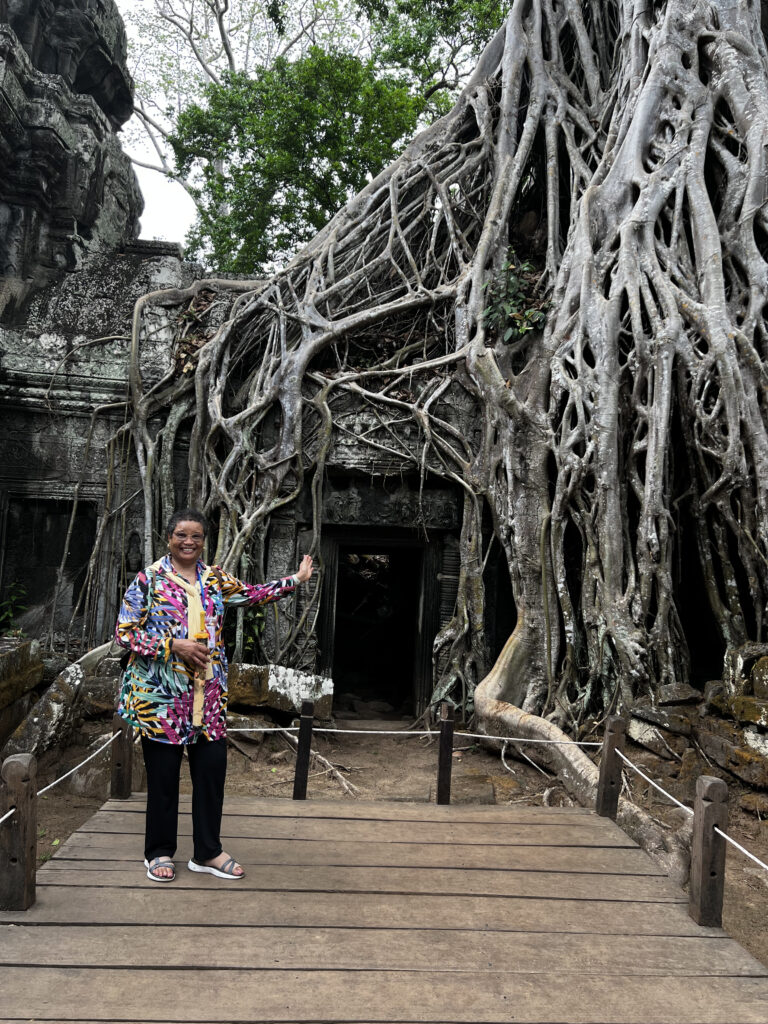
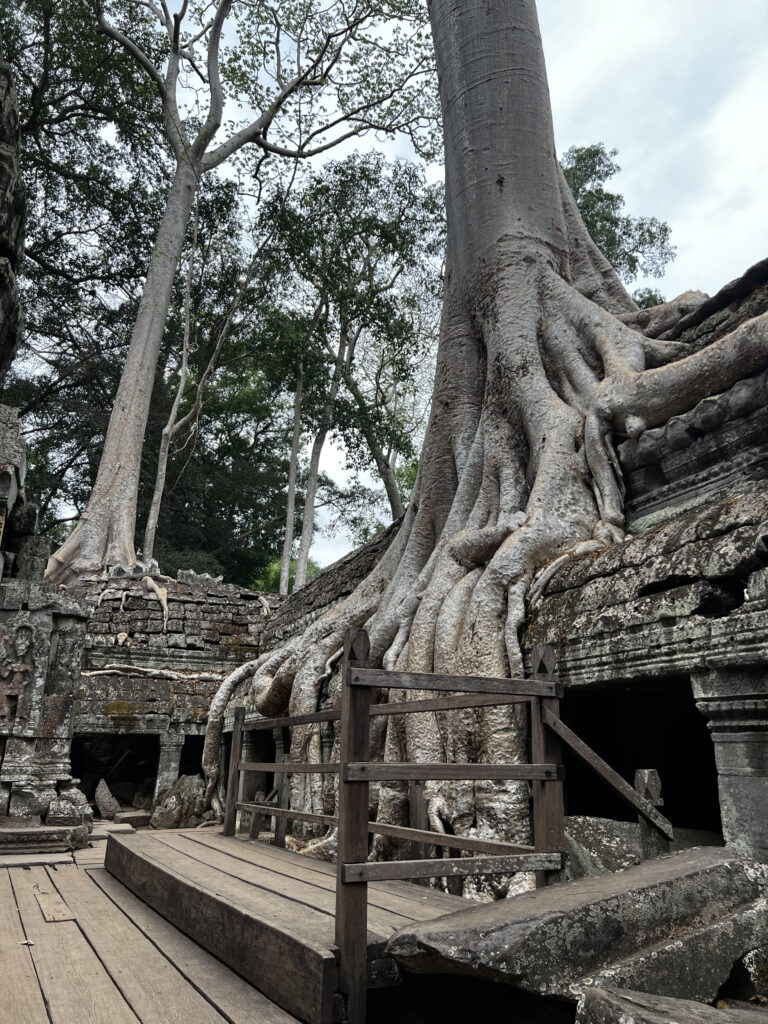
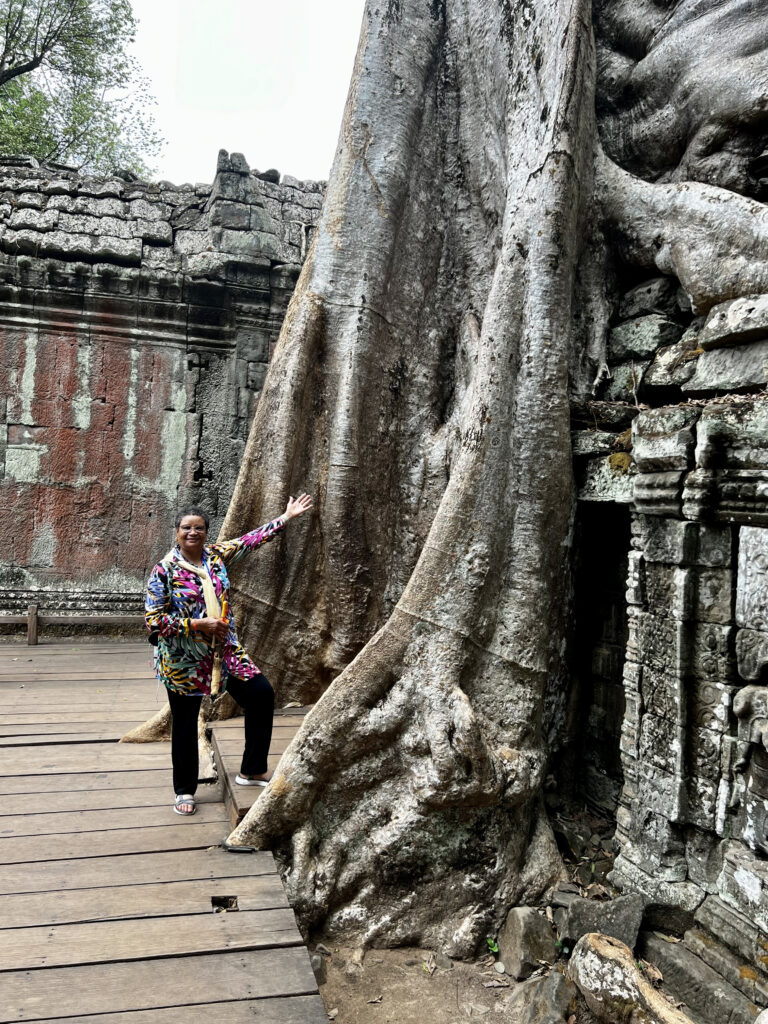
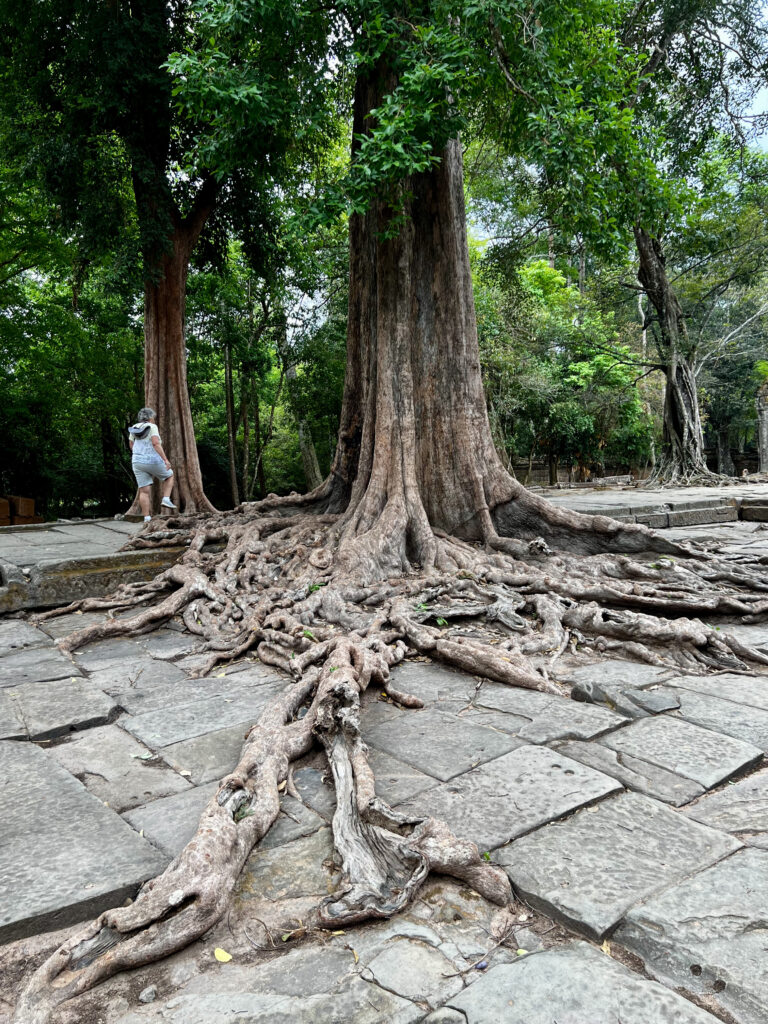
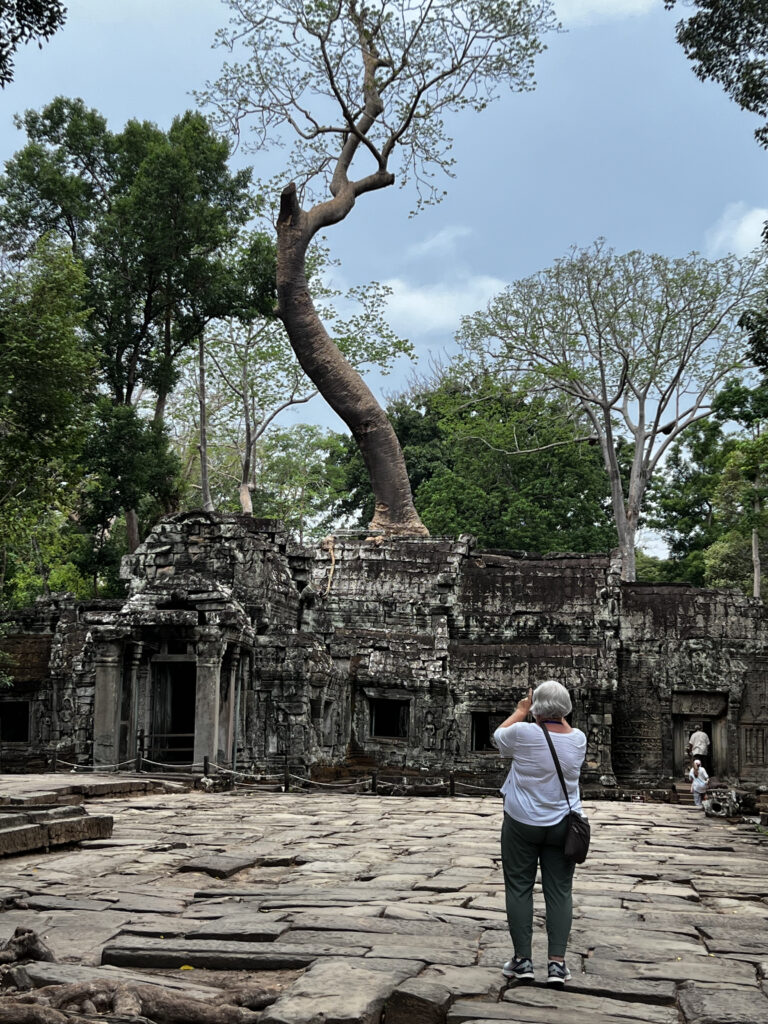
If there was one moment that completely stopped me in my tracks, it was seeing the gigantic tree roots wrapping themselves around the ancient temple walls.
Photographs simply don’t prepare you for their scale. Massive roots twist through doorways, grip huge stone blocks and seem to hold entire buildings together. In some places it almost feels impossible to tell where nature ends and the temple begins.
Our guide explained that one of the most famous trees had appeared in the Tomb Raider film starring Angelina Jolie. Unsurprisingly, it had become one of the most photographed spots in the complex.
For me, though, it wasn’t the film connection that made it special. It was the extraordinary relationship between nature and history. Over hundreds of years, the trees haven’t simply invaded the ruins, they’ve become part of them. The roots seemed to tell their own story of patience, resilience and the unstoppable passage of time.
Of everything I saw at Angkor, these remarkable trees are what remain most vividly etched in my memory.
Final Thoughts
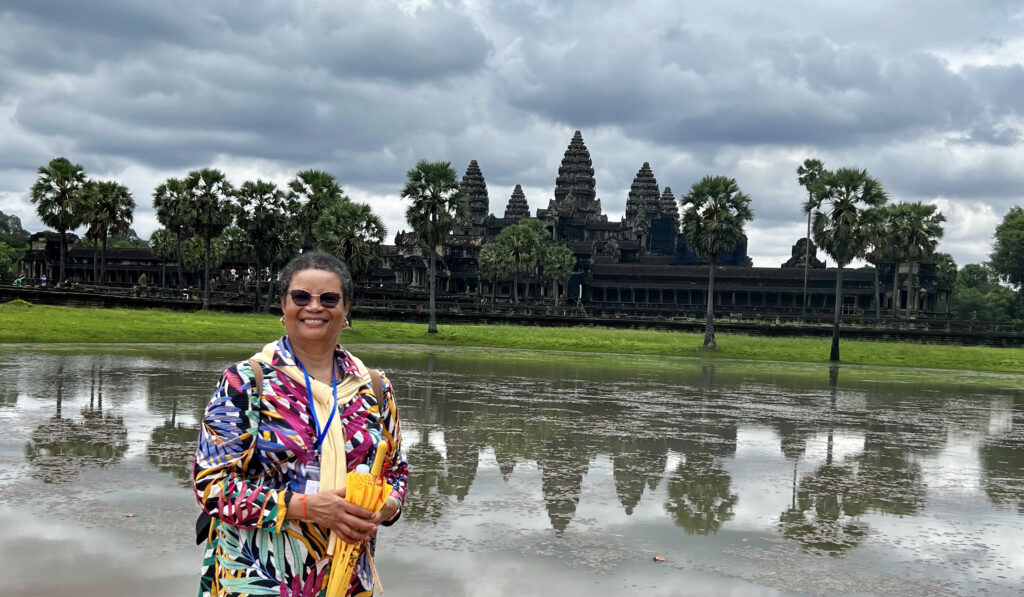
As the afternoon drew to a close, I spent a little time beside the famous reflection pond watching the changing light dance across the temple towers. It was a peaceful way to end a remarkable day.
Angkor Wat is much more than an architectural masterpiece. It is a place where history, religion, art and nature exist side by side in extraordinary harmony. From the intricate bas reliefs and sacred blessings to the giant trees embracing centuries-old stonework, every corner seemed to tell another story.
It’s easy to understand why Angkor Wat is considered one of the world’s greatest archaeological treasures. Visiting it was every bit as inspiring as I had hoped, and an experience I’ll never forget.
Explore More About Cambodia
This article is part of my Cambodia collection. You may also enjoy:
Have you visited Cambodia? I’d love to hear about your experience or any tips you’d add in the comments below.
Let’s Stay Connected!
Never miss a single story. Sign up for my newsletter, and let’s find out where the next adventure takes us. Inspiring you to experience the world, one journey at a time.









So amazing and beautiful places to visit
Oh yes – they where wonderful countries to visit – an unforgettable experience.