There were many reasons why I wanted to visit Brazil, not least to see the iconic Christ the Redeemer in Rio de Janeiro. It had been high on my bucket list for a long time and seeing it for myself meant ticking off another of the Seven Wonders of the World.
But surprisingly, Christ the Redeemer was not the highlight of this particular South American adventure. That honour went to the magnificent Iguazú Falls, which I visited during the same trip and which completely blew me away.
I had booked my trip to Argentinaand Brazil through a tour company, which arranged the flights, transfers, hotels and some sightseeing. When I am travelling through more than one country, I sometimes find this an easier way of organising everything, particularly where there are different languages, currencies and internal flights to navigate.
And there was certainly a long journey before the adventure could begin.
A rather unusual journey to South America
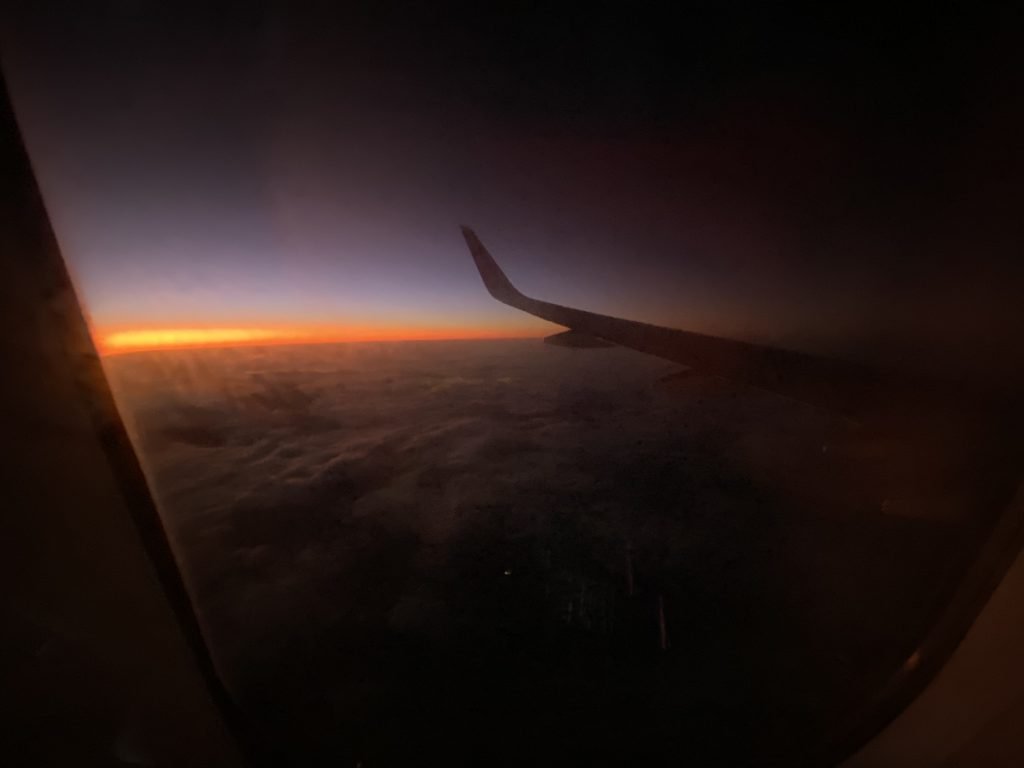
My journey from London Heathrow to Buenos Aires took around 16 hours, including a stop in São Paulo.
Something rather amusing happened during the stop. While some passengers disembarked, a team of aircraft cleaners suddenly descended on us.
Normally, of course, you expect an aircraft to be cleaned when it is empty. Not this time!
One person collected headphones, another picked up rubbish and someone else hoovered around us. Everyone had a job and they worked incredibly quickly. Within what seemed like minutes they had disappeared, new passengers boarded and we were off again.
It was one of those little travel moments that you don’t expect and somehow remember years later.
After spending time in Argentina, I continued to Rio de Janeiro.
I arrived at a particularly interesting time. Brazil was preparing for the 2022 FIFA World Cup and was also in the middle of a fiercely contested presidential election between Luiz Inácio Lula da Silva and the incumbent president, Jair Bolsonaro.
Football, flags and politics seemed to be everywhere. But I had arrived with my own list of things I wanted to see in Rio, so off I went.
Copacabana Beach
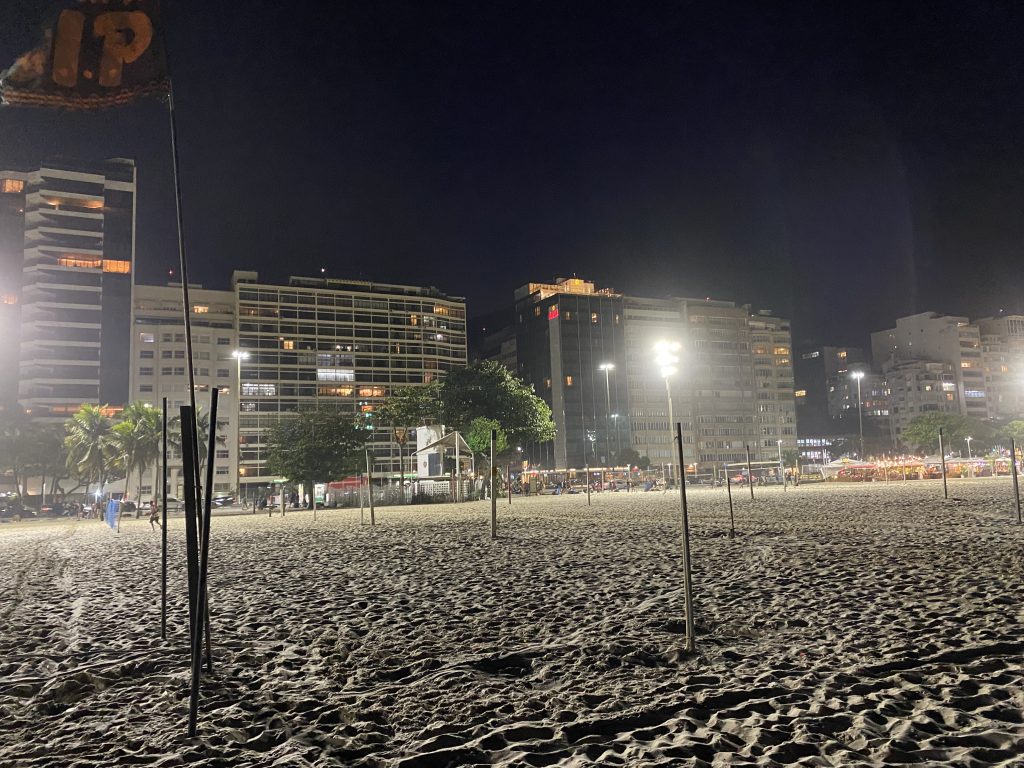
My hotel was only a few minutes from the famous Copacabana Beach, so naturally it was one of the first places I visited.
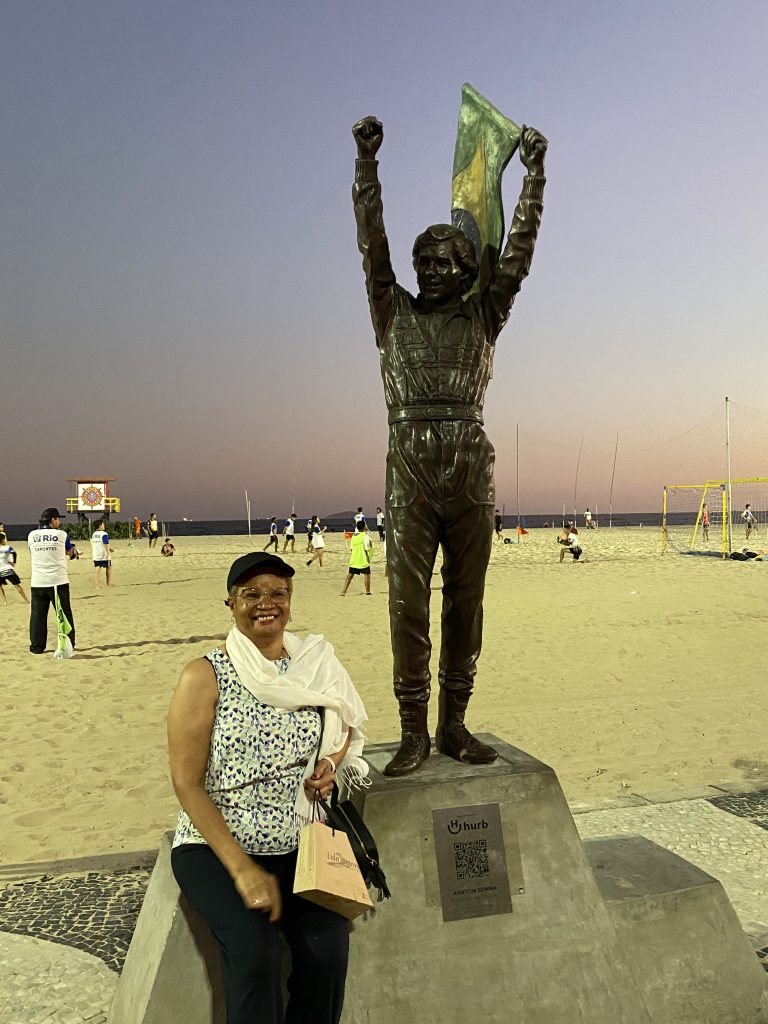
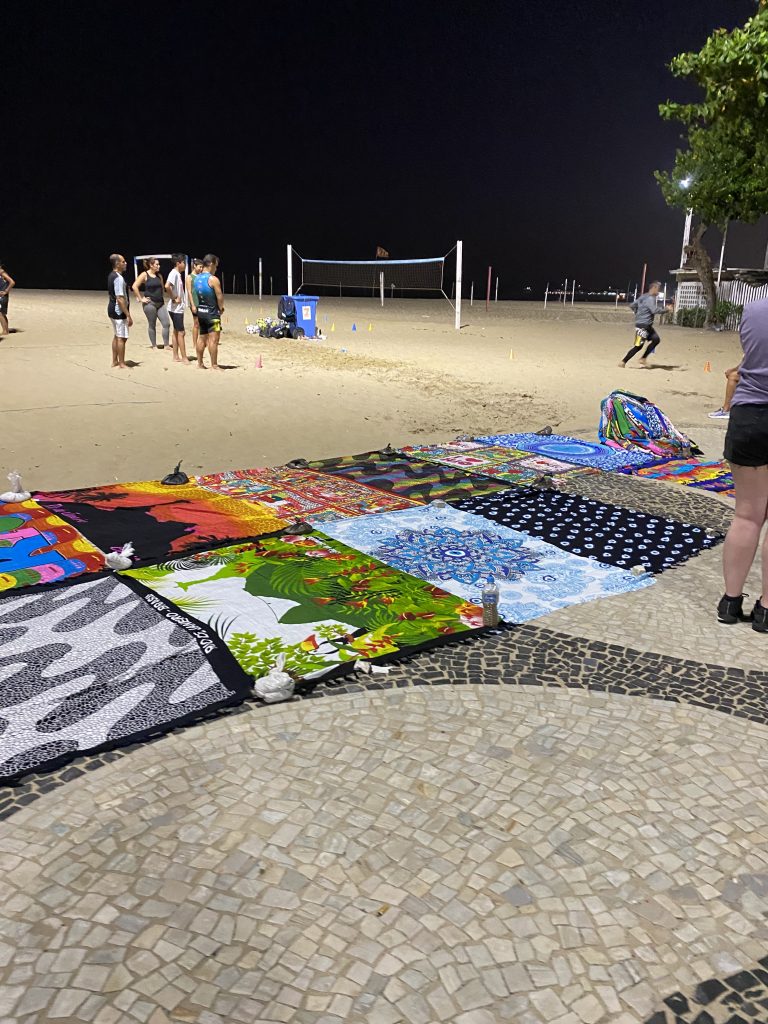
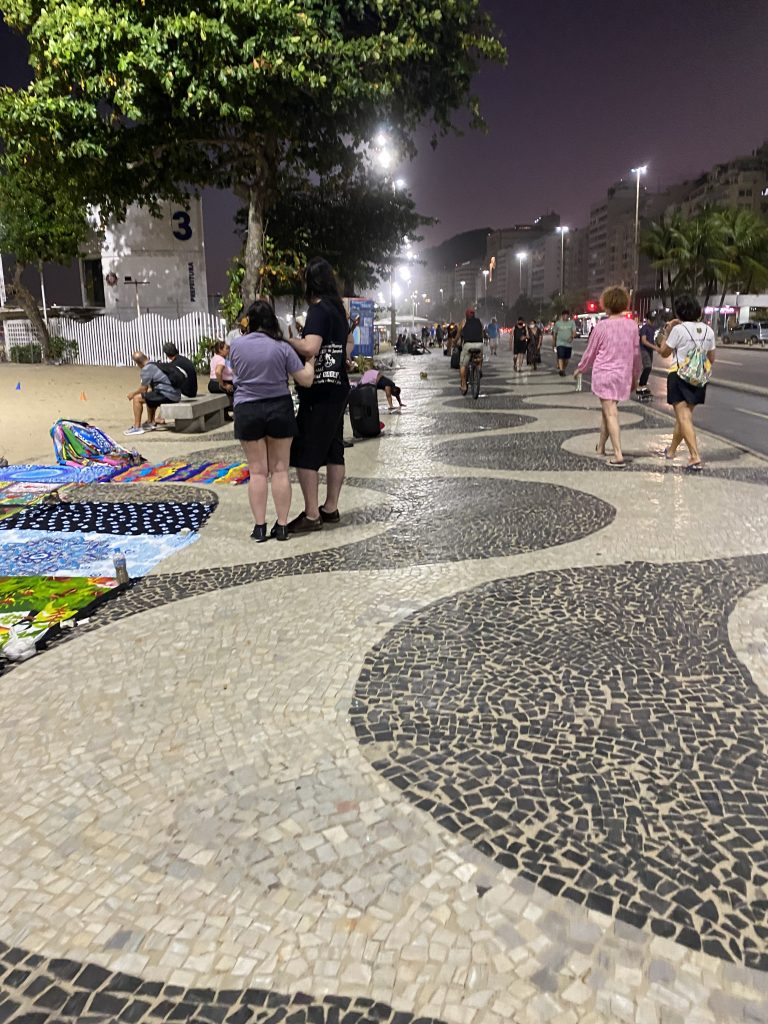
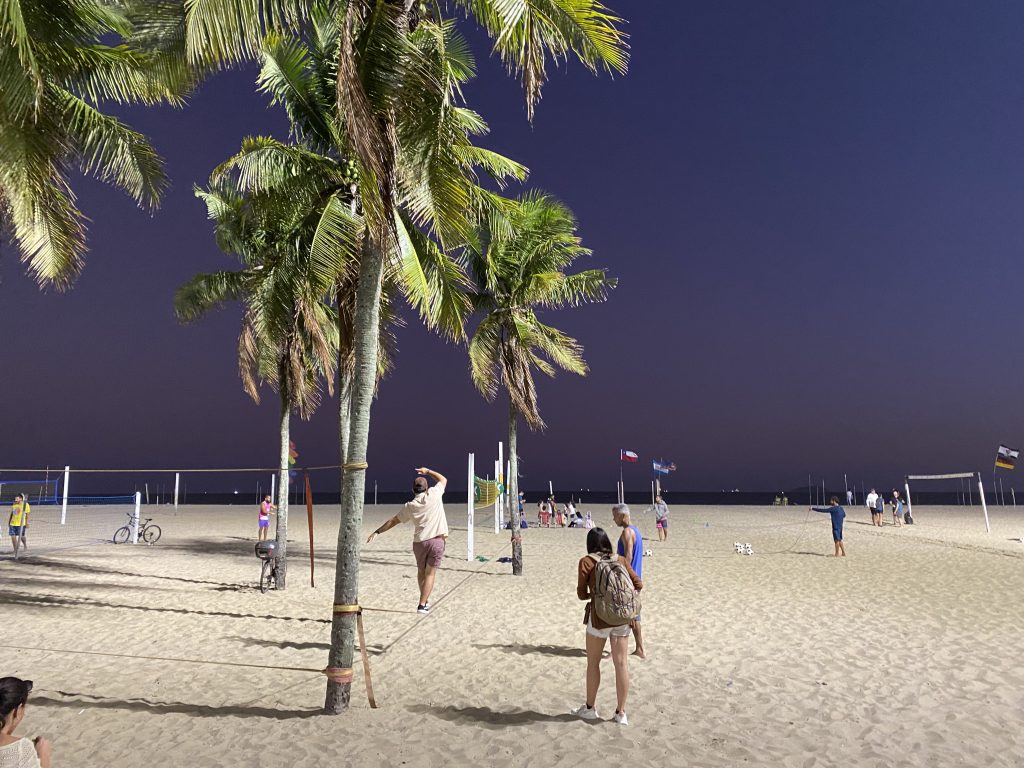
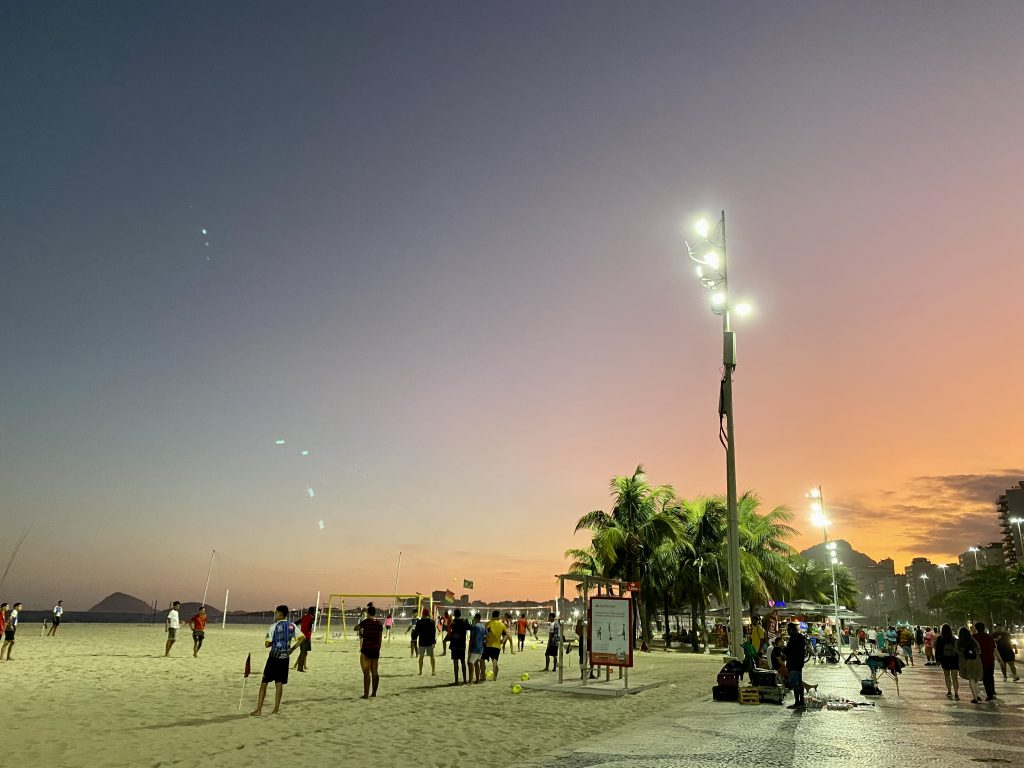
The beach was a hive of activity. There were beach vendors, football and volleyball games, restaurants, music and plenty of people simply relaxing and enjoying themselves. I visited both during the day and at night because I wanted to experience the atmosphere at different times.
I have to admit, though, that Copacabana didn’t quite have the effect on me that I had expected.
Perhaps it was because I had heard so much about it beforehand, but I didn’t really feel the special buzz that makes Copacabana one of the world’s most famous beaches.
What caught my attention instead was the distinctive black-and-white wave-patterned promenade stretching alongside the beach.
And, of course, watching the sun go down.
Sometimes the thing you remember most about a famous place isn’t necessarily the thing you went there to see.
Copacabana Beach, Rio
Copacabana Beach, Rio
Getting my bearings in Rio
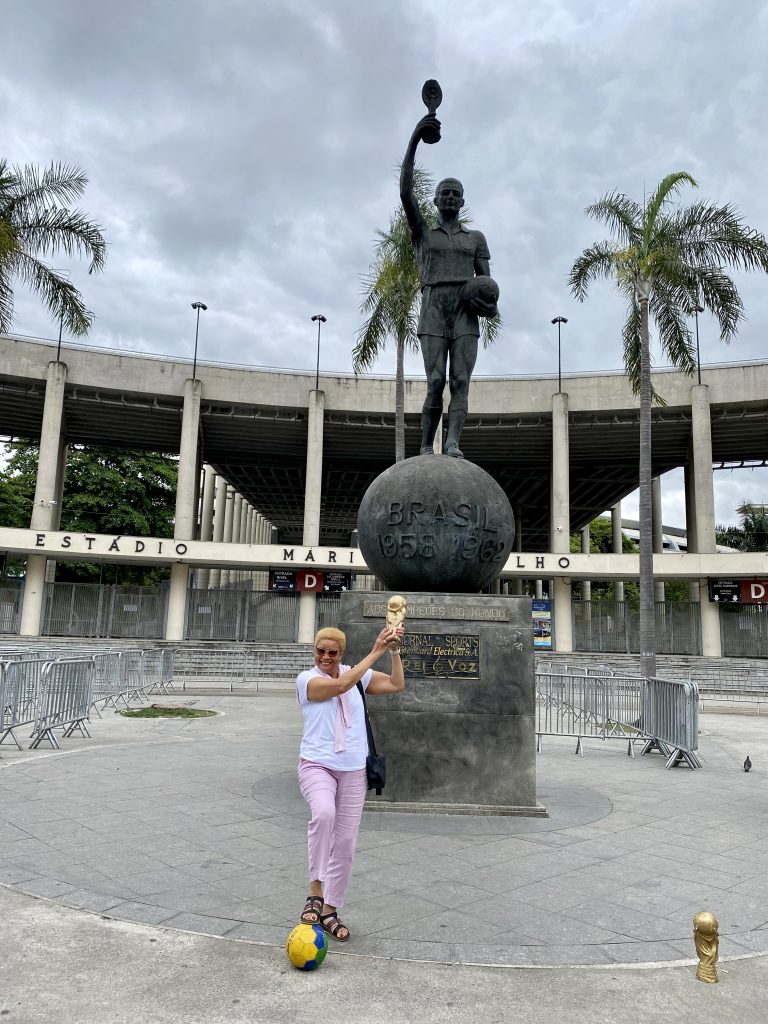
Maracana Stadium
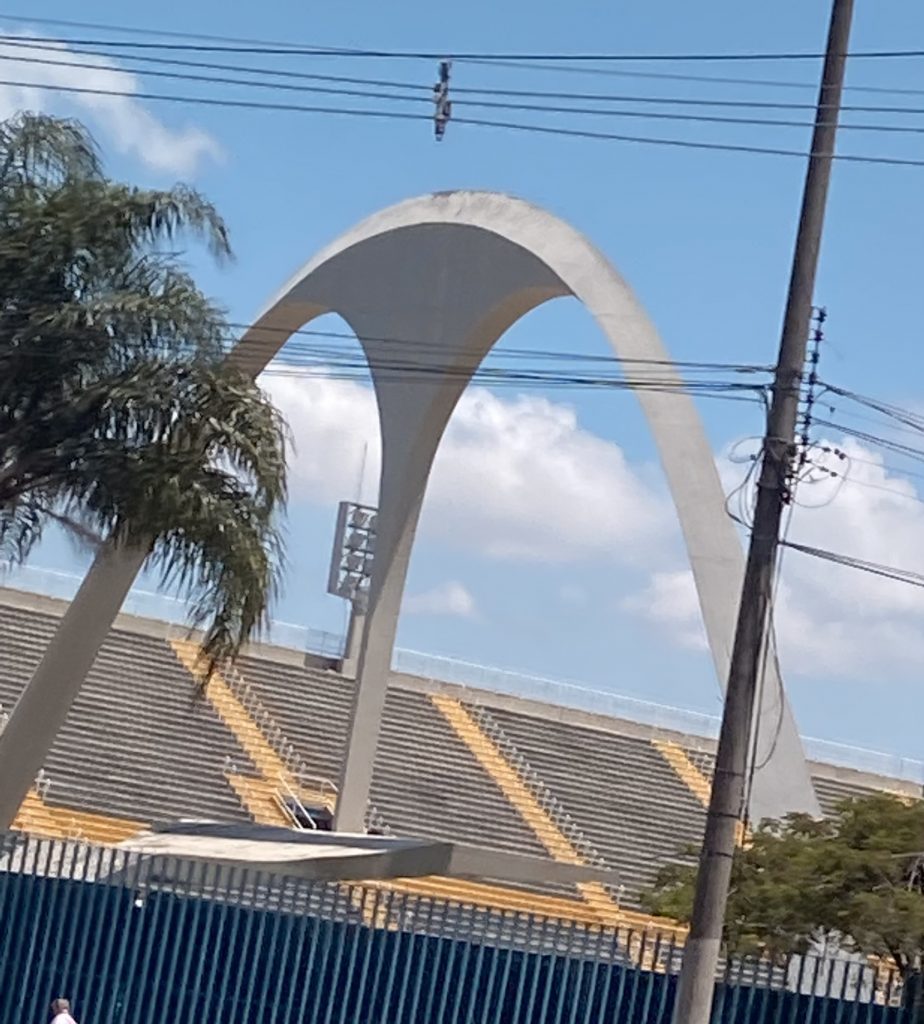
Archway to entrance of the Sambadrome Stadium, Rio
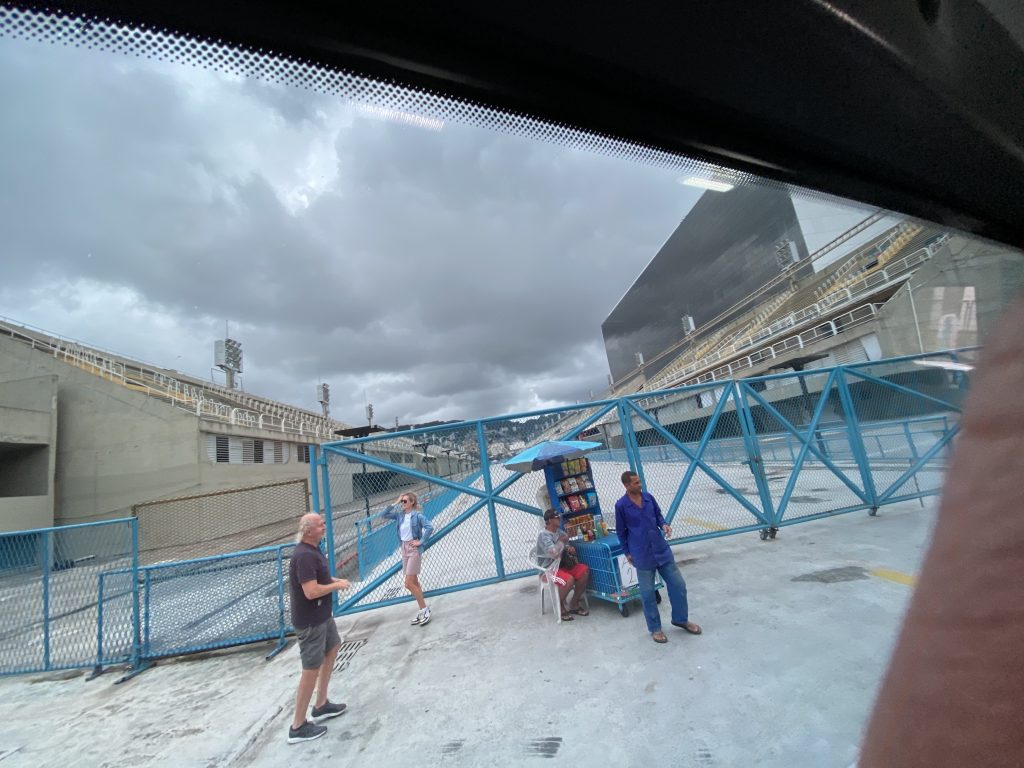
Sambadrome Stadium, Rio
One of the first things I often do when I arrive somewhere new is take a sightseeing tour. I find it a useful way of getting my bearings and discovering which places I might want to return to and explore properly on my own.
My tour of Rio included some of the city’s best-known landmarks.
We stopped at the famous Maracanã Stadium, a place with an extraordinary football history and one that has hosted some of the biggest matches in the sport.
We also visited the Sambadrome, built to host Rio’s famous Carnival parades.
There wasn’t much happening when I visited. Without the dancers, music, elaborate costumes and enormous crowds, it was difficult to imagine the spectacle. But I could certainly picture how completely different the place must look when Carnival comes to life.
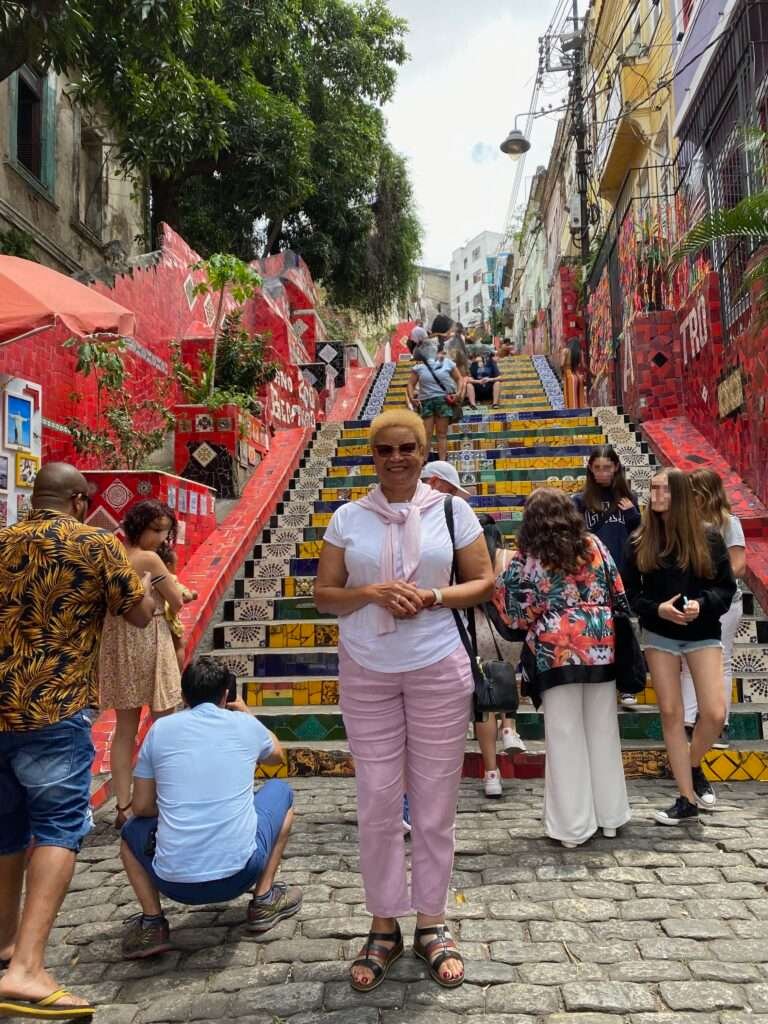
The colourful Selarón Steps
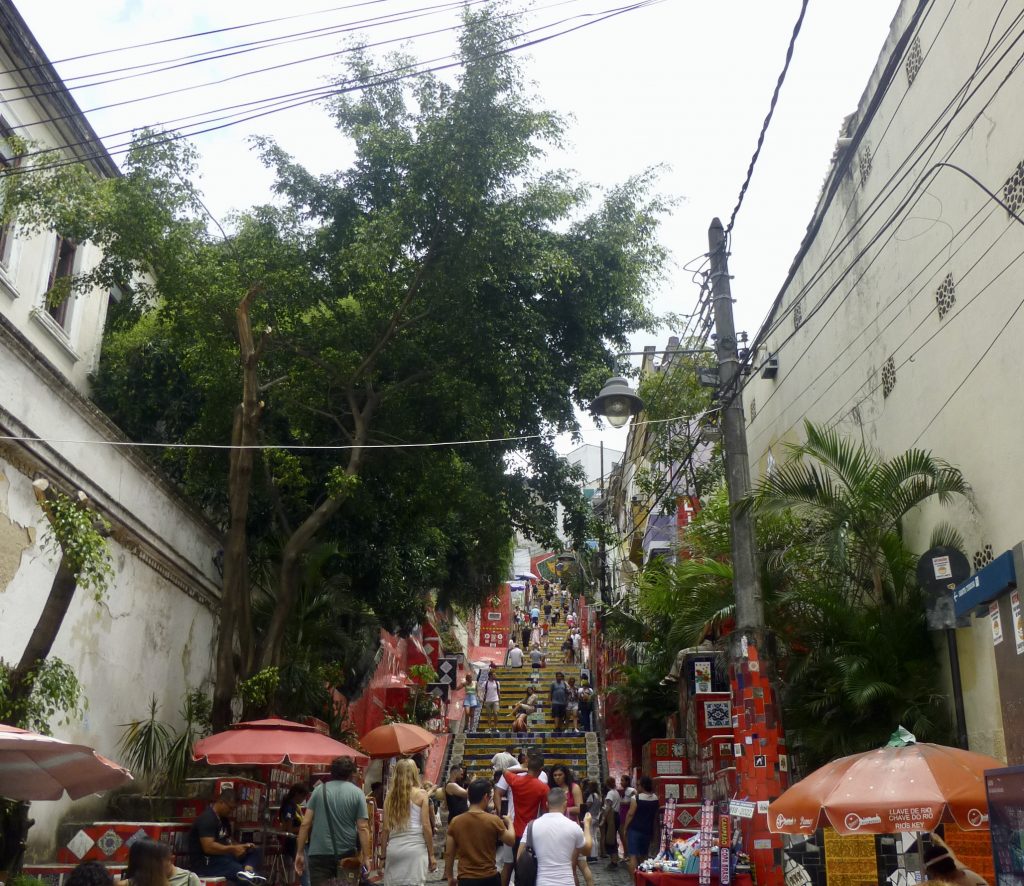
Selaron steps in the Lapa Neighburhood.
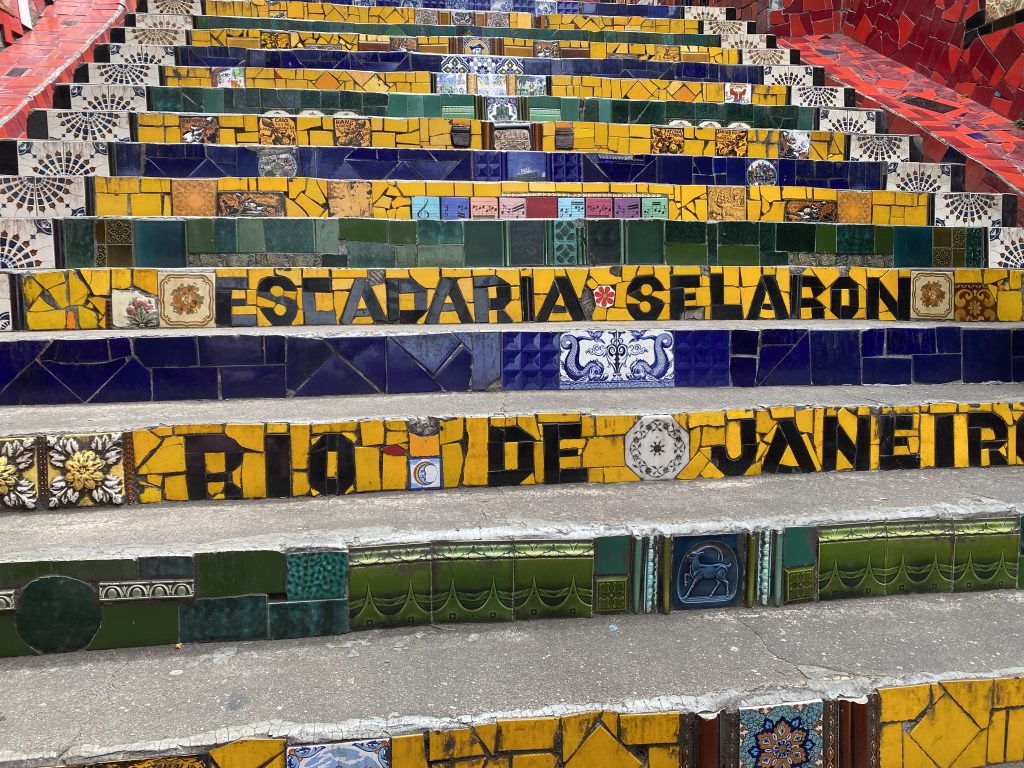
Escadaria Selaron steps
Another stop was the Escadaria Selarón, better known as the Selarón Steps, in the Lapa area.
The Chilean-born artist Jorge Selarón transformed the staircase into a huge and colourful mosaic, covering more than 200 steps with tiles from around the world.
They were certainly colourful and unusual, although I wasn’t quite as overwhelmed by them as their reputation as one of Rio’s popular attractions had led me to expect.
Our guide waited at the bottom and advised us not to wander too far beyond the main tourist area.
Needless to say, I took his advice!
What actually caught my attention most was some of the street art nearby. My favourite was a captivating image of a little Black girl painted on a wall on the street leading towards the steps. Among all the colourful street art I saw, that one stayed with me.
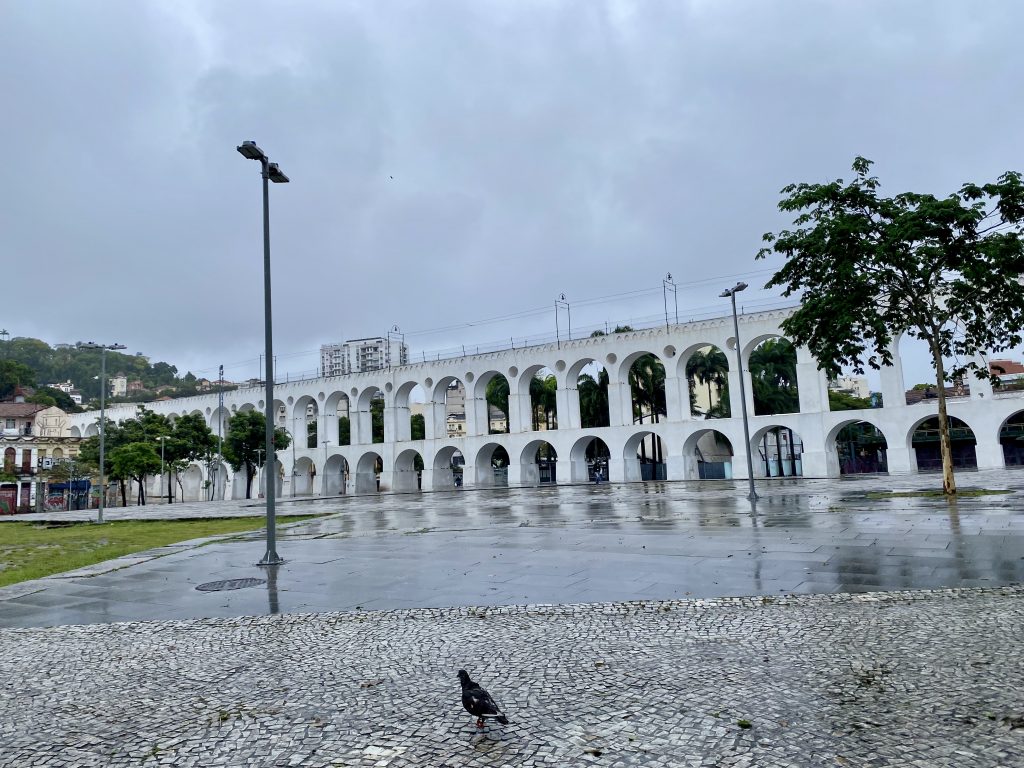
Carioca Aqueduct
Nearby was another interesting landmark, the Carioca Aqueduct. Its distinctive arches date from colonial times, when the aqueduct was constructed to carry fresh water into the city. Today it is one of the recognisable features of the Lapa neighbourhood.
And naturally, somewhere among all those colourful tiles, there had to be a mollywozhere photograph on the Selarón Steps!
Me on the Selarón Steps
Looking for a connection with Africa
There was another, much more personal reason why Brazil interested me.
Growing up in Africa, I had heard stories about historical connections between West Africa and Brazil, and I wanted to explore some of that heritage for myself.
Brazil’s history is deeply intertwined with the transatlantic slave trade, and Salvador, in the state of Bahia, has particularly strong historical and cultural connections with West Africa.
I had hoped that somehow I might be able to explore that part of Brazil during my trip.
Unfortunately, I soon realised just how unrealistic that was. Brazil is enormous, and Salvador was another flight away from Rio. I simply didn’t have enough time to include it.
So I didn’t quite achieve what I had hoped to do.
Nevertheless, I found myself noticing cultural connections in the food, music, language and art around me. Occasionally I would recognise something that reminded me of my childhood, which made this part of the journey particularly interesting to me.
It also left me thinking that perhaps Salvador deserves a trip of its own one day.
Spanish, Portuguese and the wrong currency!
Language was one of my challenges throughout this South American trip.
Spanish is the main language spoken in Argentina, while Portuguese is spoken in Brazil. Moving directly from one country to the other meant that I didn’t just mix up everyday words and phrases — I occasionally mixed up the currencies as well!
Google Translate came to my rescue more than once.
Fortunately, I managed to get by. That’s travelling for you. Sometimes you simply have to smile, point, translate and hope for the best.
And here’s one little fact that often surprises people: Rio de Janeiro isn’t the capital of Brazil. Neither is São Paulo.
It’s Brasília.
So, what did I think of Rio?
Rio was an interesting city for me because some of the places I expected to impress me most didn’t necessarily do so.
Copacabana Beach was enjoyable, but it wasn’t the unforgettable experience I had imagined. The Selarón Steps were colourful and fun, but again, they weren’t what stayed with me most.
Instead, I remember the atmosphere of being in Brazil at such an interesting time, the football fever, the street art, watching the sunset at Copacabana and looking for those small connections with Africa that meant something personally to me.
And then, of course, there was Christ the Redeemer.
Standing high above Rio on Corcovado Mountain and finally seeing this world-famous monument for myself was one of the reasons I had travelled all that way. You can read the full story of my visit in Christ the Redeemer – One of the Seven Wonders of the World.
But my South American journey wasn’t finished yet.
The experience that eventually surpassed everything else was waiting for me on the border between Brazil and Argentina: Iguazú Falls.
That really was unforgettable.
Have you visited Rio de Janeiro? Did its famous sights live up to your expectations, or did something completely unexpected become your favourite memory?